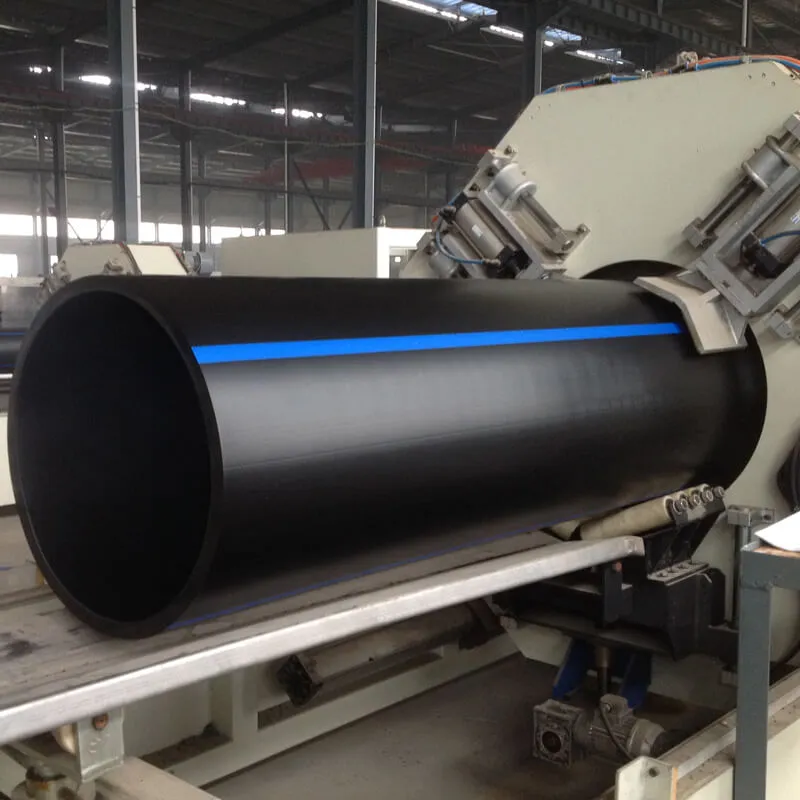
Pivotal Role
The world of water scarcity is undergoing a transformative shift, and at its forefront stands the remarkable journey of large-diameter High-Density Polyethylene (HDPE) water pipes. In the realm of desalination plants, where innovation meets necessity, these unassuming conduits are playing a pivotal role in revolutionizing the very landscape of water procurement.
Desalination plants, rising as oases in arid landscapes, are the answer to the growing global demand for freshwater. As traditional water sources dwindle under the weight of population growth and climate change, the ability to harness the vast oceans as a reliable reservoir becomes a game-changer. Yet, this feat comes with an intricate set of challenges that demand equally innovative solutions.
Enter large-diameter HDPE water pipes, the unsung heroes of the desalination story. Their impact, though subtle, is monumental, unraveling a new era in water infrastructure:
1. Corrosion Conquerors
Desalination plants operate in the harshest of environments – the sea's corrosive embrace. Standard materials succumb to the relentless assault of saltwater, but not HDPE pipes. Their innate resistance to corrosion ensures longevity and steadfastness in the face of nature's fury.
2. Efficiency Architects
The heart of a desalination plant throbs with a rhythm of efficiency. Here, HDPE pipes choreograph water's journey with grace. Their smooth inner surface minimizes friction, optimizing the flow that propels the entire process. This not only enhances treatment but also saves energy.
3. Resilient Pioneers
As the conduits of life, these pipes display remarkable adaptability. They flex to accommodate ground movements, withstand pressure differentials, and brave the tides with unwavering resilience. This adaptability is a cornerstone of their transformative role.
4. Construction Catalysts
Building desalination plants demands efficiency in every facet. HDPE pipes, known for their lightweight nature, simplify installation, cutting costs, and reducing project timelines. Their modularity supports scalability, essential as demand for freshwater surges.
5. Eco-Sensitive Infrastructure
Sustainability is paramount, and HDPE pipes align seamlessly. They are recyclable, minimizing the environmental footprint of desalination endeavors, an important consideration in a world moving towards greener solutions.
6. End-to-End Solution
From seawater intake and brine disposal to freshwater distribution, HDPE pipes form an unbroken chain, a testament to their versatility. These pipes are the silent architects of the complete desalination cycle.
As desalination plants rise to meet the formidable challenge of water scarcity, large-diameter HDPE water pipes stand as the linchpin of this transformative endeavor. Their unyielding resistance to corrosion, adaptability to challenging conditions, and facilitation of efficient water flow breathe life into the desalination process. In revolutionizing the landscape of desalination plants, these pipes illuminate a path toward a water-secure future, where innovation and necessity intersect to quench the world's thirst.
More about large-diameter hdpe water pipe
Large-diameter High-Density Polyethylene (HDPE) water pipes represent a technological marvel that has significantly transformed various industries, particularly in water management and infrastructure development. These pipes, characterized by their impressive size, durability, and versatility, have found their way into a multitude of applications due to their unique properties and benefits. Let's explore more about these pipes and their impact:
Size and Characteristics
1. Large Diameter
What sets these pipes apart is their substantial diameter, making them suitable for applications requiring the transportation of significant volumes of water. These diameters can range from several inches to several feet, depending on the specific application and project requirements.
2. Material Composition
HDPE, the material of choice for these pipes, is a thermoplastic polymer known for its high strength-to-density ratio. It offers remarkable flexibility and impact resistance, making it ideal for applications demanding durability.
3. Corrosion Resistance
One of the most significant advantages of HDPE pipes is their resistance to corrosion. Unlike traditional metal pipes, HDPE pipes do not rust or corrode, even in harsh environments, which is crucial for applications involving water and chemical transportation.
Applications
1. Water Supply and Distribution
Large-diameter HDPE water pipes are extensively used in municipal water supply systems. They efficiently transport potable water from treatment plants to distribution networks, ensuring a steady and clean water supply to communities.
2. Sewer Systems
In wastewater management, these pipes play a vital role in transporting sewage and other effluents to treatment facilities. Their corrosion resistance and smooth interior surface prevent clogs and minimize maintenance needs.
3. Stormwater Management
For managing excess rainwater, HDPE pipes are employed in stormwater drainage systems. Their durability and capacity to handle large volumes of water make them essential in preventing flooding.
4. Industrial Applications
Industries rely on large-diameter HDPE water pipes to transport various liquids, chemicals, and industrial wastewater. Their resistance to chemicals and corrosion makes them suitable for a wide range of industrial processes.
5. Mining and Agriculture
These pipes serve as conduits for transporting water and other fluids in mining operations and agricultural irrigation systems. Their robustness and resistance to abrasion are crucial in these demanding environments.
6. Renewable Energy
In renewable energy projects, such as hydropower plants, HDPE pipes are used for water conveyance and management, ensuring efficient energy generation and distribution.
Installation and Advantages
1. Ease of Installation
Large-diameter HDPE water pipes are lightweight compared to traditional materials like concrete or metal, making them easier to transport and install. This can lead to cost savings and shorter project completion times.
2. Leak-Free Joints
Fusion welding is often used to join HDPE pipes, creating seamless and leak-free connections. This ensures the integrity of the pipeline and prevents water loss.
3. Longevity
HDPE pipes have a service life of decades due to their resistance to corrosion, chemical degradation, and weathering. This longevity reduces the need for frequent replacements, contributing to sustainability.
In essence, large-diameter HDPE water pipes have emerged as a cornerstone of modern infrastructure, enabling the efficient and sustainable management of water resources across various sectors. Their combination of size, durability, corrosion resistance, and ease of installation positions them as a versatile solution in a world increasingly focused on water scarcity and environmental conservation.
In the realm of desalination plants, large-diameter HDPE water pipes stand as silent but indispensable champions. Their corrosion resistance, efficiency, adaptability, and eco-friendliness have redefined the landscape of water sourcing and treatment. As the world grapples with water scarcity, these unassuming conduits continue to play a vital role in ensuring a sustainable and secure freshwater future for all.
FAQ:
Q1: Can you explain the process of installing large-diameter HDPE water pipes in desalination facilities?
Certainly! Installing large-diameter HDPE water pipes in desalination facilities involves a series of steps to ensure proper placement, connection, and functionality. Here's an overview of the process:
A: 1. Site Preparation 2. Pipe Delivery and Storage 3. Trench Excavation 4. Bedding and Padding 5. Pipe Installation 6. Backfilling 7. Compaction 8. Testing and Inspection 9. Surface Restoration 10. Post-Installation Checks
Q2: Can you provide examples of real-world desalination plant projects that have successfully integrated large-diameter HDPE water pipes?
A: Certainly, here are a few examples of real-world desalination plant projects that have effectively utilized large-diameter HDPE water pipes in their infrastructure:
1. Tampa Bay Seawater Desalination Plant, USA 2. Sorek Desalination Plant, Israel 3. Perth Seawater Desalination Plant, Australia 4. Hadera Desalination Plant, Israel 5. Tuas Desalination Plant, Singapore
Q3: What considerations should be taken into account when selecting the appropriate diameter of HDPE water pipes for specific desalination projects?
A: Selecting the appropriate diameter of High-Density Polyethylene (HDPE) water pipes for desalination projects involves careful consideration of various factors to ensure efficient water transportation, distribution, and overall system performance. Here are the key considerations to keep in mind:
1. Flow Rate and Capacity 2. Intake and Outfall Systems 3. Distribution Network 4. Pressure Requirements 5. Future Expansion 6. Hydraulic Analysis 7. Site Conditions 8. Regulatory Requirements
9. Cost Considerations 10. Material Properties 11. Construction Timeline 12. Environmental Impact
Q4: Are there any specific case studies that highlight the successful application of large-diameter HDPE water pipes in desalination plant projects?
A: 1. Carlsbad Desalination Plant, USA 2. Ashkelon Desalination Plant, Israel 3. Hadera Desalination Plant, Israel

916.webp)
204.webp)
659.webp)
185.webp)
312.webp)
849.webp)
587.webp)
767.webp)