What is PVC Drainage Pipe?
PVC drainage pipes are an essential component in modern plumbing and drainage systems, widely used in both residential and commercial applications. These pipes are made from Polyvinyl Chloride (PVC), a versatile and durable material that offers a range of benefits for draining wastewater, rainwater, and sewage. Let's explore the material properties, characteristics, and common applications of PVC drainage pipes.
Material Characteristics of PVC Drainage Pipe
1. Lightweight: PVC is significantly lighter than metal or concrete, making it easier to handle and install. This feature reduces labor costs and transportation expenses, while also allowing for more straightforward maintenance and repairs.
2. Corrosion Resistance: One of the standout features of PVC is its excellent resistance to corrosion. Unlike metal pipes, which can rust or degrade over time when exposed to moisture, PVC pipes remain unaffected by most chemicals, acids, and salts typically found in wastewater. This property ensures a long lifespan, even in harsh environmental conditions.
3. Cost-Effective: PVC drainage pipes are known for being highly affordable, making them a cost-effective solution for both new installations and repairs. Their long-term durability also adds to their value by minimizing the need for frequent replacements.
4. Smooth Inner Surface: The smooth interior of PVC pipes allows for a consistent and efficient flow of water, reducing the risk of blockages and buildup. This smoothness also makes the pipes easier to clean and maintain.
5. Non-Toxic and Safe: PVC is non-toxic, making it a safe choice for drainage systems that may be used in areas where health and safety are critical, such as food production or healthcare facilities.
6. Durability and Longevity: PVC pipes are designed to last for decades. With proper installation and maintenance, they can withstand the wear and tear of daily use and remain functional throughout their expected service life.
Common Applications of PVC Drainage Pipes
PVC drainage pipes are primarily used in systems that require the management and transport of wastewater, stormwater, and other liquid waste. These pipes are ideal for a variety of applications, including:
1. Residential Plumbing: PVC pipes are commonly used for household drainage systems, including indoor waste lines, downspouts, and sewer connections. Their affordability and ease of installation make them a top choice for homeowners and plumbers.
2. Commercial Drainage Systems: For businesses such as restaurants, offices, and shopping malls, PVC drainage pipes provide reliable wastewater management solutions. They are used for internal drainage, stormwater drainage, and even industrial waste lines.
3. Underground Drainage: PVC pipes are highly suitable for underground installations due to their resistance to corrosion. They are often used in stormwater drainage systems, where they safely transport rainwater from streets, parking lots, and other areas to prevent flooding.
4. Agricultural Drainage: PVC pipes are also widely used in agricultural drainage systems, helping to manage water runoff in fields, gardens, and farms. Their durability and cost-effectiveness make them a popular option for farmers and landscapers.
5. Sewage and Wastewater Systems: In large-scale municipal sewer systems, PVC pipes provide an efficient and long-lasting solution for transporting sewage and wastewater. They are often used in both primary and secondary waste lines to ensure proper water treatment and disposal.
Advantages of PVC Over Other Materials
When compared to other common piping materials such as metal or concrete, PVC offers several significant advantages:
1. Lightweight vs. Heavy Materials: Unlike metal pipes, which are often heavy and cumbersome, PVC pipes are much lighter, reducing transportation and handling challenges. This makes installation faster and more affordable.
2. Corrosion Resistance: Metal pipes are prone to rusting over time, especially when exposed to moisture or certain chemicals. Concrete pipes can crack and degrade, which is a costly and dangerous risk. PVC pipes, on the other hand, maintain their structural integrity and performance for many years.
3. Lower Installation Costs: PVC pipes do not require special welding, brazing, or complex joining techniques like metal pipes. They are typically joined using simple solvent cement, which reduces installation time and labor costs.
4. Long-Term Durability: While concrete pipes may suffer from cracking and degradation under certain conditions, PVC pipes are incredibly durable and can withstand pressure, impact, and even extreme weather conditions. This longevity makes PVC pipes a reliable solution for both short-term and long-term drainage needs.
5. Non-Reactive: Unlike concrete or metal, PVC does not react with water or chemicals, ensuring the flow remains uninterrupted and the pipes do not deteriorate over time. This quality makes PVC an ideal material for systems that handle aggressive or waste-laden water.
4 Inch Sewer Pipe Fittings
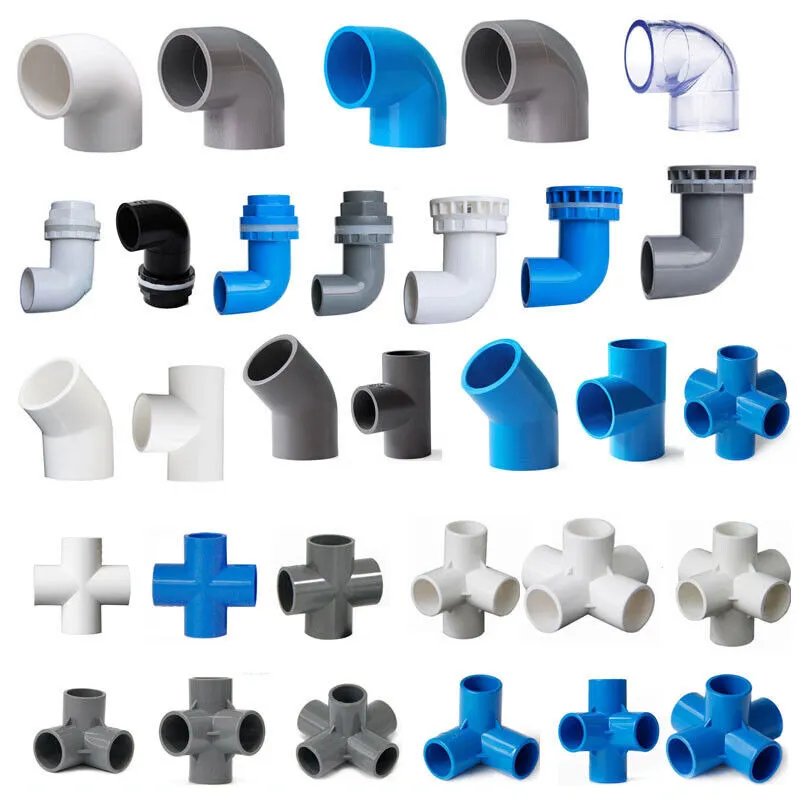
4 inch sewer pipe fittings are essential components in drainage and sewage systems, designed to ensure smooth flow direction, secure connections, and efficient system layout. When paired with 4 inch PVC drainage pipe, they form a reliable solution for both residential and commercial waste management.
Common Types of Fittings
Elbows (usually 90° or 45°): Allow the pipeline to change direction smoothly.
Tees: Create branch lines for multi-directional flow.
Couplings: Join two pipes in a straight line.
Adapters: Connect pipes of different materials or sizes.
These fittings are manufactured to match the dimensions of 4 inch PVC pipes, ensuring easy installation and secure joints.
Installation Methods
The most common installation technique for PVC sewer fittings is solvent cementing. This method uses a special PVC solvent that softens the pipe and fitting surfaces to fuse them into a single, leak-proof unit. Proper application ensures long-term durability.
Applications of 4 Inch Drain Pipe Fittings
Underground sewer pipe connections: Used in domestic and municipal sewage pipelines.
Rainwater drainage systems: Channeling stormwater from roofs and roads.
Floor drainage setups: Found in basements, commercial kitchens, and garages.
These fittings are versatile and engineered to handle gravity-flow drainage efficiently.
Installation Tips & Standards
Always check fitting dimensions to ensure proper match with the pipes.
Clean bonding surfaces before applying solvent cement to prevent weak joints.
Avoid excessive force during installation, which can cause cracks or misalignment.
Following proper standards not only extends the life of the drainage system but also prevents future leakage and maintenance issues.
FAQ
Q1: What is the standard size of a 4 inch PVC drainage pipe in millimeters?
A1: A 4 inch PVC pipe typically has an outer diameter of around 110mm, depending on the standard used (e.g., ASTM or ISO). Always confirm with your local standard or supplier.
Q2: Can I use 4 inch sewer pipe fittings with other pipe materials like HDPE or cast iron?
A2: Generally, PVC fittings are designed for PVC pipes. To connect with other materials like HDPE or cast iron, you’ll need transition fittings or rubber couplings specifically made for that purpose.
Q3: What is the best method to connect 4 inch PVC pipe fittings?
A3: Solvent cementing is the most reliable method for joining 4 inch PVC fittings. It creates a permanent, watertight bond. Ensure the pipe and fitting surfaces are clean and dry before application.
Q4: Are these fittings suitable for underground use?
A4: Yes, most 4 inch PVC sewer fittings are designed for underground drainage applications, provided they meet the appropriate pressure and load-bearing standards.
Q5: What is the temperature range for PVC drainage systems?
A5: PVC drainage systems typically operate well in temperatures between 0°C to 60°C (32°F to 140°F). Avoid exposure to boiling water or direct flame.
Q6: Can these fittings be reused after disconnection?
A6: No. Once PVC fittings are bonded using solvent cement, they form a permanent connection and cannot be reused. Cutting and reinstallation with new fittings is required.
Q7: Do I need primer before using solvent cement?
A7: In many cases, PVC primer is recommended to clean and soften the pipe surface before cementing, especially for pressure or critical joints. Check with your adhesive manufacturer.
916.webp)
204.webp)
659.webp)
185.webp)
312.webp)
849.webp)
587.webp)
767.webp)