In municipal infrastructure projects, ensuring the integrity of drainage systems is critical for environmental protection, public health, and long-term operational reliability. One of the most essential quality control methods is the water tightness test, also known as the closed water test.
This test is designed to evaluate whether a sewer or drainage pipeline can effectively prevent leakage under specified conditions. A properly conducted water tightness test not only ensures compliance with engineering standards but also reduces the risk of groundwater contamination and costly repairs in the future.
What is a Water Tightness Test in Municipal Drainage?
A water tightness test is a procedure used to verify the sealing performance of a pipeline system. It is commonly applied in municipal drainage projects, including:
Sewer pipelines
Stormwater drainage systems
Underground wastewater networks
The test involves sealing a section of the pipeline, filling it with water, and monitoring any loss of water over a specified period.
This method is widely used for different pipe materials, including:
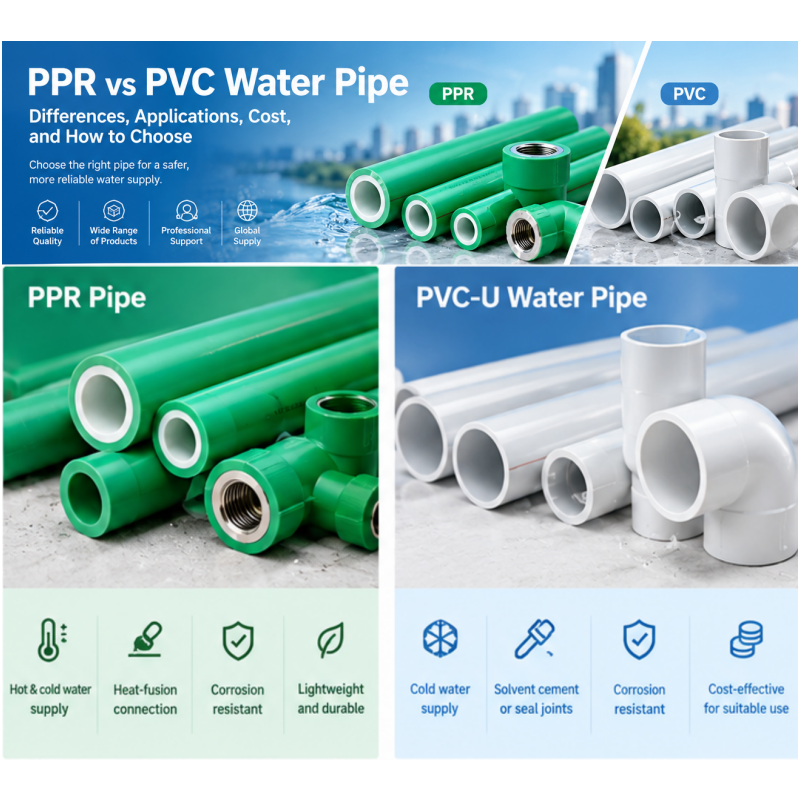
PVC drainage pipe
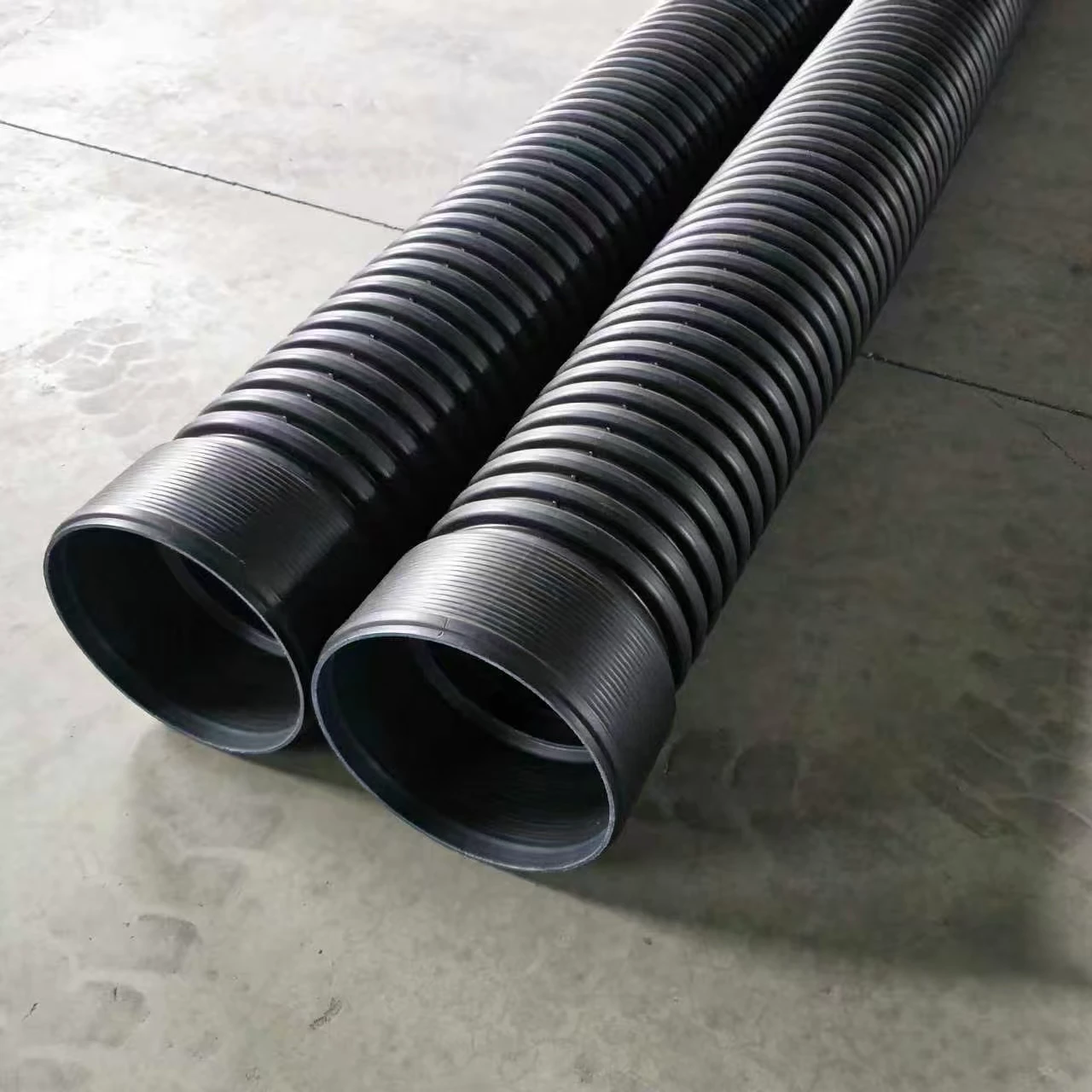
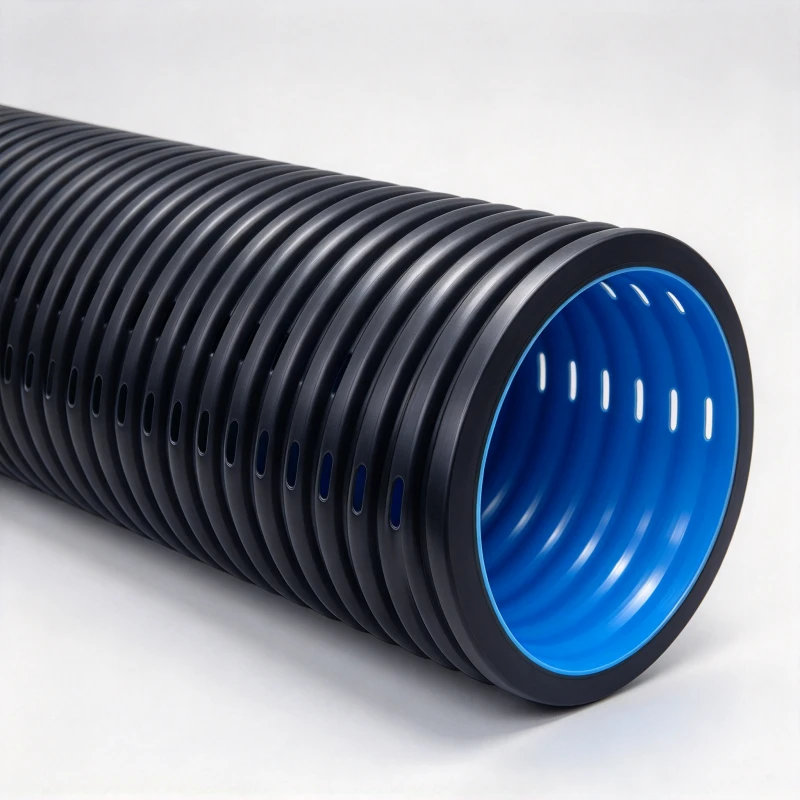
double wall corrugated pipe (DWC pipe)
concrete pipes
Compared with other inspection methods, such as air testing, the water tightness test provides more intuitive and reliable results.
Standards and Requirements for Water Tightness Testing
Although specific standards vary by country and project, most municipal drainage systems follow similar principles.
Key requirements include:
Test water head height: Usually determined based on pipe diameter and project specifications
Test duration: Typically ranges from 30 minutes to several hours
Allowable leakage: Defined according to pipe material and diameter
Inspection conditions: The pipeline must be fully installed and stabilized
International engineering practices emphasize:
No visible leakage at joints
Controlled and minimal water level drop
Accurate measurement and documentation
Compliance with these requirements is essential for project acceptance.
Preparation Before the Test
Proper preparation is crucial to ensure accurate and reliable results.
1. Pipeline Inspection
Before testing, the pipeline should be checked for:
correct installation
alignment and slope
joint integrity
2. Cleaning the Pipeline
Remove debris, sand, or construction waste to prevent interference with test results.
3. Sealing the Pipe Ends
Use reliable sealing devices such as:
rubber test plugs
mechanical stoppers
High-quality pipe fittings and sealing accessories can significantly improve test accuracy.
4. Equipment Preparation
Ensure the availability of:
water supply system
measuring tools
pressure monitoring devices
Step-by-Step Water Tightness Test Procedure
Step 1: Seal the Pipeline Section
Select a test section and securely seal both ends to prevent water leakage.
Step 2: Fill the Pipeline with Water
Slowly fill the pipe with water until it reaches the required test level.
Step 3: Soaking Period
Allow the pipeline to soak for a period of time so that the material absorbs water and stabilizes.
Step 4: Start the Test
Begin measuring the water level after stabilization.
Step 5: Monitor Water Loss
Record the water level over time and calculate any loss.
Step 6: Evaluate Results
Compare the measured water loss with allowable limits to determine if the pipeline passes the test.
Acceptance Criteria
The acceptance of a water tightness test is based on specific criteria:
The water level drop must not exceed the allowable value
No visible leakage at pipe joints or connections
The pipeline structure must remain stable
If the results meet these conditions, the pipeline is considered qualified for operation.
Common Problems and Solutions
1. Leakage at Joints
Cause: Poor installation or low-quality fittings
Solution: Re-install or replace fittings, especially electrofusion joints in HDPE pipe systems
2. Pipe Deformation
Cause: Improper backfilling or external pressure
Solution: Reinforce bedding and ensure proper compaction
3. Inadequate Sealing
Cause: Poor sealing equipment
Solution: Use high-quality sealing tools and accessories
4. Material Defects
Cause: Low-quality pipes
Solution: Choose certified HDPE pipe or PVC pipe suppliers
Why Pipe Quality Matters in Water Tightness Tests
The performance of a water tightness test is highly dependent on pipe quality.
HDPE Pipes
Excellent flexibility
Strong joint sealing (especially with electrofusion fittings)
High resistance to cracking
PVC Pipes
Smooth inner surface
Good chemical resistance
Cost-effective solution
DWC Pipes (Double Wall Corrugated Pipes)
High ring stiffness
Lightweight and easy installation
Widely used in municipal drainage systems
Using high-quality HDPE sewer pipe, PVC drainage pipe, and DWC pipe can significantly reduce leakage risks and improve project success rates.
Recommended Pipe Solutions for Municipal Drainage
For modern drainage systems, the following solutions are widely recommended:
HDPE sewer pipe for long-distance underground drainage
double wall corrugated pipe (DWC pipe) for large-scale municipal projects
PVC drainage pipe for cost-sensitive applications
In addition, reliable pipe fittings and connection systems are essential to ensure overall system integrity.
The water tightness test is a critical step in municipal drainage engineering. By following standardized procedures, ensuring proper preparation, and using high-quality materials, engineers can effectively prevent leakage and guarantee long-term system performance.
Choosing reliable pipeline solutions such as HDPE pipe, PVC pipe, and DWC pipe not only improves testing outcomes but also enhances the durability and safety of the entire drainage network.
916.webp)
204.webp)
659.webp)
185.webp)
312.webp)
849.webp)
587.webp)
767.webp)