241.webp)
344.webp)
123.webp)
382.webp)
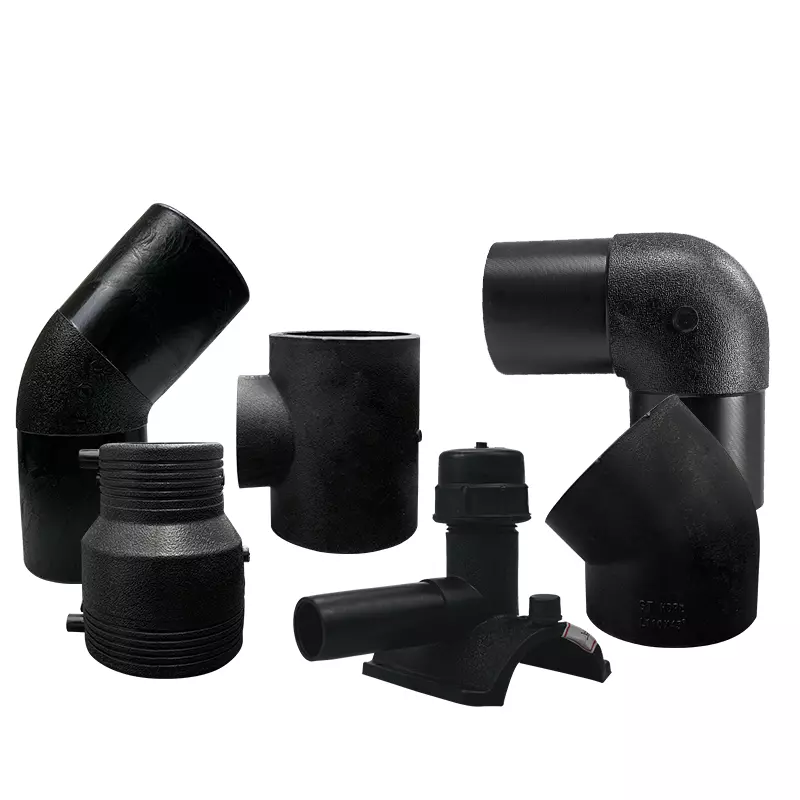
Polyethylene (PE) piping systems have become the preferred solution for potable water, natural gas, irrigation, mining, wastewater, industrial processing, and infrastructure projects due to their excellent durability, corrosion resistance, flexibility, and leak-free performance. While elbows, tees, reducers, and couplings are commonly used to connect pipelines, another equally important fitting is the PE Butt Socket Fusion End Cap.
A PE end cap is designed to permanently or temporarily seal the end of a polyethylene pipeline. When installed using butt fusion or socket fusion technology, the fitting creates a strong, homogeneous joint that is as durable as the pipe itself. This eliminates leakage risks and minimizes long-term maintenance compared with threaded or mechanical sealing methods.
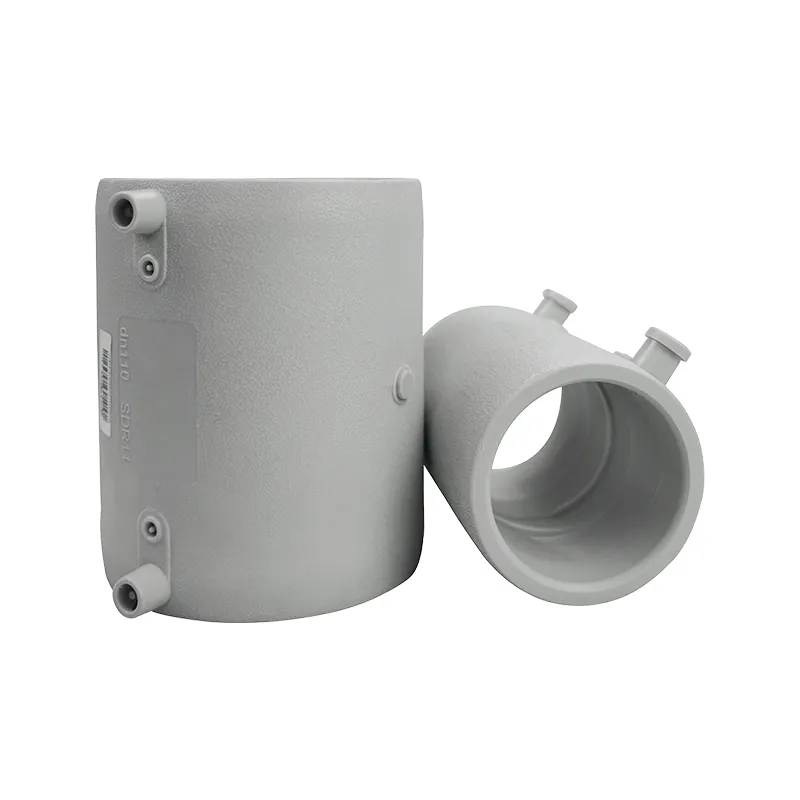
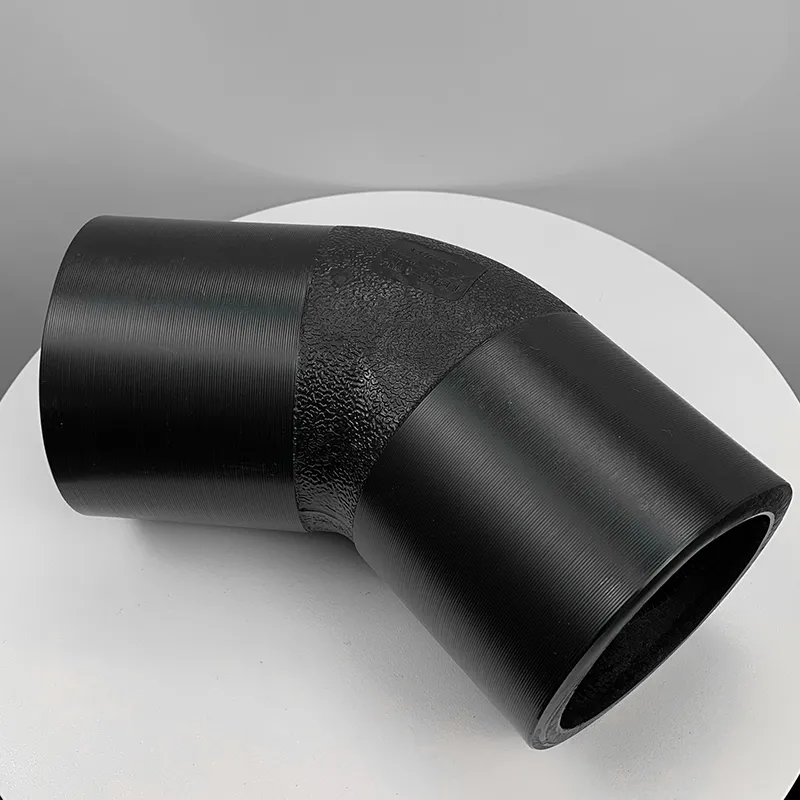
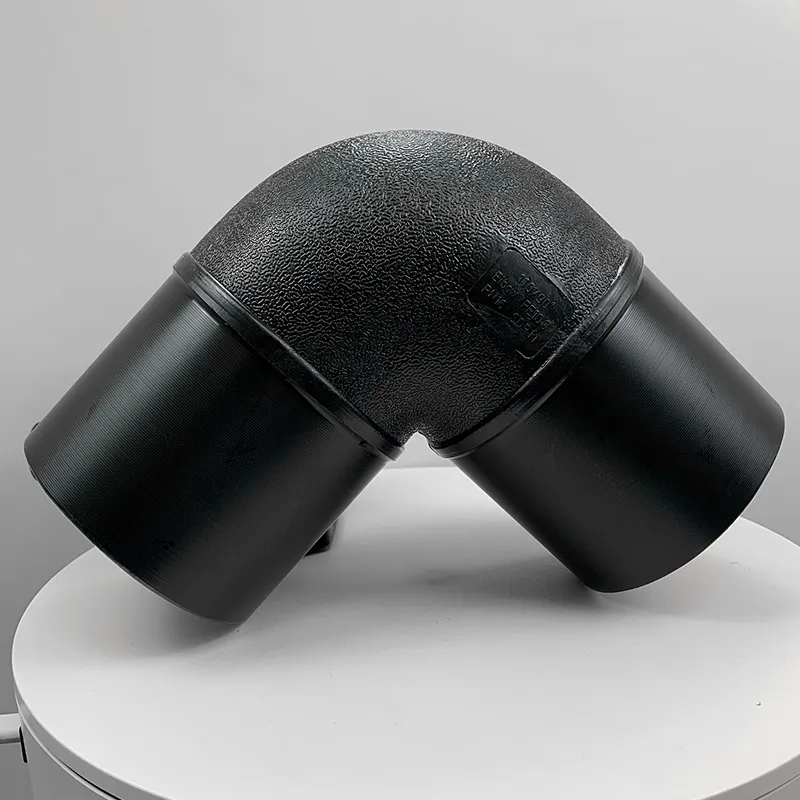
This comprehensive guide explains everything about PE Butt Socket Fusion End Caps, including product specifications, manufacturing process, working principles, installation methods, applications, advantages, and comparisons with alternative pipe end sealing solutions.
What Is a PE Butt Socket Fusion End Cap?
A PE Butt Socket Fusion End Cap is a polyethylene fitting used to close the open end of an HDPE or PE pipeline. It is manufactured from PE100 or PE80 resin and designed for permanent fusion welding to create a pressure-resistant seal.
Depending on the pipe diameter and installation method, end caps can be connected by:
Butt fusion
Socket fusion
Electrofusion (special models)
Unlike threaded caps or mechanical plugs, a fusion end cap becomes an integral part of the piping system after welding.
Typical applications include:
Water supply systems
Natural gas pipelines
Agricultural irrigation
Mining pipelines
Chemical processing
Industrial water treatment
Fire protection systems
Temporary pipeline expansion projects
Available Sizes
PE butt and socket fusion end caps are available in a wide range of sizes.
Socket Fusion Sizes
20 mm
25 mm
32 mm
40 mm
50 mm
63 mm
75 mm
90 mm
110 mm
Butt Fusion Sizes
90 mm
110 mm
125 mm
160 mm
200 mm
250 mm
315 mm
400 mm
500 mm
630 mm
Up to 1200 mm and larger for custom projects
Manufacturers can also produce customized dimensions for special engineering requirements.
Material Specifications
Premium PE end caps are manufactured using:
PE100 virgin polyethylene
PE80 polyethylene (selected applications)
UV-resistant additives
Food-grade resin for potable water systems
These materials comply with international standards such as:
ISO 4427
ISO 4437
EN 12201
ASTM F714
DIN standards
Manufacturing Process
High-quality PE end caps are produced using precision injection molding or compression molding.
Step 1: Raw Material Preparation
Virgin PE pellets are inspected and dried to ensure consistent quality.
Step 2: Melting and Injection
The resin is heated and injected into precision molds under controlled pressure.
Step 3: Cooling
Controlled cooling prevents deformation and internal stress.
Step 4: Finishing
Each fitting is trimmed and inspected for:
Dimensional accuracy
Surface finish
Wall thickness
Fusion interface quality
Step 5: Quality Testing
Products undergo:
Pressure testing
Visual inspection
Dimensional verification
Material traceability checks
Working Principle of a PE Fusion End Cap
The function of an end cap is simple but essential: it seals the end of a pipeline while maintaining the pressure integrity of the system.
Butt Fusion Working Principle
During butt fusion:
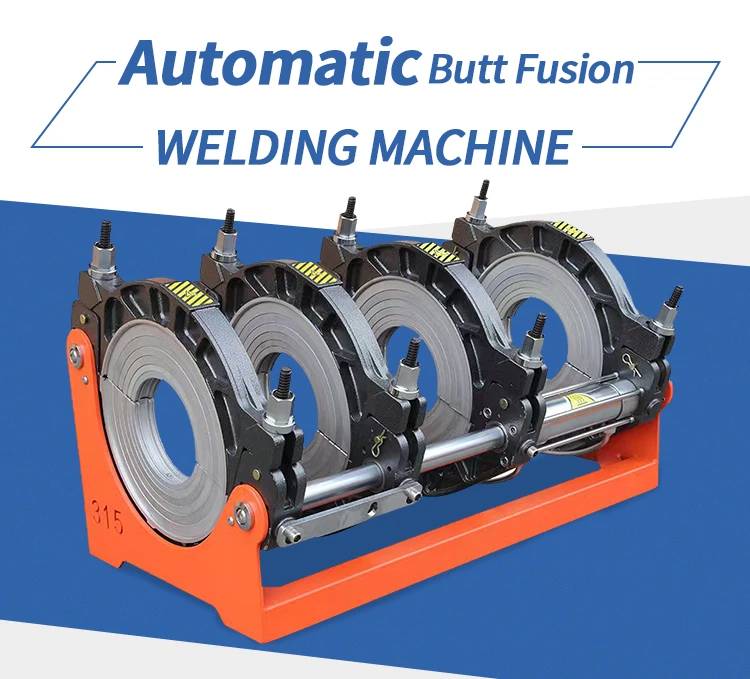
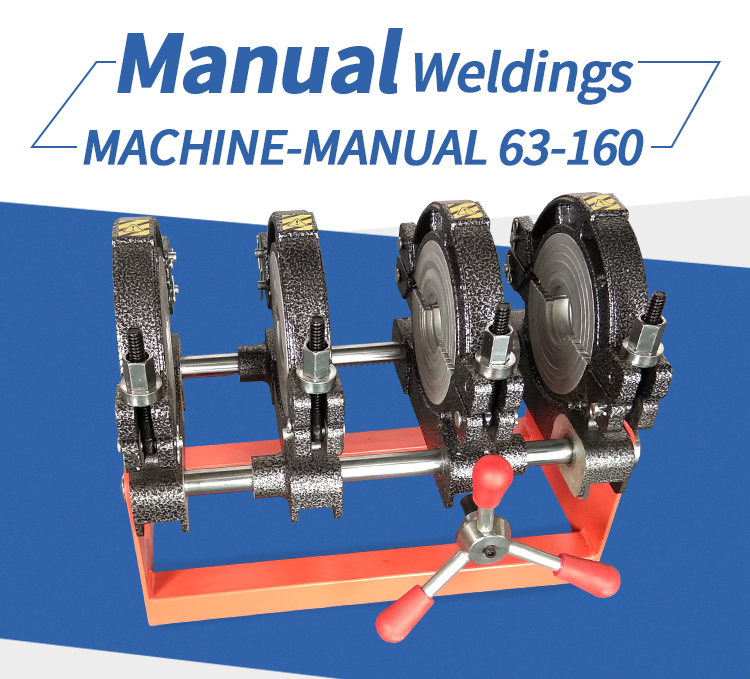
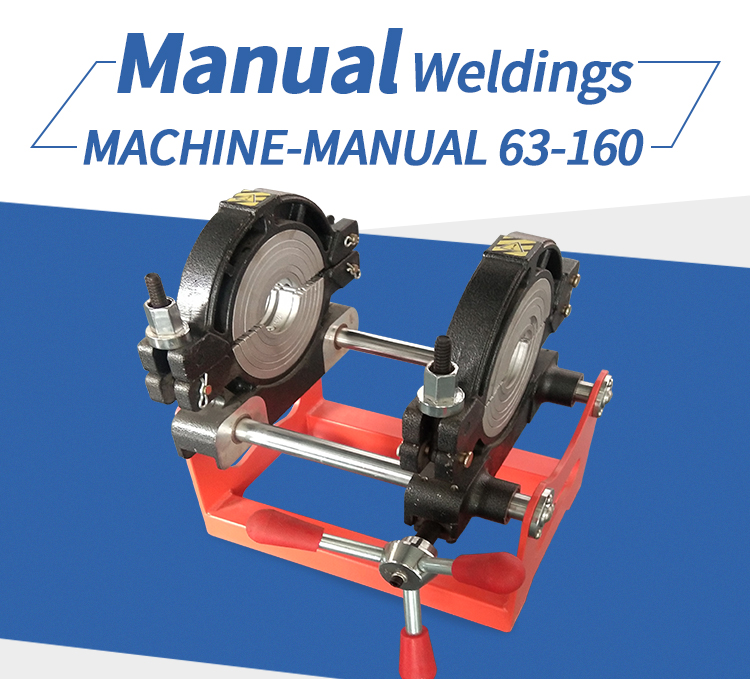
The pipe end and end cap are aligned in a fusion machine.
Both surfaces are heated using a calibrated heating plate.
The molten surfaces are pressed together under controlled pressure.
After cooling, the joint becomes a continuous polyethylene structure.
Because the pipe and fitting fuse into a single piece, there are no gaskets or threaded connections that could loosen over time.
Socket Fusion Working Principle
For smaller pipe sizes:
The pipe exterior and fitting socket are heated using dedicated socket fusion tools.
The softened pipe is inserted into the end cap socket.
Cooling creates a homogeneous welded joint.
Socket fusion is widely used for residential and light commercial installations because of its speed and simplicity.
Advantages of PE Butt Socket Fusion End Caps
Leak-Free Sealing
Fusion welding eliminates the risk of leakage commonly associated with mechanical joints.
Corrosion Resistance
PE materials are unaffected by rust, scale, or electrochemical corrosion.
Long Service Life
Properly installed PE end caps can remain in service for more than 50 years.
High Pressure Resistance
Fusion joints can withstand the same pressure rating as the connected pipe.
Lightweight Construction
PE fittings are much lighter than metal alternatives, reducing transportation and installation costs.
Chemical Resistance
Suitable for conveying:
Drinking water
Industrial chemicals
Acids
Alkalis
Wastewater
Excellent Impact Resistance
PE maintains toughness even in cold climates where brittle materials may crack.
Typical Applications
Municipal Water Supply
End caps are used to terminate future pipeline extensions or isolate sections during construction.
Gas Distribution
PE100 end caps provide secure closures for natural gas networks.
Agricultural Irrigation
Temporary and permanent pipeline terminations simplify system expansion and maintenance.
Industrial Plants
Factories use end caps to seal process lines, spare outlets, and testing sections.
Mining Operations
PE pipelines carrying slurry or water often require durable end closures.
Fire Protection Systems
End caps are used during installation, pressure testing, and future system modifications.
Water Treatment Facilities
Engineers use PE end caps to isolate equipment and facilitate maintenance.
Installation Best Practices
Clean the Pipe
Ensure both the pipe and fitting surfaces are free from dirt, moisture, and grease.
Align Properly
Misalignment can compromise weld quality and pressure performance.
Use Certified Fusion Equipment
Maintain the correct heating temperature and pressure according to the pipe manufacturer's specifications.
Allow Complete Cooling
Do not move or pressurize the joint until the recommended cooling time has elapsed.
Perform Pressure Testing
Test the completed pipeline before placing it into service.
PE Fusion End Cap vs PVC End Cap
| Feature | PE Fusion End Cap | PVC End Cap |
|---|---|---|
| Connection Method | Fusion | Solvent Cement |
| Flexibility | Excellent | Limited |
| Impact Resistance | High | Moderate |
| Corrosion Resistance | Excellent | Good |
| Service Life | 50+ Years | 20–30 Years |
Winner: PE end caps provide stronger joints and better long-term durability.
PE Fusion End Cap vs Mechanical Pipe Plug
| Feature | PE Fusion End Cap | Mechanical Plug |
| Permanent Seal | Yes | No |
| Leak Resistance | Excellent | Moderate |
| Maintenance | Minimal | Regular Inspection |
| Pressure Capability | High | Moderate |
Winner: Fusion end caps are the preferred solution for permanent pipeline closures.
PE Fusion End Cap vs Blind Flange
| Feature | Fusion End Cap | Blind Flange |
| Installation | Faster | More Complex |
| Weight | Light | Heavy |
| Bolt Maintenance | None | Required |
| Leakage Risk | Very Low | Depends on Gasket |
Winner: Fusion end caps offer simpler installation and reduced maintenance.
PE Fusion End Cap vs Steel Welded Cap
| Feature | PE End Cap | Steel Cap |
| Corrosion Resistance | Excellent | Requires Protection |
| Weight | Light | Heavy |
| Chemical Resistance | Excellent | Moderate |
| Installation Cost | Lower | Higher |
| Service Life | 50+ Years | Depends on Coating |
Winner: PE end caps are ideal for corrosive and underground environments.
413266.webp "butt-fusion-fittings (1)413266.webp")
Installation method of quick-connect(socket fusion) PE pipe fittings
1. Cut the end of the PE pipe flat, and there should be no plastic end or other debris
2. Install the parts of the PE pipe fittings on the PE pipe in sequence
3. Tips:
(1) The length of the exposed pipe in the front section of the sealing ring is between 5-10mm, which should not be too long. It can only be adjusted appropriately within the specified range according to the diameter of the PE pipe;
(2) The inclined end of the pressure pad faces the steel clip. If the installation direction is wrong, it is easy to cause the PE pipe fittings to be unable to withstand high pressure;
(3) When installing, remember to hold the steel clip tightly with your hands to keep the sealing ring and pressure pad from sliding, and install the pipe in the PE pipe fitting, otherwise it will easily cause the length of the pipe to enter the pipe fitting is too long, which will affect its use. performance;
4. After the installation is completed, use a special wrench to tighten.
675056.webp "butt-fusion-fittings (4)675056.webp")
Precautions for the correct connection of PE pipes
1. When installing PE pipes and fittings, corresponding special heating tools should be used according to different interface forms, and open flames should not be used to heat pipe fittings.
2. The end of the pipe should be clean when the pipe is connected, and the mouth of the pipe should be temporarily blocked at each end of work to prevent debris from entering the pipe.
3. After each connection is completed, the appearance and quality inspection should be carried out, and those that do not meet the requirements must be cut and reworked.
4. Take protective measures or adjust the construction process when connecting in cold climate (below -5C) and strong wind environment.
5. Pipes and fittings should be connected at the construction site for a certain period of time, so that the temperature of the pipes and fittings is consistent.
6. Before the PE pipe fittings are connected, the pipes and PE fittings accessories should be checked according to the design requirements, and the visual inspection should be carried out on the construction site, and they can be used only if they meet the requirements. The main inspection items include pressure resistance level, outer surface quality, matching quality, consistency of village quality, etc.
613247.webp "butt-fusion-fittings (7)613247.webp")
How to Choose the Right PE End Cap
Before selecting a fitting, evaluate the following:
Pipe outside diameter
SDR rating
Pressure class (PN10, PN16, PN20)
Operating temperature
Fluid type
Installation method
Applicable standards
Future expansion requirements
Matching the end cap to the pipe material and fusion process is essential for optimal system performance.
Future Trends in PE Pipe Fittings
Demand for PE fusion end caps continues to grow due to:
Expansion of municipal water infrastructure
Smart irrigation systems
Gas network modernization
Mining projects
Industrial process automation
Sustainable pipeline construction
Manufacturers are increasingly using automated molding equipment, high-purity PE100 materials, and advanced quality control systems to improve product consistency and performance.
Conclusion
PE Butt Socket Fusion End Caps are indispensable components for safely sealing polyethylene pipelines in water supply, gas distribution, irrigation, industrial processing, mining, and infrastructure projects. Manufactured from high-quality PE100 or PE80 materials, these fittings create permanent, leak-free joints through butt fusion or socket fusion, ensuring excellent pressure resistance, corrosion protection, and a service life exceeding 50 years.
Compared with PVC end caps, blind flanges, mechanical plugs, and steel welded caps, PE fusion end caps provide superior durability, lower maintenance requirements, lighter weight, and outstanding long-term reliability. Whether used in residential plumbing or large-scale municipal and industrial pipeline systems, they remain one of the most efficient and cost-effective solutions for secure pipeline termination.
916.webp)
204.webp)
659.webp)
185.webp)