133.webp)
372.webp)
791.webp)
178.webp)
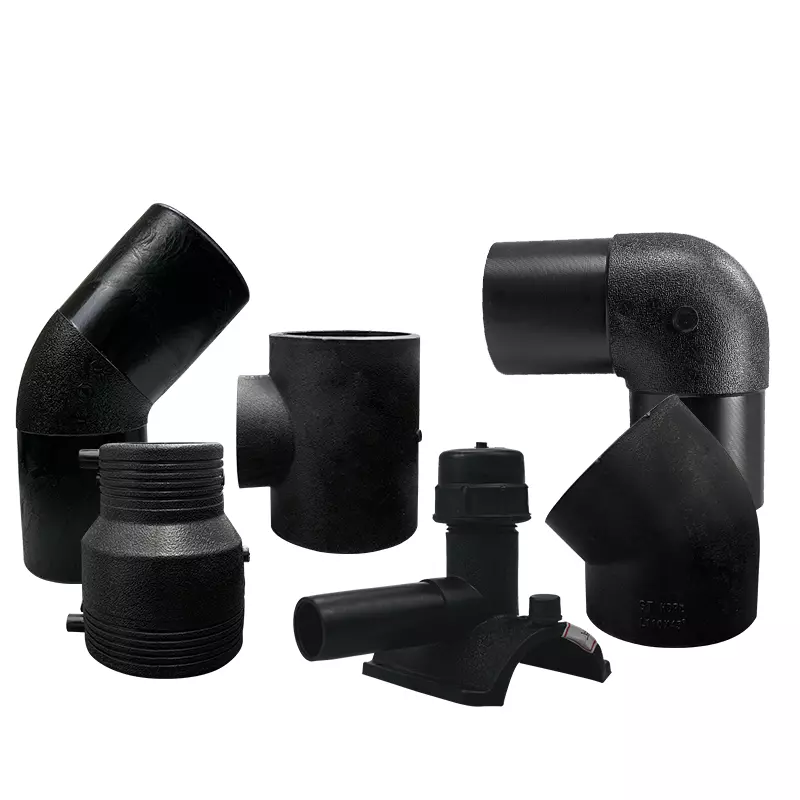
HDPE piping systems have become a backbone of modern fluid transport due to their durability, corrosion resistance, and long service life. Among the essential components used in these systems, HDPE Reducing Coupling Pipe Fittings play a critical role in connecting pipes of different diameters efficiently and safely. This article provides a comprehensive SEO-optimized guide explaining what they are, how they work, where they are used, and how they compare with competing solutions in the market.
What Are HDPE Reducing Coupling Pipe Fittings?
HDPE Reducing Coupling Pipe Fittings are specialized connectors designed to join two High-Density Polyethylene (HDPE) pipes of different diameters within a piping system.
In simple terms, they act as a transition adapter, allowing a large pipe to connect seamlessly to a smaller one without compromising flow stability or system integrity.
These fittings are commonly used in:
Water supply networks
Gas distribution systems
Agricultural irrigation systems
Industrial fluid pipelines
Mining and slurry transport systems
HDPE reducing couplings are typically manufactured through injection molding or fabrication welding, ensuring high precision and mechanical strength.
Key Features and Advantages
HDPE reducing coupling fittings are widely chosen due to their outstanding material properties:
1. Corrosion Resistance
Unlike metal fittings, HDPE does not rust, corrode, or degrade when exposed to chemicals, moisture, or soil conditions.
2. Lightweight but Strong
Despite being lightweight, HDPE offers high tensile strength and impact resistance, making installation easier and safer.
3. Long Service Life
Most HDPE fittings can last 50 years or more under proper operating conditions.
4. Leak-Free Performance
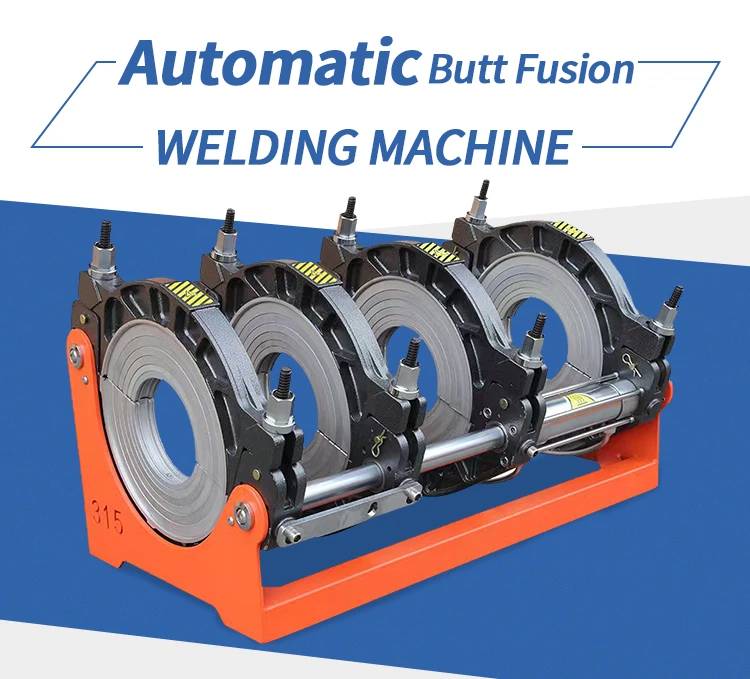
When properly welded using butt fusion or electrofusion techniques, the joint becomes fully sealed and homogeneous.
5. Chemical Resistance
HDPE is resistant to acids, alkalis, and most industrial chemicals.
6. Cost Efficiency
Lower maintenance costs and longer lifespan reduce total system lifecycle expenses.
Structure and Types of HDPE Reducing Coupling Fittings
HDPE reducing couplings are available in different structural designs depending on application requirements:
1. Concentric Reducing Coupling
Both pipe centers are aligned
Used in vertical piping systems
Ensures uniform flow transition
2. Eccentric Reducing Coupling
Pipe centers are offset
Prevents air accumulation in horizontal pipelines
Common in drainage systems
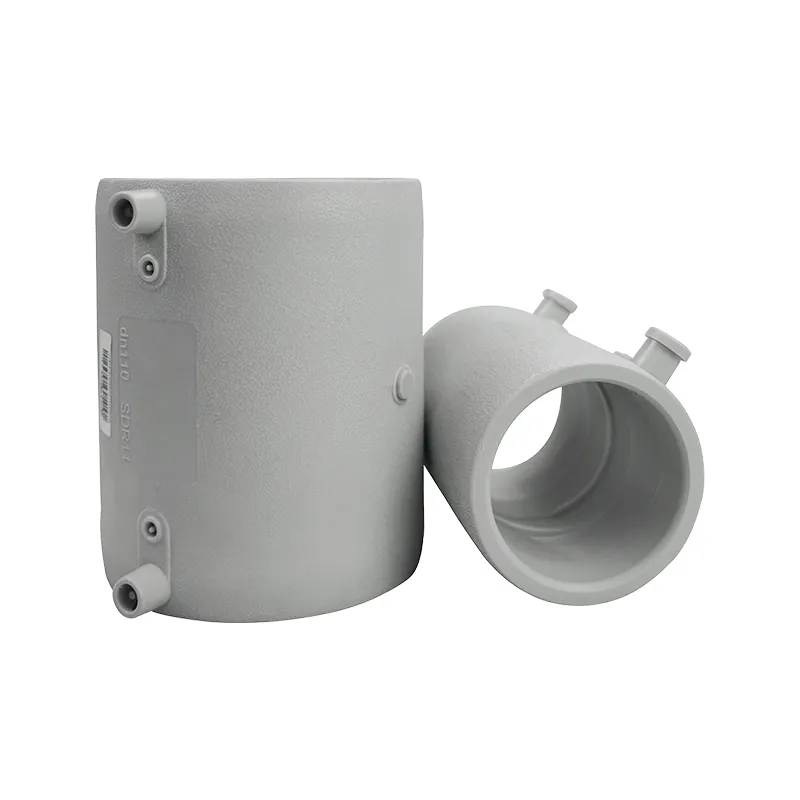
3. Electrofusion Reducing Coupling
Embedded heating coils inside the fitting
Uses electric current for welding
Ideal for high-pressure systems
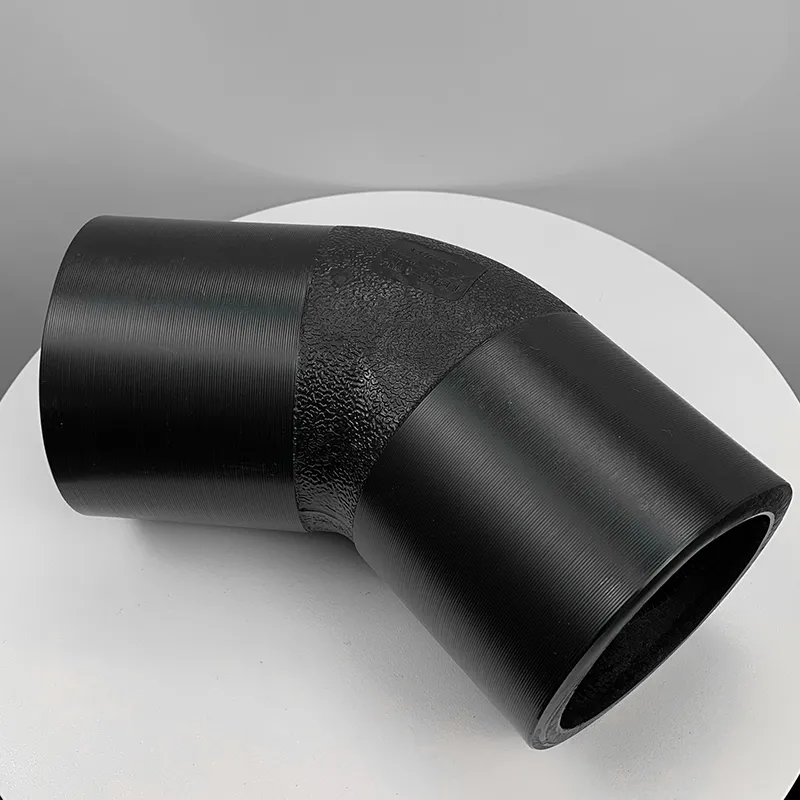
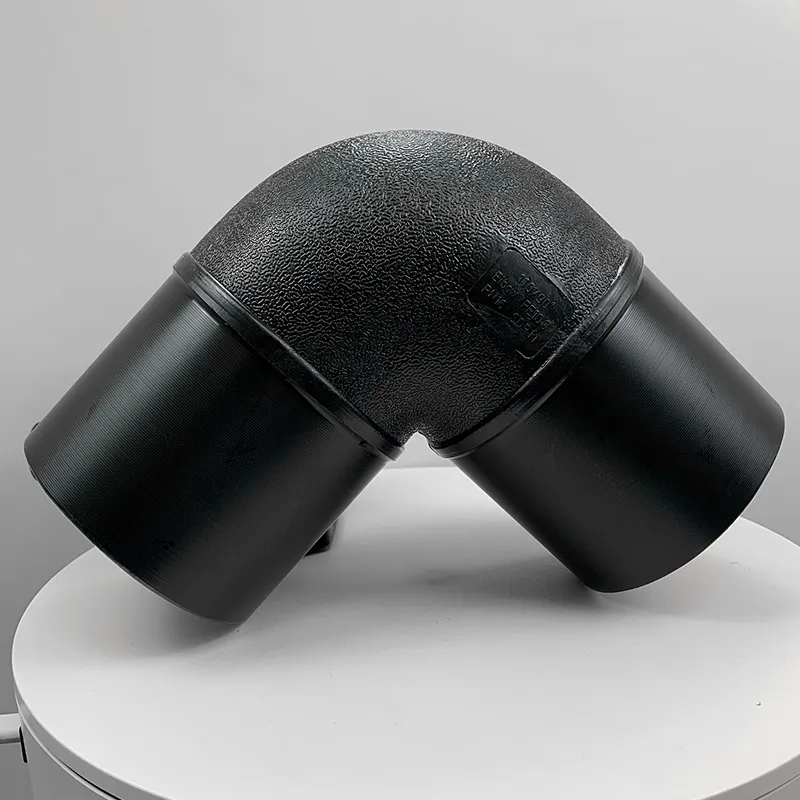
4. Butt Fusion Reducing Coupling
Pipes are heated and pressed together
Creates a permanent molecular bond
Widely used in municipal pipelines
Spec. | EXW USD/pcs | |
Reducing | S25-20 | 0.04 |
S32-20 | 0.06 | |
S32-25 | 0.06 | |
S40-20 | 0.08 | |
S40-25 | 0.09 | |
S40-32 | 0.09 | |
S50-20 | 0.12 | |
S50-25 | 0.12 | |
S50-32 | 0.13 | |
S50-40 | 0.13 | |
S63-20 | 0.20 | |
S63-25 | 0.21 | |
S63-32 | 0.22 | |
S63-40 | 0.22 | |
S63-50 | 0.22 | |
S75-32 | 0.38 | |
S75-40 | 0.39 | |
S75-50 | 0.40 | |
S75-63 | 0.41 | |
S90-40 | 0.62 | |
S90-50 | 0.62 | |
S90-63 | 0.62 | |
S90-75 | 0.63 | |
S110-50 | 0.94 | |
S110-63 | 0.95 | |
S110-75 | 0.95 | |
S110-90 | 0.95 |
Working Principle of HDPE Reducing Coupling Pipe Fittings
The working principle of HDPE reducing couplings is based on thermoplastic fusion technology and hydraulic flow optimization.
Step 1: Size Transition Function
The fitting connects two pipes with different diameters, allowing fluid to move smoothly from a larger cross-section to a smaller one or vice versa.
Step 2: Pressure Distribution
The reducing design helps maintain stable pressure by minimizing turbulence and sudden velocity changes.
Step 3: Fusion Welding Process
Depending on the method used:
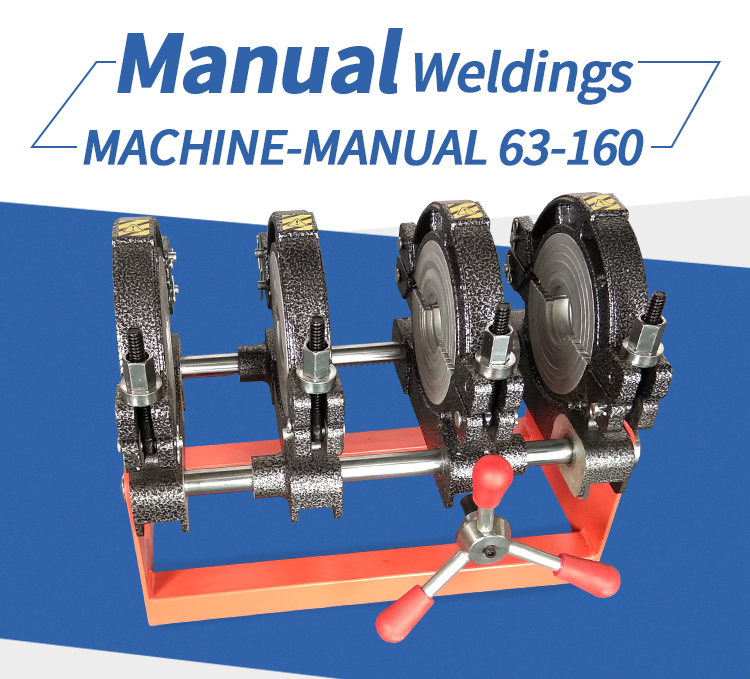
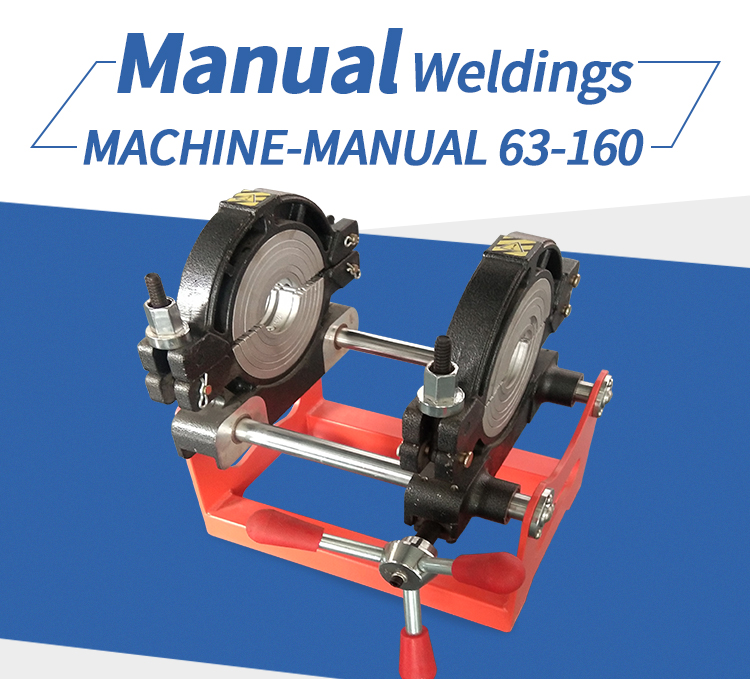
Butt fusion: Pipe ends are heated until molten, then pressed together under controlled pressure.
Electrofusion: Internal coils heat the joint area to create a uniform weld.
Once cooled, the connection becomes a single continuous HDPE structure, eliminating leakage risks.
Step 4: Flow Stabilization
The smooth inner wall reduces friction loss and ensures consistent flow efficiency across diameter changes.
Applications of HDPE Reducing Coupling Pipe Fittings
HDPE reducing couplings are used in a wide range of industries due to their versatility.
1. Municipal Water Supply Systems
Used in city pipelines to distribute potable water across different pipeline sizes efficiently.
2. Agricultural Irrigation
Farm irrigation systems often require pipe size transitions to regulate water distribution in fields.
3. Gas Distribution Networks
HDPE’s safety and leak resistance make it ideal for natural gas transport systems.
4. Industrial Fluid Transfer
Factories use reducing couplings for transporting chemicals, wastewater, and cooling fluids.
5. Mining Operations
Used in slurry and tailing pipelines where abrasion resistance is critical.
6. Sewage and Drainage Systems
Helps maintain smooth wastewater flow while transitioning between pipe sizes.
7. Fire Protection Systems
Used in underground fire water supply pipelines to ensure pressure consistency.
Installation Methods
Proper installation is essential for performance and safety.
1. Butt Fusion Welding
Requires heating plate
Pipes aligned and fused under pressure
Suitable for large diameter pipelines
2. Electrofusion Welding
Uses electrofusion coupler with embedded coils
Electrical current melts fitting internally
Ideal for repair and confined spaces
3. Mechanical Installation (Temporary Systems)
Uses compression fittings
Easier installation but less durable
Often used in temporary irrigation setups
Technical Specifications (Typical Range)
| Parameter | Description |
|---|---|
| Material | HDPE (PE80 / PE100) |
| Diameter Range | 20mm – 1200mm |
| Pressure Rating | PN6 – PN25 |
| Temperature Range | -40°C to +60°C |
| Connection Types | Butt fusion / Electrofusion |
| Color Options | Black, blue, customized |
Competitor Analysis
When selecting pipe transition fittings, HDPE reducing couplings face competition from several alternative materials and technologies.
1. PVC Reducing Couplings
Advantages:
Lower initial cost
Easy installation
Disadvantages:
Brittle under cold temperatures
Lower pressure resistance
Shorter lifespan compared to HDPE
Verdict: PVC is suitable for low-pressure residential use, but not industrial-grade systems.
2. Steel Reducing Couplings
Advantages:
Extremely strong mechanical performance
Suitable for high-temperature applications
Disadvantages:
Corrosion risk
Heavy weight
High maintenance cost
Verdict: Steel is preferred in extreme conditions but lacks long-term corrosion resistance.
3. Ductile Iron Fittings
Advantages:
High structural strength
Common in municipal infrastructure
Disadvantages:
Requires anti-corrosion coating
Heavy and expensive installation
Higher labor costs
Verdict: Still widely used but gradually replaced by HDPE in modern systems.
4. Brass/Metal Alloy Couplings
Advantages:
Good sealing performance
Compact design
Disadvantages:
Expensive
Corrosion in aggressive environments
Limited diameter range
Verdict: Mostly used in small-scale plumbing, not large infrastructure.
Overall Market Position of HDPE Reducing Couplings
HDPE fittings outperform competitors in:
Lifecycle cost efficiency
Corrosion resistance
Installation flexibility
Environmental sustainability
They are increasingly becoming the global standard for modern pipeline systems.
Common Problems and Solutions
1. Improper Fusion Weld
Problem: Weak joint or leakage
Solution: Ensure correct temperature and alignment during welding
2. Misalignment of Pipe Sizes
Problem: Flow turbulence
Solution: Use proper reducers (concentric or eccentric depending on system design)
3. Overpressure Conditions
Problem: Pipe deformation
Solution: Select correct PN pressure rating
Future Trends in HDPE Pipe Fittings
The industry is evolving toward:
Smart pipeline monitoring systems
Higher-grade PE100-RC materials
Automated electrofusion welding tools
Eco-friendly recycled HDPE materials
Leak-detection integrated fittings
HDPE reducing couplings will continue to evolve as infrastructure demands grow globally.
Conclusion
HDPE Reducing Coupling Pipe Fittings are essential components in modern pipeline systems, enabling safe and efficient transition between different pipe diameters. Their excellent corrosion resistance, long service life, and superior sealing performance make them far superior to traditional metal or PVC alternatives.
Whether used in water supply networks, industrial pipelines, agriculture, or gas distribution, these fittings provide a reliable and cost-effective solution for long-term infrastructure performance.
As industries continue to shift toward durable and sustainable materials, HDPE reducing couplings will remain a key technology driving the future of fluid transport systems.
916.webp)
204.webp)
659.webp)
185.webp)