In this context, PE100 high-density polyethylene (HDPE) gas pipelines have become a critical component of modern gas distribution systems. Their unique combination of mechanical performance, corrosion resistance, flexibility, and long-term reliability makes them exceptionally well-suited for Russia’s energy sector—often rendering them irreplaceable in specific applications.
1. Material Excellence: Why PE100 Stands Out
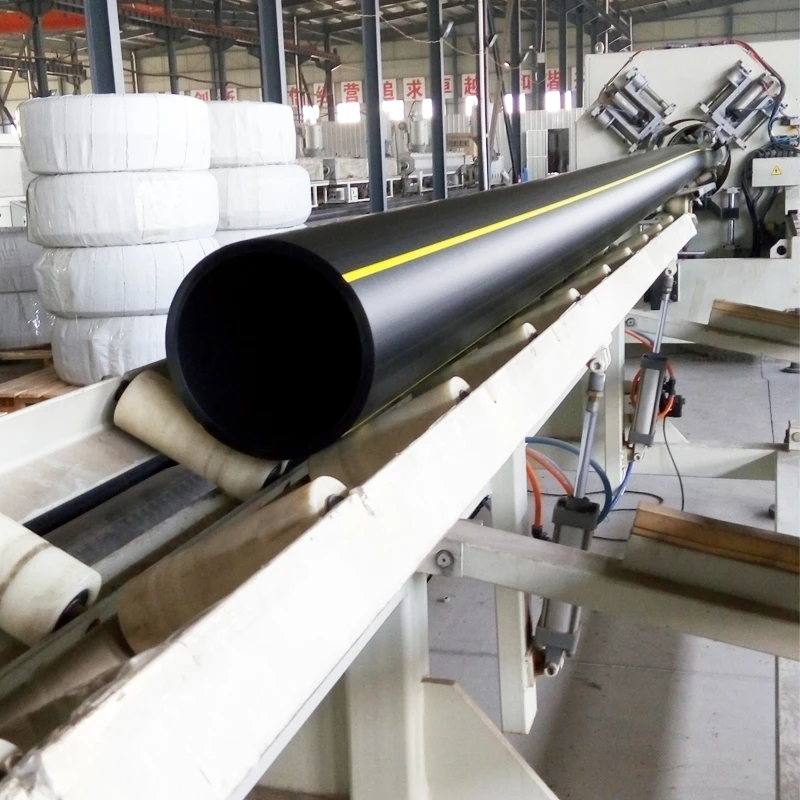
PE100 represents a high-performance grade of polyethylene specifically engineered for pressure pipe systems. Compared to earlier materials such as PE63 and PE80, PE100 offers significantly improved strength and durability. Its Minimum Required Strength (MRS) of 10 MPa allows for thinner pipe walls at the same pressure rating, improving flow efficiency while reducing material usage.
In Russia’s gas infrastructure, where pipelines must endure both internal pressure and external loads from soil, traffic, and seasonal ground movement, PE100 provides a reliable balance between strength and flexibility. Its molecular structure ensures excellent resistance to slow crack growth and rapid crack propagation—two critical factors for long-term pipeline integrity.
2. Resistance to Harsh Environmental Conditions
One of the most compelling reasons for the widespread use of PE100 gas pipes in Russia is their ability to perform reliably under extreme environmental conditions.
Low Temperature Performance
Russia’s climate includes long winters with temperatures frequently dropping below -30°C. Traditional materials such as steel can become brittle under such conditions, increasing the risk of fractures. PE100, however, maintains excellent impact resistance even at low temperatures, reducing the likelihood of sudden failure.
Corrosion Resistance
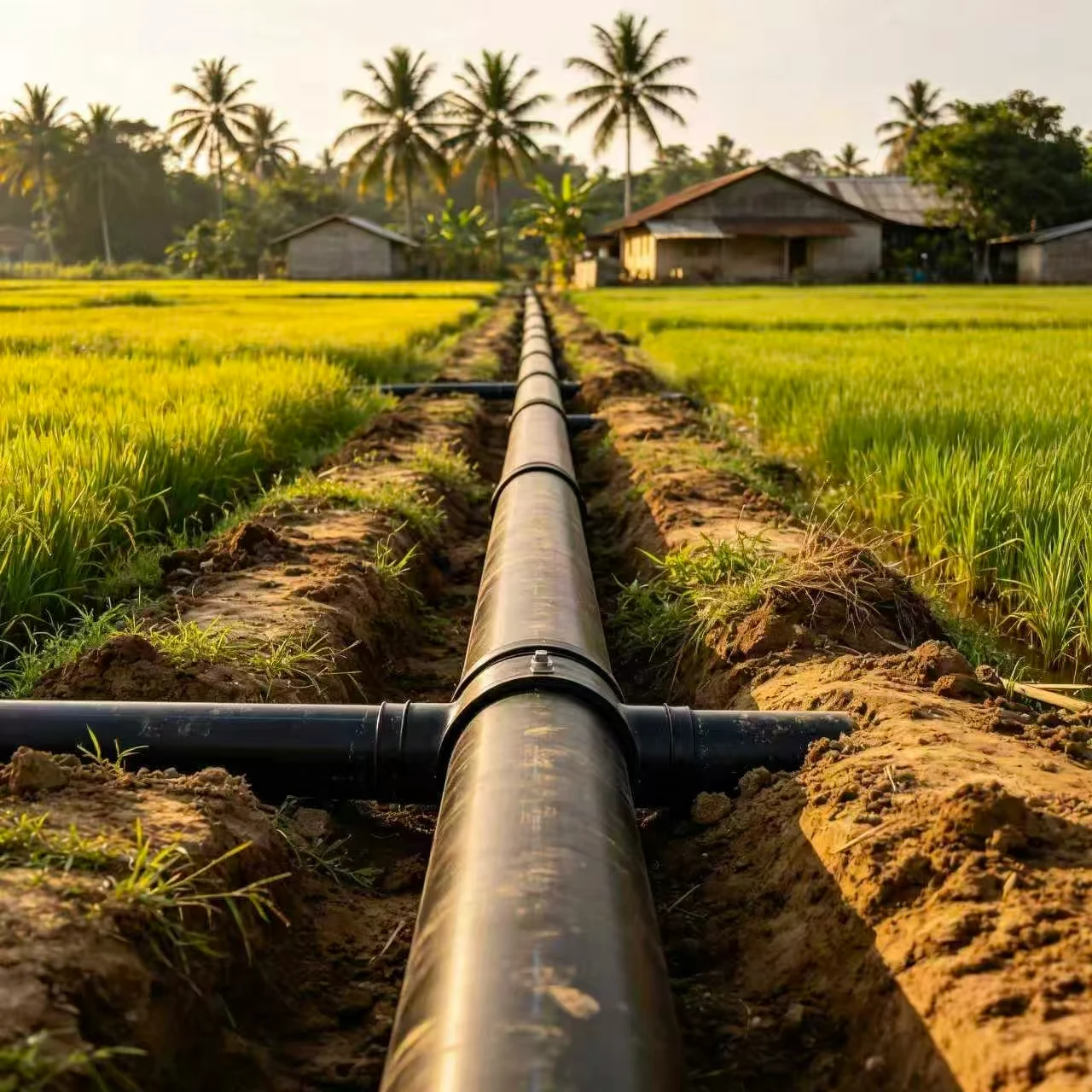
Unlike steel pipelines, which require complex anti-corrosion coatings and cathodic protection systems, PE100 is inherently resistant to corrosion. It does not react with moisture, soil chemicals, or hydrocarbons, making it ideal for underground installation. This is particularly important in regions with high groundwater levels or aggressive soil compositions.
UV and Chemical Stability
With proper carbon black content (typically 2–2.5%), PE100 pipes are also resistant to ultraviolet radiation during storage and installation. Their chemical inertness ensures compatibility with natural gas and prevents degradation over time.
3. Adaptability to Complex Terrain
Russia’s geography presents significant engineering challenges. Pipelines must traverse mountains, rivers, wetlands, and urban infrastructure. PE100’s flexibility offers a major advantage in these scenarios.
Flexibility and Bending Radius
PE100 pipes can be bent within a specified radius without compromising structural integrity. This reduces the need for additional fittings and allows pipelines to adapt to terrain contours more easily.
Suitability for Trenchless Installation
Modern construction methods such as Horizontal Directional Drilling (HDD) are widely used in Russia to minimize environmental impact and avoid disruptions. PE100 pipes are particularly well-suited for HDD due to their high tensile strength and flexibility. They can withstand significant pulling forces during installation, making them ideal for crossing roads, railways, and rivers.
4. Leak-Free Connection Technology
Safety is paramount in gas transportation. Any leakage can result in severe environmental and economic consequences. PE100 pipelines offer advanced connection methods that significantly reduce this risk.
Butt Fusion and Electrofusion
Unlike traditional mechanical joints, PE100 pipes are typically joined באמצעות butt fusion or electrofusion welding. These methods create a homogeneous joint where the pipe and fitting become a single continuous structure. The result is a leak-free system with strength equal to or greater than the pipe itself.
Reduced Maintenance
Because there are no weak points such as gaskets or threaded connections, PE100 systems require less maintenance over time. This is especially beneficial in remote areas where access for repairs can be difficult and costly.
5. Long Service Life and Reliability
PE100 gas pipelines are designed for a service life exceeding 50 years under standard operating conditions. This longevity is supported by extensive testing and international standards, including ISO 4437 and Russian GOST regulations.
Resistance to Slow Crack Growth
One of the key performance indicators for PE100 is its resistance to slow crack growth (SCG), which ensures that minor defects do not propagate into catastrophic failures over time.
Stable Performance Under Pressure
PE100 maintains consistent mechanical properties under long-term internal pressure, ensuring reliable operation in both medium and high-pressure gas distribution systems.
6. Economic Efficiency Over the Lifecycle
While initial material costs are an important consideration, the total cost of ownership is often more critical in large-scale infrastructure projects. PE100 pipelines offer significant economic advantages throughout their lifecycle.
Lower Installation Costs
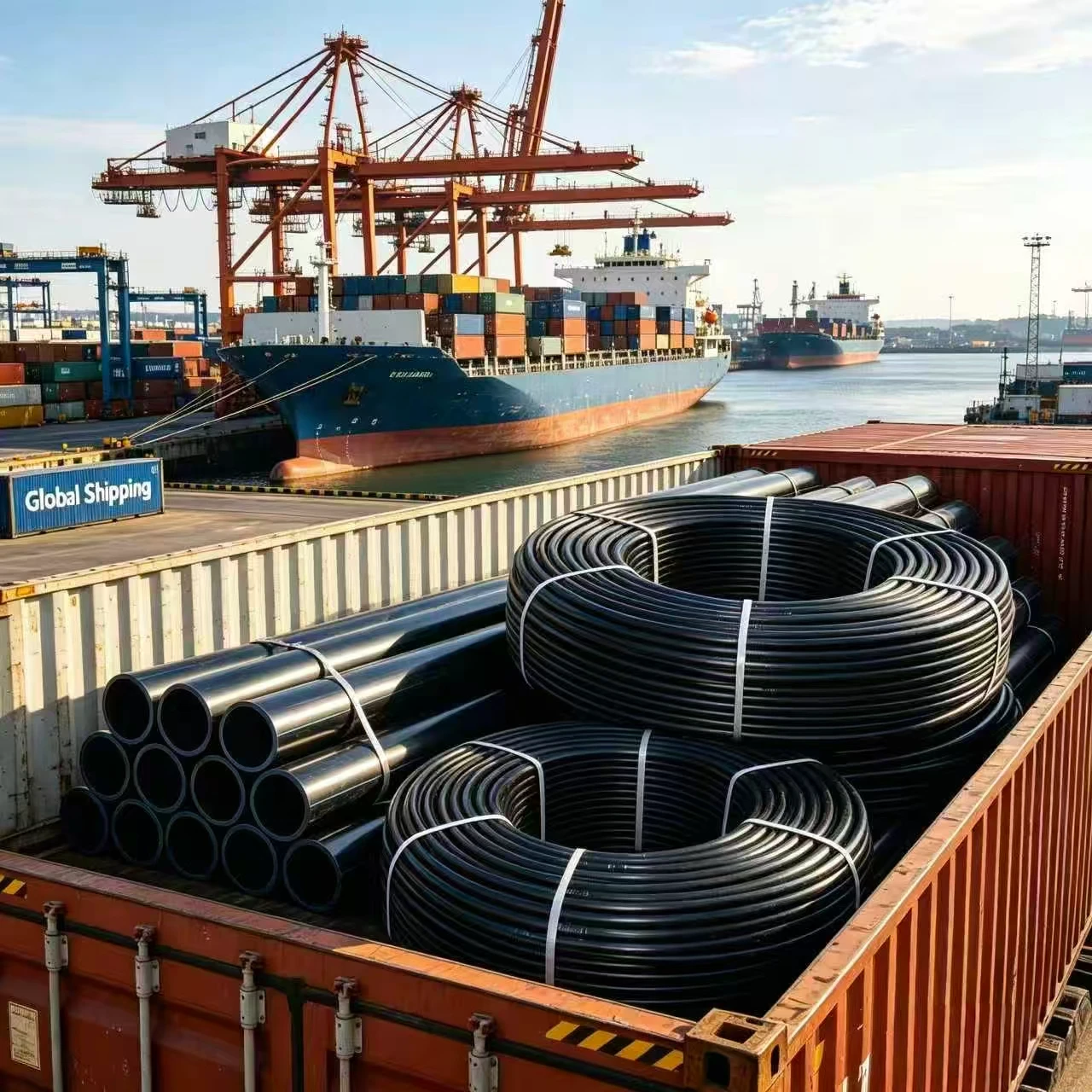
Due to their lighter weight compared to steel, PE100 pipes are easier to transport and handle. This reduces labor and equipment requirements during installation.
Reduced Maintenance and Repair
The corrosion resistance and leak-free joints of PE100 pipelines minimize the need for ongoing maintenance, lowering operational expenses over time.
Energy Efficiency
The smooth internal surface of PE100 pipes results in lower friction losses, improving gas flow efficiency and reducing energy consumption for compression.
7. Compliance with Russian and International Standards
In Russia, gas pipelines must comply with strict technical standards such as GOST R 58121 and GOST 50838. PE100 pipes are fully compatible with these requirements, ensuring safety and reliability.
Additionally, PE100 systems align with international standards such as ISO 4437, facilitating their use in cross-border projects and collaborations with global partners.
8. Environmental and Safety Advantages
As environmental concerns become increasingly important, the advantages of PE100 pipelines extend beyond technical performance.
Reduced Environmental Impact
Trenchless installation methods enabled by PE100 reduce soil disturbance and protect ecosystems. The material itself is recyclable, contributing to sustainability goals.
Enhanced Safety
The flexibility of PE100 allows it to absorb ground movement caused by seismic activity or soil settlement, reducing the risk of rupture. Its resistance to corrosion and cracking further enhances system safety.
9. Strategic Importance in Russia’s Energy Future
Russia’s energy strategy includes the modernization and expansion of its gas distribution network. PE100 pipelines play a key role in this transition, particularly in urban gasification projects and regional infrastructure upgrades.
Their adaptability, durability, and cost-effectiveness make them the preferred choice for replacing aging steel pipelines and for constructing new distribution systems in both developed and remote areas.
PE100 gas pipelines have proven to be an indispensable solution in Russia’s energy transportation system. Their superior material properties, resistance to harsh environmental conditions, adaptability to complex terrain, and long-term economic benefits set them apart from traditional materials.
In a country where reliability, safety, and efficiency are critical to national energy security, PE100 pipelines are not merely an alternative—they are a necessity. As Russia continues to invest in its gas infrastructure, the role of PE100 will only become more prominent, reinforcing its position as a cornerstone of modern pipeline engineering.
679.webp)
916.webp)
204.webp)
659.webp)
185.webp)
312.webp)
849.webp)
587.webp)
767.webp)