394.webp)
207.webp)
418.webp)
679.webp)
In the rapidly expanding landscape of India's infrastructure development, the demand for high-quality, durable, and cost-effective piping solutions has never been greater. High-Density Polyethylene (HDPE) elbow pipe fittings have emerged as indispensable components in modern piping systems, offering exceptional performance across water supply, irrigation, gas distribution, and industrial applications. For contractors, project managers, and procurement professionals seeking custom HDPE elbow fittings at competitive prices in India, understanding the nuances of these products—from their engineering principles to market dynamics—is essential for making informed purchasing decisions.
This comprehensive guide explores everything you need to know about HDPE elbow pipe fittings: what they are, how they work, where they are applied, and how to navigate the competitive landscape to secure the best value for your projects.
What Are HDPE Elbow Pipe Fittings?
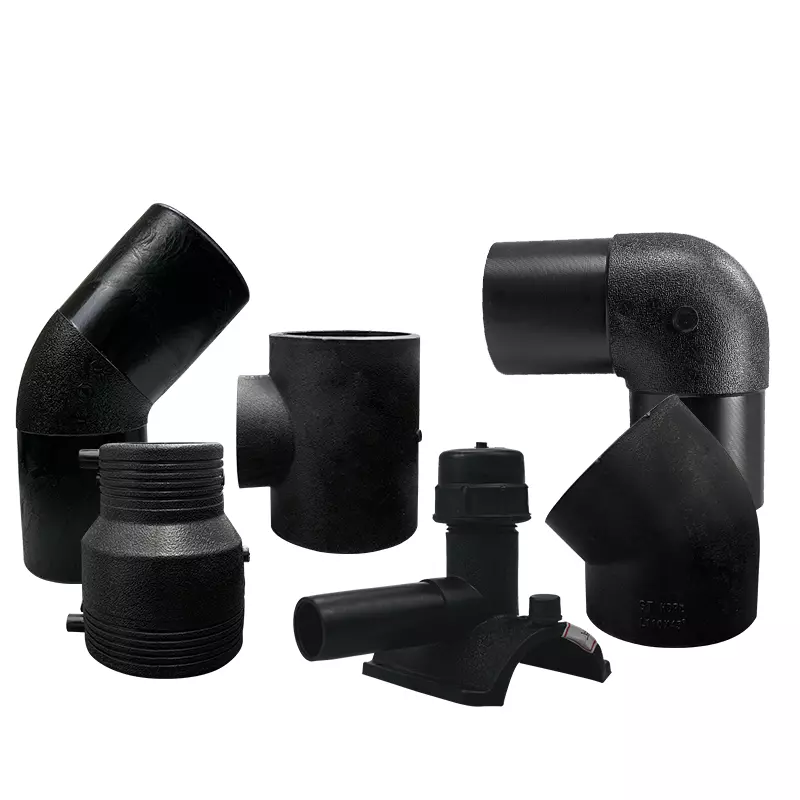
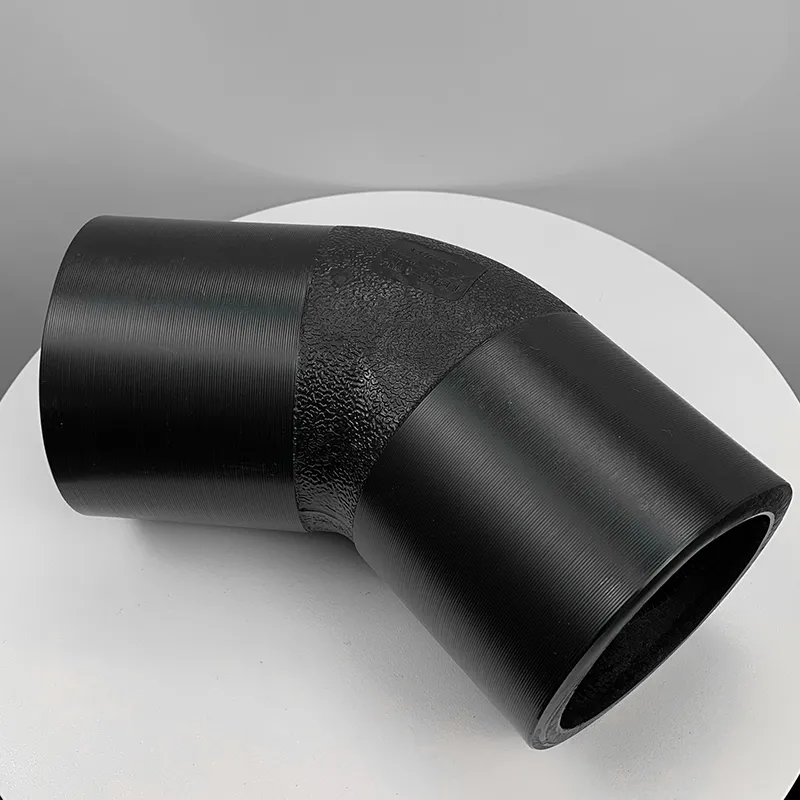
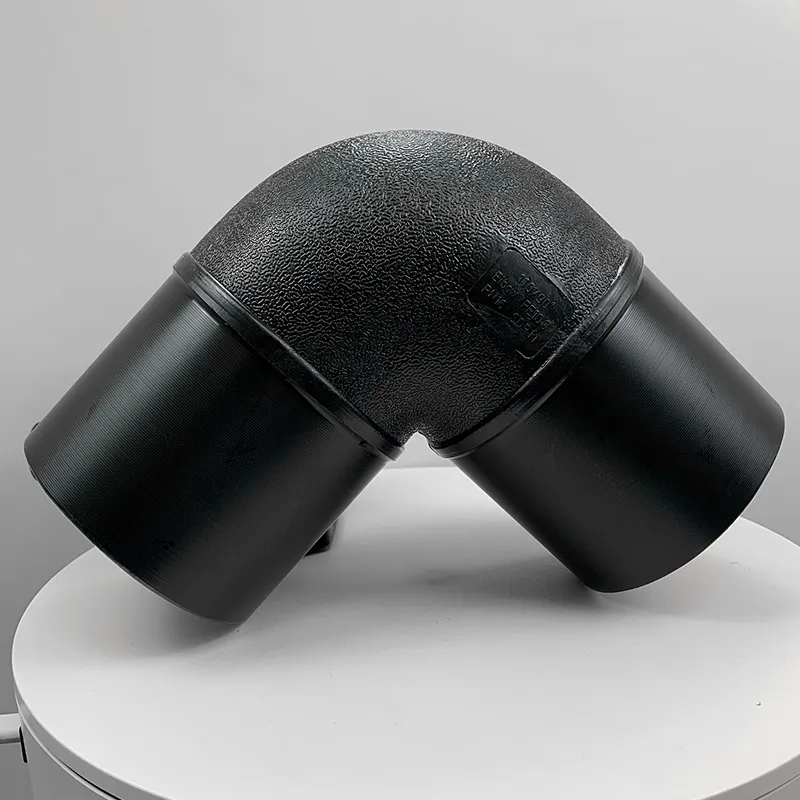
HDPE elbow pipe fittings are precision-engineered components designed to change the direction of fluid flow within a piping system. Typically available in common angles such as 15°, 30°, 45°, and 90°, these fittings are manufactured from high-density polyethylene—a thermoplastic polymer renowned for its exceptional strength-to-density ratio, chemical resistance, and long-term durability.
The material composition of HDPE fittings follows two primary grades: PE80 and PE100. PE100, the more advanced grade, offers superior pressure resistance and mechanical strength, making it the preferred choice for demanding applications. HDPE elbow fittings are produced in standard dimension ratios (SDR) ranging from SDR 41 to SDR 11, corresponding to pressure ratings from PN 3.2 (approximately 0.32 MPa) to PN 20 (approximately 2.0 MPa), thereby accommodating a wide range of operating conditions.
From a dimensional perspective, HDPE elbow fittings are available in sizes spanning 20 mm to over 1,200 mm in diameter, catering to everything from small-scale residential plumbing to large-diameter municipal water transmission mains. International standards governing these products include ISO 4427-3, EN 12201-3, DIN 8074, ASTM D3035, and the Indian standard IS 4984, ensuring consistent quality and interchangeability across global supply chains.
The manufacturing process predominantly employs injection molding for smaller diameters and fabricated construction for larger sizes. Injection-molded elbows provide precise dimensional accuracy and consistent mechanical performance, while fabricated fittings allow for customization in non-standard sizes and configurations. The material's inherent properties—including a density range of 0.94 to 0.96 g/cm³, a temperature tolerance from -40 °C to +60 °C, and a service life exceeding 50 years under normal operating conditions—make HDPE elbows a cornerstone of sustainable infrastructure development.
Specification of HDPE elbow pipe fittings
L63-90° | SDR13.6 |
L75-90° | SDR13.6 |
L90-90° | SDR13.6 |
L110-90° | SDR13.6 |
L160-90° | SDR13.6 |
L200-90° | SDR13.6 |
L250-90° | SDR13.6 |
L315-90° | SDR13.6 |
How HDPE Elbow Fittings Work: Joining Technologies and Engineering Principles
The effectiveness of HDPE elbow fittings lies not merely in the component itself but in how it integrates with the broader piping network. Unlike traditional mechanical joint systems that rely on threads, gaskets, or compression seals, HDPE piping systems achieve joint integrity through thermal fusion—a process that creates a homogeneous, monolithic connection between pipe and fitting.
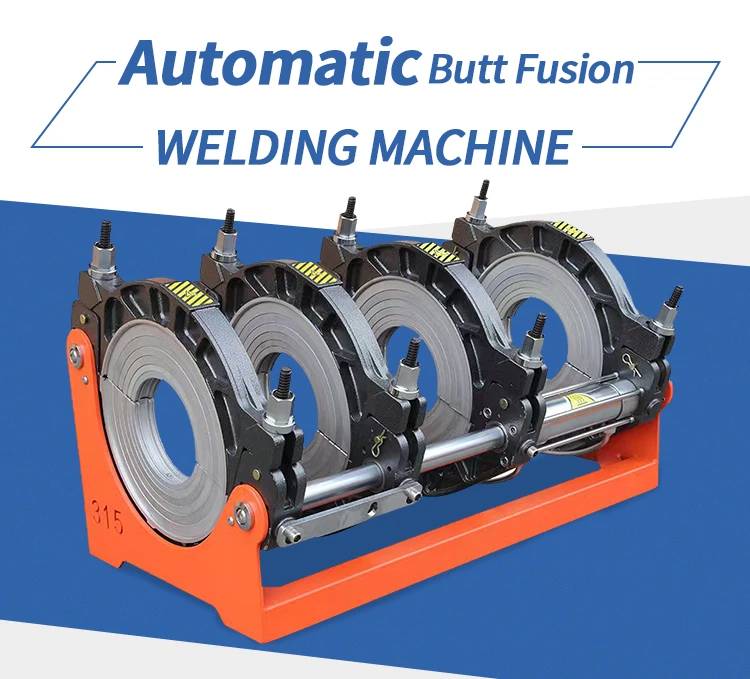
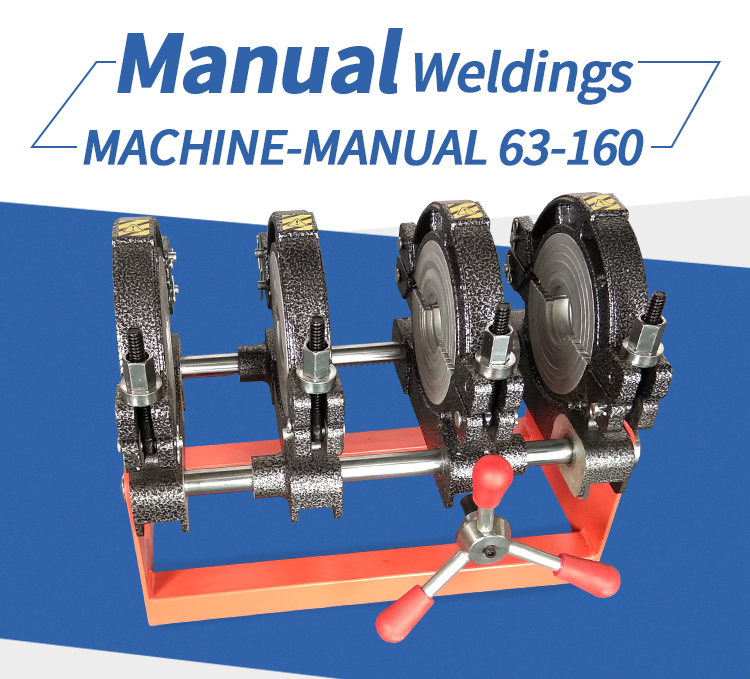
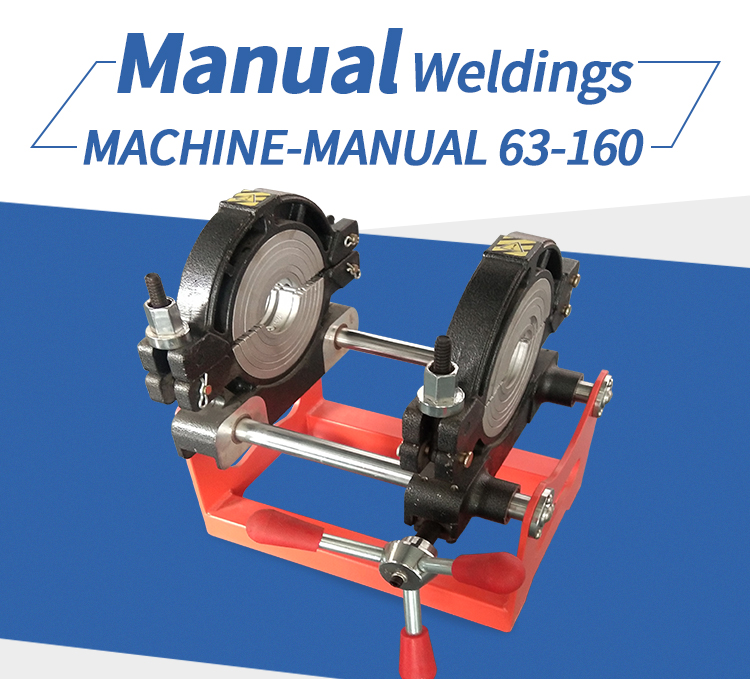
Butt Fusion Welding
Butt fusion is the predominant joining method for HDPE piping systems, particularly for diameters above 63 mm. The process involves several critical stages: the pipe ends and fitting spigots are first faced using a specialized tool to produce clean, parallel surfaces. A temperature-controlled heating plate—typically maintained at 200–220 °C—is then introduced between the mating surfaces. Once the material reaches the specified melt state (as defined by ASTM F2620 or equivalent standards), the heater is removed, and the components are brought together under a predetermined fusion force. This force is maintained for a calculated cooling period, during which the molten polyethylene molecules intertwine and solidify into a joint that is, in structural terms, as strong as or stronger than the parent pipe material.
The resulting butt fusion joint offers several distinct advantages: it is permanently leak-proof, requires no additional sealing materials, and eliminates the risk of joint separation under tensile or bending loads. For elbow fittings specifically, this means that the directional change in the pipeline introduces no weakness at the connection points—a critical consideration in high-pressure or seismic applications.
Electrofusion
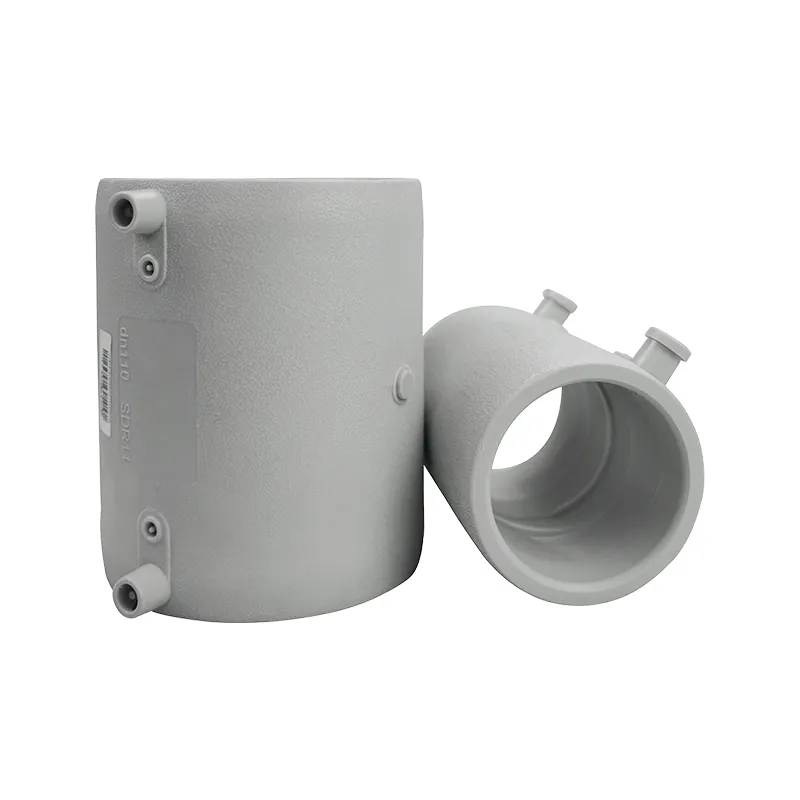
For smaller diameters or applications where butt fusion equipment may be impractical, electrofusion provides an alternative joining method. Electrofusion fittings incorporate embedded heating coils within their socket ends. When connected to an electrofusion control unit, an electric current passes through these coils, generating precisely controlled heat that melts the interface between the fitting interior and the pipe exterior. The molten material flows and fuses under thermal expansion, creating a reliable joint upon cooling. The process parameters—including fusion time, voltage, and cooling duration—are optimized for each fitting size and SDR rating, with modern electrofusion control units automatically reading barcode or RFID data from the fitting to set the correct welding protocol.
The engineering significance of both fusion methods is that they eliminate the primary failure points in traditional piping systems: mechanical joints. In conventional systems using flanged, threaded, or compression connections, each joint represents a potential leak path and a point of increased hydraulic friction. HDPE fusion joints, by contrast, produce a continuous internal bore with no reduction in cross-sectional area, minimizing turbulence and pressure loss at elbows. The 45° elbow, for instance, provides a gradual directional transition that inherently generates less flow disturbance than a 90° elbow, making it preferable for applications where energy efficiency is paramount.
Applications Across Key Sectors in India
Urban and Rural Water Supply
India's ambitious water infrastructure programs—including the Jal Jeevan Mission and various state-level water supply schemes—have created sustained demand for HDPE piping components. HDPE elbow fittings are integral to water distribution networks, facilitating directional changes at street corners, building entry points, and distribution nodes. The material's corrosion resistance ensures that water quality remains uncompromised, as HDPE does not rust, scale, or leach harmful substances into potable water supplies.
The Indian government's Central Water Supply scheme has specifically increased the requirement for HDPE pipes and their components, with the HDPE piping industry in India anticipated to generate USD 233.5 million by 2026, growing at a CAGR of 5.6%. This growth is further fueled by urbanization and the development of smart cities, where municipalities prioritize leak-detection-ready piping and long-life infrastructure solutions.
Agricultural Irrigation
Agriculture remains a cornerstone of the Indian economy, and HDPE elbow fittings play a vital role in modern irrigation systems. Drip irrigation networks, sprinkler systems, and command area distribution pipelines all rely on HDPE elbows to route water efficiently across agricultural landscapes. The Indian government's Pradhan Mantri Krishi Sinchayee Yojana (PMKSY) and increased emphasis on water conservation have driven substantial adoption of HDPE piping in the agricultural sector.
HDPE's flexibility is particularly valuable in agricultural applications where pipelines may traverse uneven terrain. The material's ability to accommodate ground movement without cracking—combined with its resistance to fertilizers, soil chemicals, and UV radiation when properly stabilized—makes it ideal for both surface and sub-surface irrigation networks.
Gas Distribution
India's "One Nation, One Gas Grid" initiative and the expansion of city gas distribution (CGD) networks have opened significant opportunities for HDPE piping systems in the energy sector. HDPE elbow fittings used in gas applications are typically manufactured from PE100 material and are rated according to specific SDR requirements—commonly SDR 11 for PN 10 gas service and SDR 17 for PN 6 gas service. The fusion-welded joints inherent to HDPE systems eliminate the risk of gas leakage at mechanical connections, a critical safety consideration in urban gas distribution.
Industrial Fluid Handling
In industrial settings—including chemical processing, mining, steel mills, and manufacturing—HDPE elbow fittings provide reliable performance in transporting corrosive fluids, slurries, and process water. The material's exceptional chemical resistance to acids, alkalis, and various solvents surpasses that of most alternative piping materials, making it the preferred choice for industrial chemical transport. The smooth internal surface of HDPE fittings also resists scale buildup, maintaining flow efficiency over decades of service.
Sewerage and Drainage
Municipal sewerage systems and stormwater drainage networks increasingly specify HDPE fittings for their combination of chemical resistance, leak-proof joints, and structural flexibility. In India's monsoon-prone regions, where ground movement and water table fluctuations are common, HDPE's ability to withstand soil settlement without joint failure provides a significant advantage over rigid piping materials.
Why Custom HDPE Elbow Fittings Matter for the Indian Market
The Indian market presents unique requirements that standardized, off-the-shelf fittings cannot always satisfy. Custom HDPE elbow fittings address several critical needs:
Non-Standard Angles and Dimensions: While 45° and 90° elbows are the most common configurations, complex infrastructure projects may require elbows at 15°, 30°, or other non-standard angles to accommodate site-specific routing constraints. Manufacturers offering custom fabrication capabilities can produce elbows tailored to these precise specifications.
Project-Specific SDR and Pressure Ratings: Different applications demand different pressure ratings. A municipal water transmission main may require SDR 11 (PN 16) fittings, while a low-pressure irrigation lateral may function perfectly with SDR 26 (PN 6.3) fittings. Custom manufacturing allows procurement teams to match fitting specifications exactly to project requirements, optimizing both performance and cost.
Color Coding and Identification: Indian standards and project specifications often require color-coded fittings for easy identification of different utility lines—blue for potable water, yellow for gas, orange for telecommunications ducts, and green for sewerage. Custom color production enables compliance with these identification requirements.
Branding and OEM Requirements: For large-scale government tenders and institutional procurement, manufacturers can provide custom embossing, laser marking, or sticker-based branding on fittings, ensuring traceability and compliance with project documentation requirements.
Competitive Landscape Analysis
Major Competitors in the Indian HDPE Fittings Market
The Indian HDPE pipes and fittings market is characterized by a mix of established domestic manufacturers, international players, and a growing number of regional producers. Understanding the competitive landscape is essential for procurement professionals seeking the optimal balance of quality, customization, and cost.
Domestic Leaders:
Jain Irrigation Systems is one of India's foremost manufacturers of HDPE piping solutions, with a strong presence in agricultural and water infrastructure markets. The company's extensive manufacturing capacity and distribution network make it a benchmark competitor.
Supreme Industries and Finolex Industries are major Indian pipe manufacturers that have diversified into HDPE fittings. Their established brand recognition and widespread dealer networks provide significant market reach.
Prince Pipes and Fittings Limited (PPFL) has been expanding its manufacturing footprint, recently opening its eighth manufacturing site in Begusarai, Bihar, to strengthen its presence in the high-growth eastern Indian market.
Astral Limited (including Astral Poly Technik) is recognized for its advanced manufacturing capabilities and product innovation in the plastic piping sector.
Vectus Industries and Nandi Group are significant competitors with substantial market share in specific regional markets and application segments.
International Players with Indian Presence:
Aliaxis operates globally and maintains a presence in the Indian market, bringing international manufacturing standards and technical expertise.
Uponor (now part of Georg Fischer) provides high-performance piping solutions, though its primary focus remains on European and North American markets.
JM Eagle and Chevron Phillips Chemical Company are major global HDPE pipe manufacturers whose products reach the Indian market through distribution partnerships and imports.
Regional and Specialized Manufacturers:
India's manufacturing ecosystem includes numerous regional players—particularly concentrated in Gujarat, Maharashtra, Rajasthan, and Tamil Nadu—that offer competitive pricing and regional availability. Companies such as Godavari Polymers, Parvati Agro Plast, and various smaller manufacturers serve localized markets with customized solutions.
Comparative Analysis: HDPE vs. Alternative Materials
When evaluating HDPE elbow fittings against competing materials, several key differentiators emerge:
| Criterion | HDPE | PVC | Ductile Iron (DI) |
|---|---|---|---|
| Joint Integrity | Fusion-welded, leak-proof, monolithic | Solvent-cemented or gasketed; potential leak paths at joints | Mechanical joints with gaskets; susceptible to loosening over time |
| Corrosion Resistance | Excellent; inert to most chemicals | Good, but susceptible to certain solvents | Requires internal lining and external coating; susceptible to corrosion if coating damaged |
| Flexibility | High; accommodates ground movement | Rigid; brittle under impact or cold conditions | Rigid; minimal flexibility |
| Service Life | 50+ years | 25–40 years | 50–75 years (with proper maintenance) |
| Installation Cost | Moderate; requires fusion equipment | Low; simple solvent welding | High; heavy equipment needed for handling and jointing |
| Weight | Lightweight | Lightweight | Heavy; requires mechanical handling equipment |
| Temperature Range | -40 °C to +60 °C | 0 °C to +60 °C | -30 °C to +80 °C |
| Initial Material Cost | Moderate to high | Low to moderate | High |
HDPE vs. PVC: While PVC fittings offer a lower initial purchase price—often 20–40% less than comparable HDPE fittings—the total lifecycle cost analysis favors HDPE for most permanent infrastructure applications. PVC's brittleness makes it susceptible to cracking under impact, ground movement, or freeze-thaw cycling, whereas HDPE's flexibility absorbs such stresses without failure. Additionally, PVC joints rely on solvent cement or elastomeric gaskets that can degrade over time, while HDPE fusion joints maintain their integrity throughout the system's service life. However, for low-pressure, non-critical applications with constrained budgets, PVC may represent an acceptable cost compromise.
HDPE vs. Ductile Iron: Ductile iron has historically been the material of choice for large-diameter water transmission mains, and it retains advantages in high-temperature applications (up to 80 °C versus HDPE's 60 °C maximum) and in environments requiring extreme external load-bearing capacity. However, HDPE has made significant inroads due to its corrosion immunity, lower installation costs (30–40% less than traditional materials), and elimination of the ongoing maintenance associated with corrosion protection systems.
Strategic Positioning: The Case for Custom, Competitively Priced HDPE Elbow Fittings
For buyers in the Indian market, the optimal procurement strategy often involves sourcing from manufacturers that combine three key attributes:
International Quality Standards at Competitive Price Points: Manufacturers that produce HDPE elbow fittings in compliance with ISO 4427, IS 4984, and other recognized standards while maintaining cost structures suited to the Indian market offer the best value proposition. The global HDPE fittings market—valued at USD 4.56 billion in 2024 and projected to reach USD 7.32 billion by 2032 at a CAGR of 5.8%—reflects the growing recognition of HDPE's lifecycle cost advantages.
Custom Manufacturing Capability: The ability to produce non-standard angles, specialized SDR configurations, custom color requirements, and OEM-branded products allows buyers to match fittings precisely to project specifications rather than compromising with standard catalog items.
Supply Chain Reliability: With India's polyethylene pipes and fittings import market experiencing a 14.01% CAGR from 2020 to 2024—driven by imports from China, the USA, Germany, Italy, and Taiwan—procurement professionals must balance international sourcing options with the reliability and responsiveness of domestic supply chains.
Key Considerations for Indian Buyers
When procuring custom HDPE elbow fittings, Indian buyers should evaluate the following factors:
Standards Compliance: Verify that fittings meet relevant Indian standards (IS 4984) and international equivalents (ISO 4427, EN 12201-3). Certification documentation should be available upon request.
Material Certification: Require documentation confirming that fittings are manufactured from virgin PE100 or PE80 material—not regrind or recycled content—to ensure consistent mechanical properties and long-term performance.
Pressure Rating Verification: Match the fitting's SDR rating to the system's operating pressure requirements. An SDR 11 fitting is rated for PN 16 in water applications and PN 10 in gas applications; an SDR 17 fitting is rated for PN 10 in water and PN 6 in gas.
Custom Capability Assessment: For non-standard requirements, confirm the manufacturer's engineering capabilities, minimum order quantities for custom production, and lead times for specialized items.
Logistics and Delivery: Evaluate the manufacturer's distribution network, warehousing locations, and ability to deliver to project sites across India's diverse geography—from metropolitan centers to rural agricultural regions.
After-Sales Support: Consider the availability of technical support, installation guidance, and on-site training for fusion welding procedures, particularly for projects where local contractors may have limited experience with HDPE joining techniques.
916.webp)
204.webp)
659.webp)
185.webp)