321608.webp)
For homeowners living outside centralized sewer systems, septic tanks are one of the most important long-term infrastructure investments. A properly designed septic system safely handles household wastewater for decades, while a poor-quality installation can lead to expensive repairs, environmental damage, and serious health hazards. Because of this, many homeowners ask the same question before building or upgrading a property: how much does a septic tank cost?
The answer is more complicated than most people expect. Septic tank prices vary based on tank size, material, installation difficulty, soil conditions, drainage system design, local regulations, labor costs, and the quality level of the components used. A low-cost septic setup may cost only a few thousand dollars, while a premium engineered septic system can exceed tens of thousands of dollars.
This guide provides a detailed breakdown of septic tank costs, including low-quality vs high-quality system analysis, installation pricing, maintenance expenses, lifespan expectations, and professional buying recommendations.
What Is a Septic Tank?
A septic tank is an underground wastewater treatment container used in properties that are not connected to municipal sewer systems. The tank collects wastewater from:
Toilets
Sinks
Showers
Washing machines
Dishwashers
Inside the tank, solids settle to the bottom while lighter materials float to the top. The partially treated wastewater then flows into a drain field where natural soil filtration completes the treatment process.
A complete septic system usually includes:
Septic tank
Inlet and outlet pipes
Distribution box
Drain field (leach field)
Soil absorption area
Inspection ports
Ventilation system
Think of it as your home's private underground wastewater treatment plant — except it does not send you a monthly utility bill to remind you it exists.
Average Septic Tank Cost
The total cost of a septic system depends heavily on quality and project complexity.
| Septic System Type | Average Total Cost |
|---|---|
| Low-cost basic system | $3,000–$6,000 |
| Standard residential system | $6,000–$12,000 |
| High-quality engineered system | $12,000–$25,000 |
| Luxury or commercial system | $25,000–$60,000+ |
These prices typically include:
Tank
Excavation
Installation
Drain field
Labor
Basic permits
However, difficult soil conditions or advanced treatment requirements can increase pricing significantly.
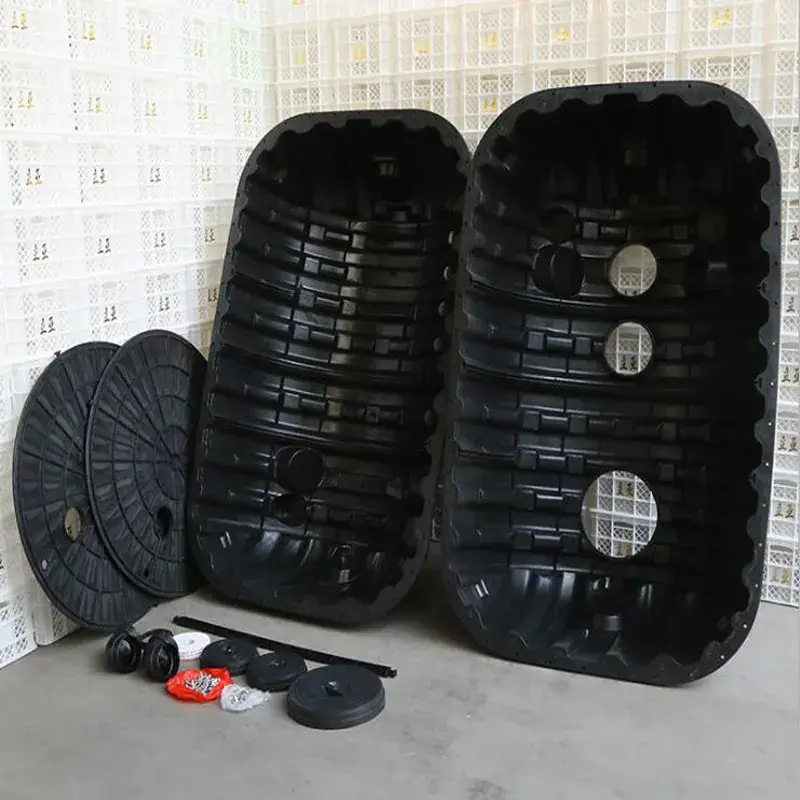
Septic Tank Cost by Material
The material used in the septic tank greatly affects durability, lifespan, and price.
Concrete Septic Tanks
Concrete tanks are among the most common choices.
Average Price
Tank only: $700–$2,500
Installed: $4,000–$12,000
Advantages
Extremely durable
Long lifespan
Heavy and stable underground
Resistant to floating
Disadvantages
Heavy transportation cost
Difficult installation
Potential cracking over decades
Lifespan
30–50 years with proper maintenance.
Concrete tanks are popular because they balance affordability and durability well.
Plastic Septic Tanks
Plastic septic tanks are lightweight and inexpensive.
Average Price
Tank only: $500–$1,500
Installed: $3,000–$8,000
Advantages
Lower cost
Easy transportation
Fast installation
Corrosion resistant
Disadvantages
Can deform under pressure
Risk of floating in high groundwater
Lower structural strength
Lifespan
15–30 years.
Plastic tanks work best in stable soil conditions and smaller residential projects.
Fiberglass Septic Tanks
Fiberglass tanks are considered premium lightweight systems.
Average Price
Tank only: $1,200–$3,000
Installed: $5,000–$15,000
Advantages
Corrosion resistant
Lightweight
Stronger than plastic
Long service life
Disadvantages
Higher initial cost
Transportation expense
Lifespan
30–40 years.
Fiberglass systems are often selected for high-end residential properties.
Steel Septic Tanks
Steel tanks were common decades ago but are now less popular.
Average Price
Installed: $3,000–$10,000
Advantages
Strong initial structure
Disadvantages
Rust problems
Short lifespan
Higher failure risk
Lifespan
15–25 years.
Most professionals now recommend avoiding steel tanks for long-term installations.
Septic Tank Cost by Size
Larger households require larger septic tanks.
| Tank Size | Typical Home Size | Average Installed Cost |
| 750 gallons | Small cabin | $3,000–$5,000 |
| 1,000 gallons | 2–3 bedroom home | $4,000–$8,000 |
| 1,250 gallons | 4-bedroom home | $6,000–$10,000 |
| 1,500 gallons | Large family home | $8,000–$15,000 |
| 2,000+ gallons | Commercial or luxury home | $15,000–$40,000+ |
Oversized systems generally last longer because they process waste more efficiently.
463618982.webp "250-gallon-septic-tank (3)463618982.webp")
High-Quality vs Low-Quality Septic Systems
One of the biggest mistakes homeowners make is focusing only on upfront price.
Low-Quality Septic Systems
Typical Cost
$3,000–$6,000
Characteristics
Thin plastic tanks
Minimal drainage area
Cheap piping materials
Inexperienced contractors
Poor soil analysis
Limited filtration
Risks
Frequent backups
Drain field failure
Cracking
Soil contamination
Short lifespan
Expensive repairs
Low-cost systems often become expensive later due to maintenance and replacement costs.
High-Quality Septic Systems
Typical Cost
$12,000–$25,000+
Characteristics
Premium concrete or fiberglass tanks
Professional engineering design
Proper drainage field sizing
Advanced filtration
Durable piping
Thorough soil testing
Advantages
Longer lifespan
Lower maintenance costs
Better wastewater treatment
Increased property value
Improved environmental protection
A quality septic system can operate efficiently for decades with proper care.
Drain Field Costs
The drain field is one of the most expensive parts of a septic system.
Average Cost
$2,000–$15,000
Drain field pricing depends on:
Soil quality
Property size
Drainage capacity
Local codes
System type
429535674.webp "smc-septic-tank (5)429535674.webp")
Conventional Drain Fields
Cost
$2,000–$8,000
Most affordable option for suitable soil.
Engineered Drain Fields
Cost
$8,000–$20,000+
Required in difficult soil or environmentally sensitive areas.
Mound Systems
Cost
$10,000–$25,000
Used when natural drainage conditions are poor.
These systems elevate the drainage area above ground level.
Aerobic Septic Systems
Aerobic systems use oxygen to improve wastewater treatment.
Average Cost
$10,000–$25,000
Advantages
Higher treatment efficiency
Smaller drain field requirement
Better environmental performance
Disadvantages
Higher maintenance
Electrical power required
More mechanical components
These systems are common in environmentally regulated areas.
Installation Labor Costs
Labor is a major portion of septic system pricing.
| Installation Task | Average Cost |
| Excavation | $1,000–$5,000 |
| Tank placement | $500–$2,000 |
| Pipe installation | $1,000–$3,000 |
| Drain field construction | $2,000–$10,000 |
| Soil testing | $300–$1,500 |
| Permit fees | $200–$2,000 |
Labor costs rise significantly in rocky or difficult terrain.
Factors That Affect Septic Tank Cost
Soil Conditions
Poor drainage soil requires advanced engineering.
Difficult soil types include:
Clay
Rocky terrain
High groundwater areas
Good sandy soil generally lowers costs.
Property Size
Larger homes require:
Bigger tanks
Larger drain fields
Higher capacity systems
Local Regulations
Many regions require:
Environmental permits
Inspection reports
Engineering approval
Strict regulations increase installation expenses.
Accessibility
Remote or difficult-to-access properties raise excavation and transportation costs.
Water Usage
Homes with:
Large families
Multiple bathrooms
Heavy laundry usage
need larger systems.
Septic Tank Maintenance Costs
Installing a septic system is only part of the long-term expense.
Pumping Costs
Septic tanks should usually be pumped every 3–5 years.
Average Cost
$250–$700
Larger tanks cost more to pump.
Inspection Costs
Average Cost
$100–$500
Routine inspections help prevent major failures.
Repair Costs
Minor repairs:
$500–$3,000
Major drain field replacement:
$5,000–$25,000+
A failed drain field can become one of the most expensive home infrastructure repairs.
102322711.webp "plastic-septic-tank (4)102322711.webp")
How Long Does a Septic Tank Last?
Lifespan depends heavily on:
Material quality
Installation quality
Maintenance habits
Soil conditions
Water usage
| Septic Tank Type | Average Lifespan |
| Concrete | 30–50 years |
| Fiberglass | 30–40 years |
| Plastic | 15–30 years |
| Steel | 15–25 years |
Proper maintenance greatly extends system lifespan.
Signs of Septic Tank Problems
Homeowners should watch for:
Slow drains
Sewage odors
Standing water
Gurgling pipes
Lush grass over drain field
Frequent backups
Ignoring early warning signs often leads to expensive failures.
Can a Cheap Septic System Become Expensive?
Absolutely.
Low-quality septic systems often create:
Frequent pumping needs
Drain field saturation
Pipe failures
Soil contamination
Legal violations
Property damage
A cheap installation may save money initially but cost far more over time.
This is similar to buying the absolute cheapest umbrella during hurricane season. Technically, you own an umbrella. Functionally, nature disagrees.
Septic Tank Cost for Different Property Types
Small Cabin or Tiny House
Typical Cost
$3,000–$7,000
Smaller wastewater demand reduces system size.
Standard Family Home
Typical Cost
$6,000–$15,000
Most common residential septic installation category.
Luxury Home
Typical Cost
$15,000–$40,000+
Luxury properties often require:
Multiple tanks
Advanced treatment
Larger drain fields
Commercial Buildings
Typical Cost
$20,000–$100,000+
Restaurants and hotels require large engineered systems.
321650773.webp "smc-septic-tank (1)321650773.webp")
Septic Tank vs Sewer Connection Cost
Some homeowners compare septic installation to municipal sewer connection.
| System Type | Typical Cost |
| Septic system | $6,000–$20,000 |
| Sewer hookup | $3,000–$30,000 |
Urban sewer connections may involve:
Street excavation
Municipal fees
Utility permits
In rural areas, septic systems are often the only practical solution.
Tips for Buying a Septic System
Do Not Choose Based Only on Price
The cheapest system rarely provides the best value.
Hire Licensed Contractors
Professional installation is critical for long-term reliability.
Conduct Proper Soil Testing
Soil analysis prevents costly design mistakes.
Verify Local Regulations
Permits and code compliance matter.
Use Quality Materials
Premium tanks and piping reduce long-term repair risk.
Plan for Future Capacity
A slightly larger system may improve lifespan and resale value.
Environmental Impact of Septic Systems
Properly functioning septic systems:
Protect groundwater
Reduce pollution
Safely process waste
Poor-quality systems can contaminate:
Wells
Rivers
Lakes
Soil
Environmental regulations are becoming stricter worldwide, increasing demand for advanced septic technology.
Final Thoughts
So, how much does a septic tank cost?
For most residential homes, septic system costs range between $6,000 and $15,000, while premium engineered systems can exceed $25,000 or more. The final price depends on tank material, property conditions, installation complexity, and overall system quality.
Low-quality septic systems may appear attractive due to lower upfront pricing, but they often lead to expensive repairs, environmental risks, and reduced lifespan. High-quality systems cost more initially but deliver greater durability, efficiency, and long-term value.
Homeowners should treat septic systems as critical infrastructure rather than a simple construction expense. A properly designed and professionally installed septic system can operate reliably for decades, protect property value, and reduce future maintenance costs.
In the end, the best septic system is not necessarily the cheapest one — it is the one that balances quality, safety, durability, and long-term operating cost most effectively.
If you contact our Septic Tank factory in China directly, the price will be much cheaper. This will save you money on your Septic Tank costs.
916.webp)
204.webp)
659.webp)
185.webp)
312.webp)
849.webp)
587.webp)
767.webp)