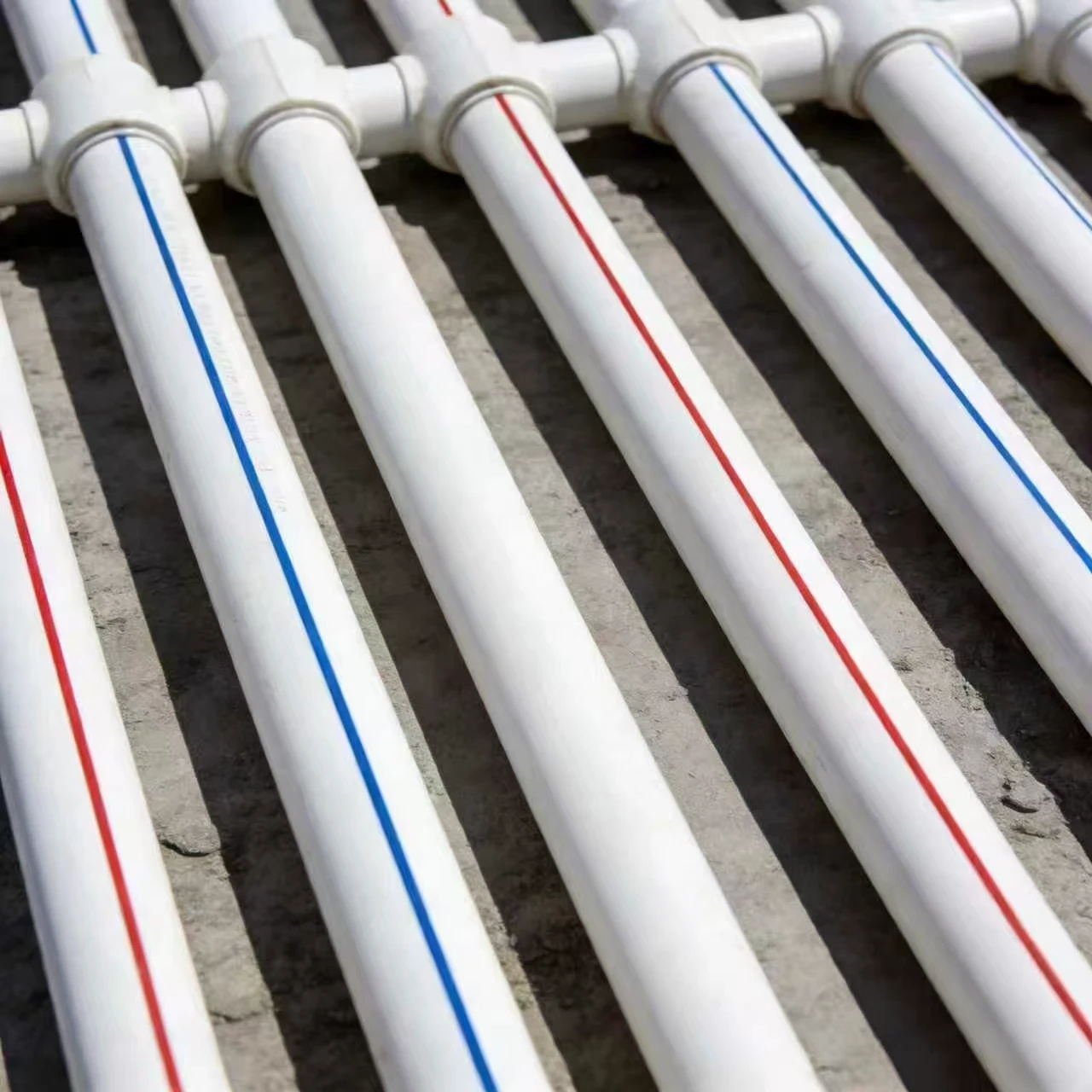
PPR (Polypropylene Random Copolymer) water pipes have become a popular choice for modern plumbing systems due to their excellent durability, corrosion resistance, and ease of installation. However, selecting the right PPR water pipe can be confusing, especially for homeowners who are new to plumbing materials. This comprehensive guide will explain how to choose high-quality PPR pipes, consider pipe sizes, evaluate pipe quality, understand installation techniques, and be aware of potential limitations. By the end of this guide, you will be confident in choosing the right PPR pipes for your home or project.
1. Understanding PPR Water Pipes
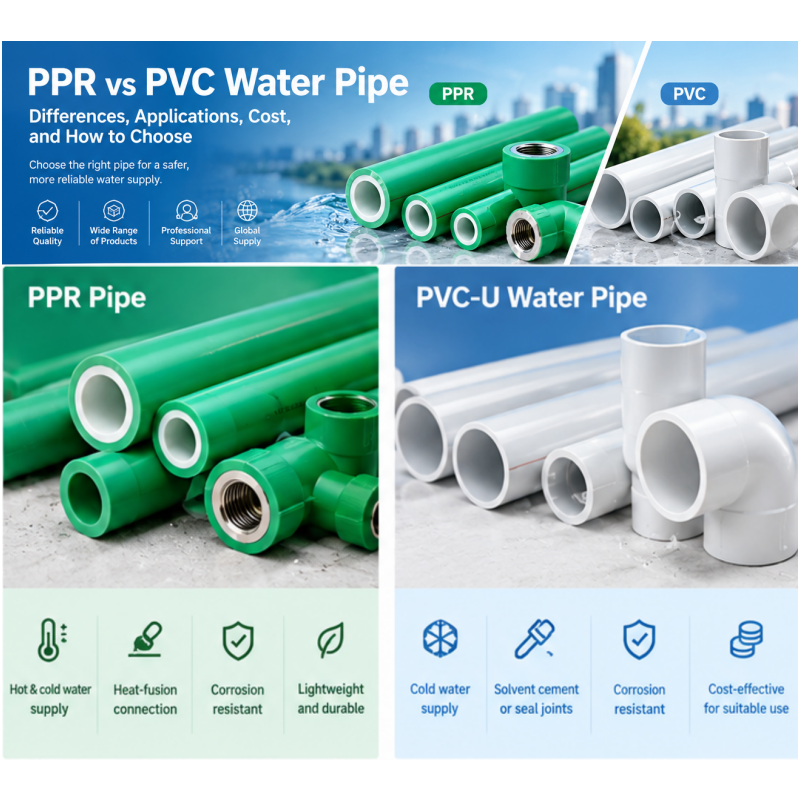
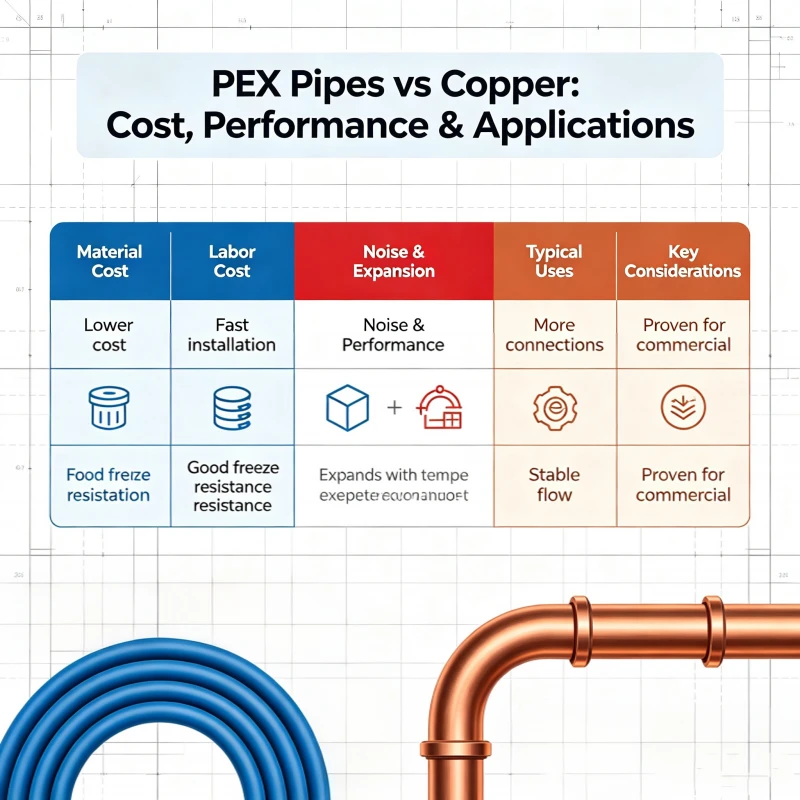
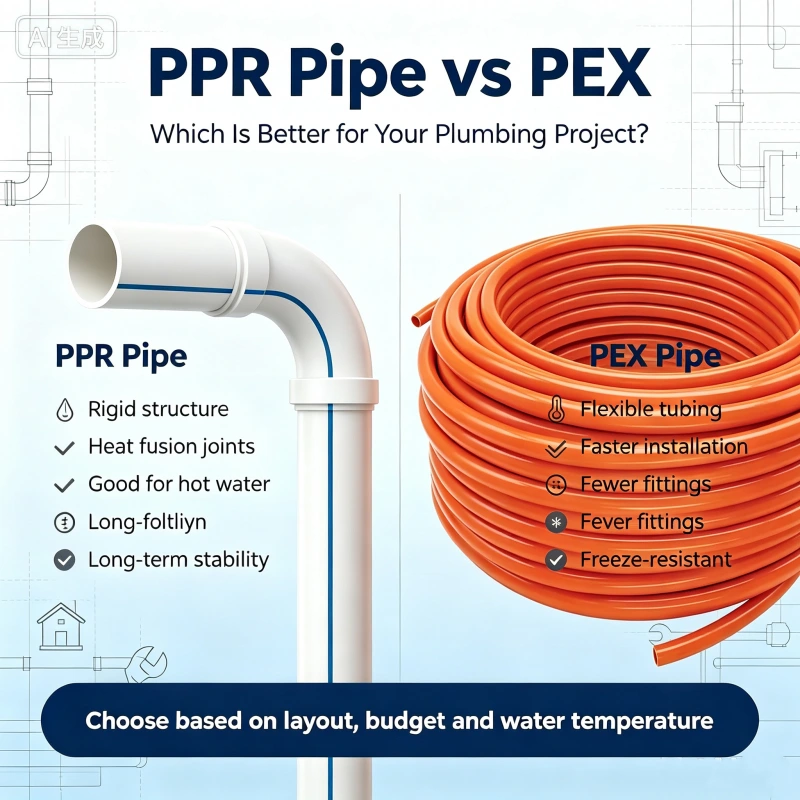
PPR water pipes are made from polypropylene random copolymer material, known for its excellent resistance to heat, pressure, and corrosion. They are commonly used in residential, commercial, and industrial water supply systems, including hot and cold water pipelines. Compared with traditional materials like PVC or copper, PPR pipes offer several advantages:
Long lifespan (up to 50 years under proper conditions)
Smooth inner walls reducing water friction and preventing scale accumulation
Safe and environmentally friendly material, suitable for drinking water
Lightweight, making handling and installation easier
Resistance to chemical corrosion and biofilm formation
Despite their advantages, PPR pipes also have some limitations, such as maximum operating temperature and the need for proper installation practices. Understanding these factors will help you make informed choices.
2. Consider the Right Pipe Size
Selecting the correct pipe size is crucial for ensuring sufficient water flow and proper pressure in your plumbing system. PPR pipes come in various diameters, commonly ranging from 16mm to 110mm for residential use, and even larger for industrial or municipal applications.
Pipe Wall Thickness
Currently, PPR pipes are typically available with wall thicknesses of 2.8mm and 3.4mm. Many distributors claim that thicker walls provide higher pressure resistance. While this is generally true, reputable manufacturers test even the 2.8mm pipes to meet national standards. Therefore, thinner-walled pipes can still provide safe and reliable service.
Impact on Water Flow
One key factor to note is that thicker walls reduce the internal diameter of the pipe, which can slightly decrease water flow. Therefore, selecting the right wall thickness depends not only on pressure requirements but also on desired flow rates.
Tip: For main supply lines with high water demand, slightly thicker pipes may be appropriate. For branch lines with moderate flow, thinner pipes can be sufficient and more cost-effective.
3. How to Evaluate Pipe Quality
When selecting PPR pipes, the quality of the pipe and its fittings is paramount. Here’s what to look for:
Surface Finish
High-quality PPR pipes have smooth surfaces and clearly printed markings, including brand name, size, standard compliance, and pressure rating. Poor-quality pipes often lack clear markings or have uneven surfaces.
Material Composition
Premium PPR pipes are made from 100% imported PPR raw material, ensuring consistent strength, flexibility, and heat resistance. Inferior pipes often contain only partial PPR material, mixed with lower-quality plastics. This can significantly affect performance, especially in hot water applications.
Flexibility and Strength
A quality PPR pipe is flexible yet strong. It can bend into a loop without cracking and maintains its rigidity at high temperatures. In contrast, low-quality pipes are brittle, easily cracking when bent, and may soften at temperatures around 60°C.
Tip: When possible, request sample pieces for hands-on evaluation. Bend, heat, and inspect the pipe to check flexibility and durability.
4. Understanding Installation Practices
Proper installation of PPR pipes is critical to ensure long-term performance. Even high-quality pipes can fail if installed incorrectly. Key considerations include:
Trench and Pipe Placement
Follow the "horizontal and vertical alignment" principle. When laying pipes in floor slabs or underground, dig trenches wider than the pipe diameter to allow for safe placement. Avoid forcing pipes into tight spaces or bending them around sharp corners without fittings.
Joining Pipes
All PPR pipe connections should be done using hot-melt welding (fusion welding). This technique fuses the pipe and fitting into a single, leak-proof unit. Ensure you follow a step-by-step process:
1. Cut the pipe ends squarely.
2. Heat the pipe and fitting with the correct temperature welding tool.
3. Join and hold for the recommended cooling time.
Testing
After installation, conduct a pressure test for at least 24 hours (or longer if possible) to ensure there are no leaks. Only after confirming no leaks should the pipe be buried or covered.
Use of Fittings
Because PPR pipes cannot be bent significantly without breaking, long runs or multiple turns require fittings like elbows, tees, and couplers. Do not attempt to bend pipes directly around corners.
5. Be Aware of Limitations
While PPR pipes offer excellent overall performance, there are some limitations to keep in mind:
Temperature Limitations: The long-term operating temperature should not exceed 70°C. Exposure to higher temperatures can reduce pipe life.
Pipe Lengths: Each PPR pipe has a limited length (typically 4m to 6m). Longer runs require multiple connections.
Pressure Limits: Although PPR pipes meet national standards, extremely high-pressure systems may require thicker walls or alternative materials.
Cost of Fittings: While the pipe material itself is relatively inexpensive, fittings can be more costly. Plan your budget accordingly.
Despite these limitations, PPR pipes remain one of the most cost-effective and reliable solutions for household water supply systems.
6. Additional Tips for Choosing PPR Pipes
1. Check Certifications: Look for national or international standards certification marks on the pipe and packaging.
2. Choose Reputable Brands: Established brands are more likely to provide consistent quality and after-sales support.
3. Consider Water Quality: Hard water or high mineral content may require regular maintenance or pipe selection accordingly.
4. Storage Conditions: Store pipes in a shaded, ventilated area to avoid UV damage before installation.
5. Plan Your Plumbing Layout: Minimize the number of joints and elbows to reduce potential leak points and pressure drops.
Selecting the right PPR water pipe involves careful consideration of pipe size, wall thickness, quality, installation practices, and limitations. By choosing certified, high-quality pipes and following proper installation procedures, you can enjoy a reliable, long-lasting, and safe water supply system. PPR pipes combine cost-effectiveness, ease of installation, and durability, making them a preferred choice for modern homes.
916.webp)
204.webp)
659.webp)
185.webp)
312.webp)
849.webp)
587.webp)
767.webp)