In many building projects, water supply and drainage systems are not visible after construction is completed. However, once problems occur—such as leakage, pipe bursts, or blockages—the cost of repair can be extremely high, especially in regions where maintenance resources are limited.
This is a common challenge in Africa and Southeast Asia. Projects in these regions often face high temperatures, strong UV exposure, heavy rainfall, and inconsistent construction conditions. At the same time, most projects operate under strict budget constraints, making cost control a top priority.
Because of this, pipe selection should never be based on price alone. A cheaper pipe may reduce initial investment, but if it fails prematurely, it can lead to higher maintenance costs, water loss, and even damage to the building structure.
The key to making the right decision is simple:
choose pipe materials based on actual application conditions, not assumptions.
Understanding Real Project Needs Before Choosing Materials
One of the most common mistakes in building projects is trying to use a single type of pipe for the entire system. While this may simplify procurement, it often creates long-term risks.
A typical building water system includes indoor water supply, drainage systems, and underground pipelines. Each of these operates under very different conditions—temperature, pressure, exposure to sunlight, and installation constraints.
Indoor water systems, for example, must handle both cold and hot water, requiring materials that are safe, stable, and resistant to high temperatures. Drainage systems, on the other hand, deal with wastewater and chemicals, making corrosion resistance and cost efficiency more important than temperature resistance. Underground pipelines must withstand soil pressure, ground movement, and long-term environmental stress, often with limited access for maintenance.
Because of these differences, the most reliable approach is not to look for a “universal pipe,” but to combine materials strategically based on function.
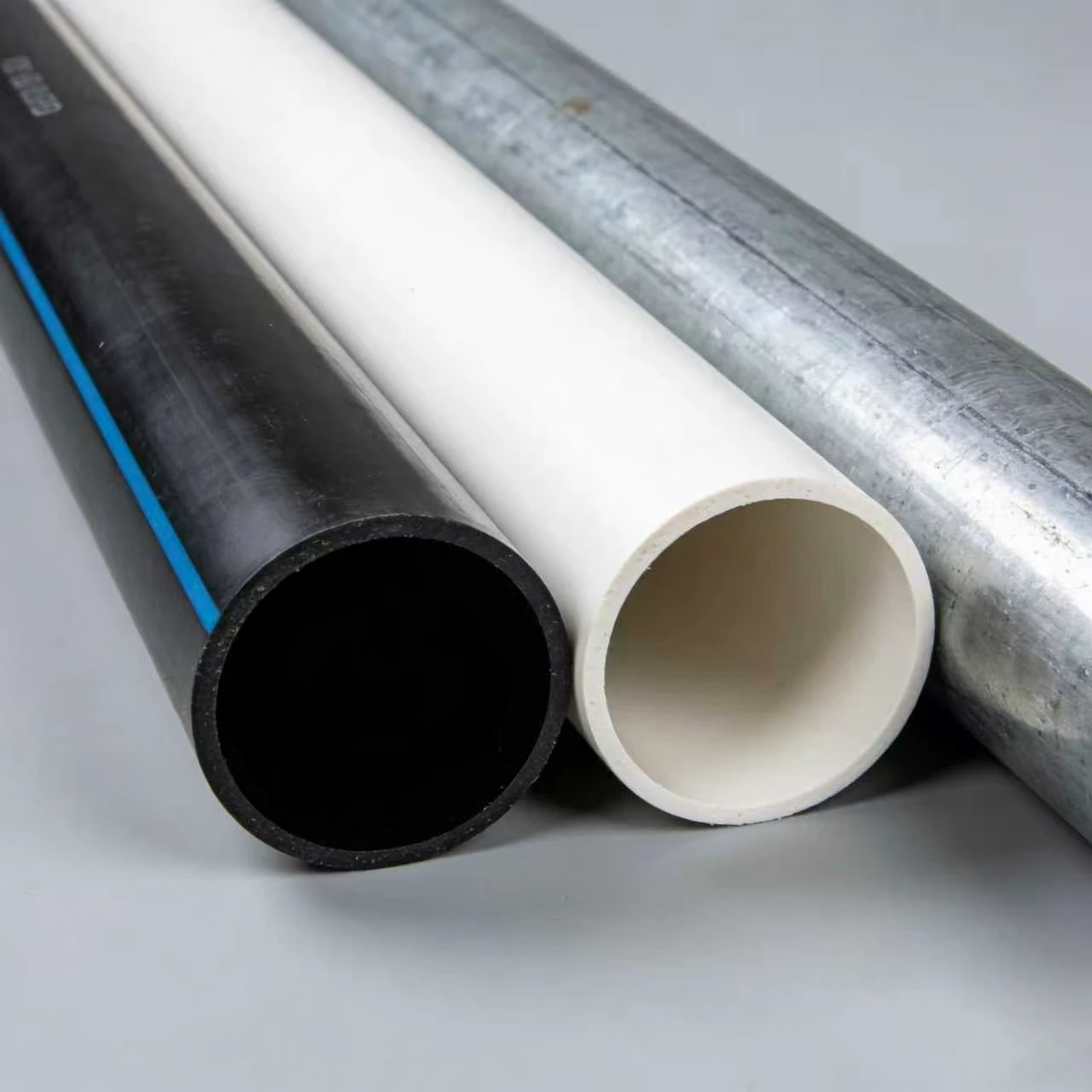
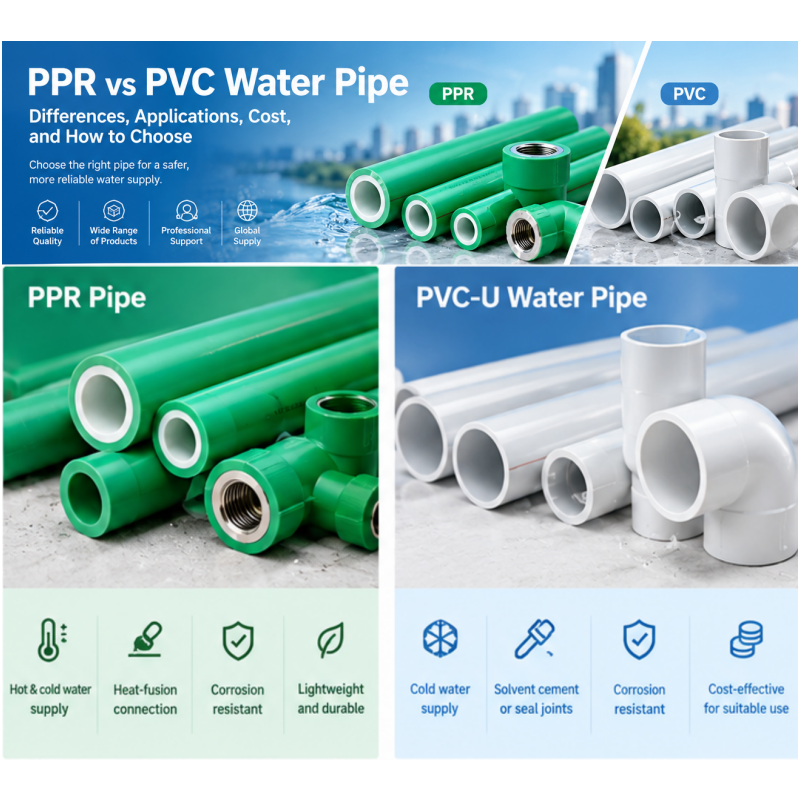
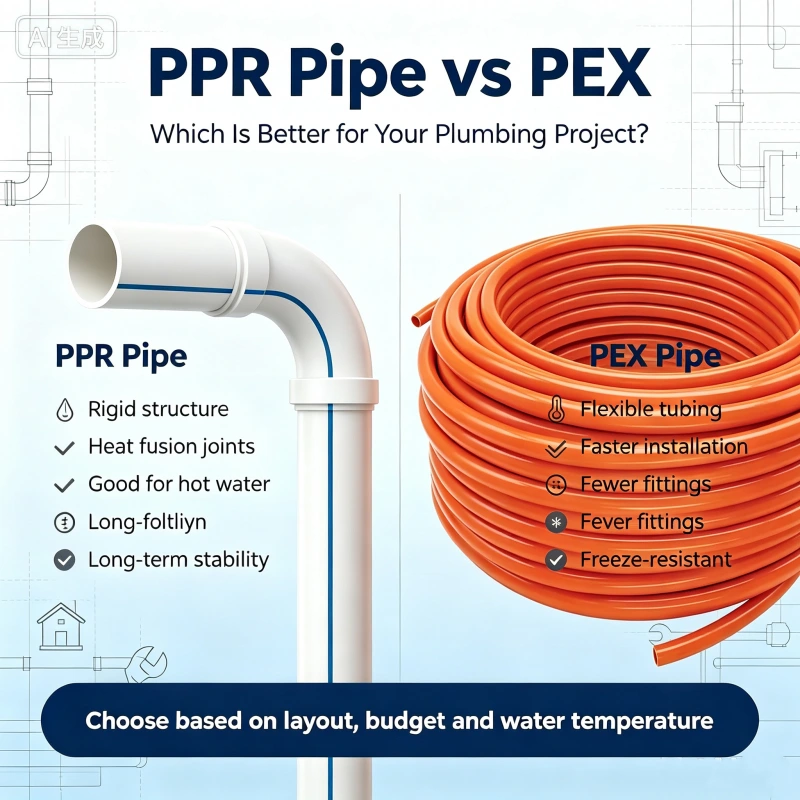
For indoor water supply, PPR pipes are widely used due to their excellent heat resistance and hygienic properties. Their heat fusion connection technology creates a leak-proof system, which is particularly important in residential and commercial buildings.
For drainage systems, UPVC pipes are often the most practical solution. They are lightweight, easy to install, and highly resistant to chemical corrosion, making them ideal for large-scale projects where cost efficiency is critical.
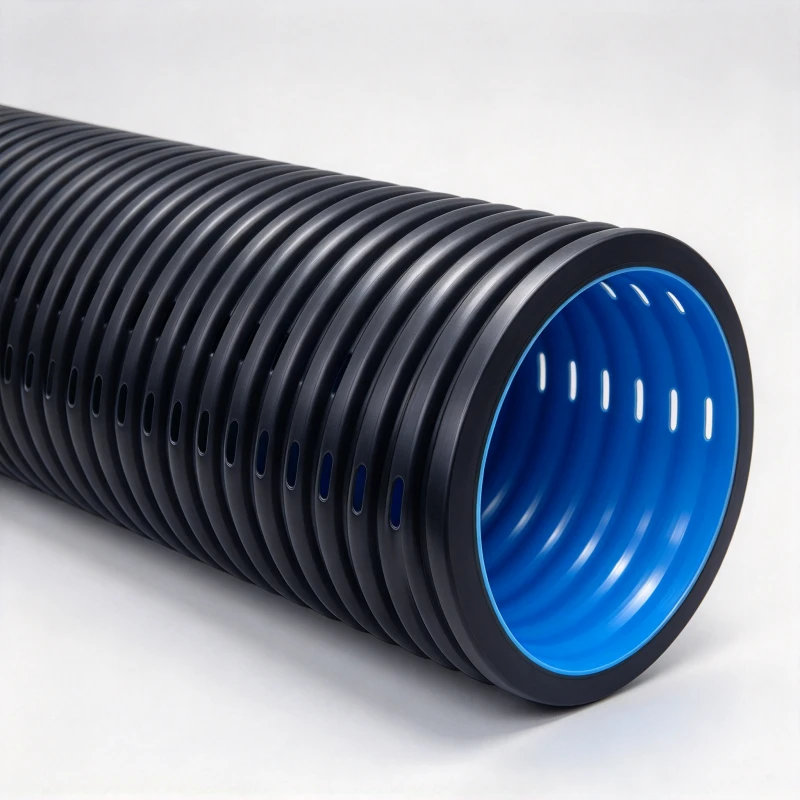
For underground and external applications, HDPE pipes provide unmatched durability. Their flexibility allows them to adapt to ground movement without cracking, and their long service life makes them especially suitable for infrastructure projects in Africa where maintenance can be challenging.
Balancing Cost, Installation, and Long-Term Reliability
In developing markets, controlling costs is always a priority. However, experienced buyers understand that the lowest price does not always mean the lowest overall cost.
Instead of focusing only on the purchase price, it is more effective to evaluate the total lifecycle cost of the piping system. This includes not only material costs, but also installation efficiency, maintenance frequency, and expected service life.
For example, while UPVC pipes offer the lowest initial cost, they are best suited for drainage rather than high-pressure or high-temperature applications. HDPE pipes may require a higher upfront investment, but their durability and resistance to environmental stress can significantly reduce long-term maintenance costs. PPR pipes, although slightly more expensive than basic materials, provide excellent performance in indoor water systems, reducing the risk of leakage and ensuring long-term reliability.
Installation conditions should also be carefully considered. In regions where skilled labor or specialized equipment is limited, selecting materials that are easier to install can reduce project delays and errors. A technically superior pipe may still fail if it is not installed correctly.
Ultimately, the most cost-effective solution is one that balances material performance, installation feasibility, and long-term durability.
The Best Solution Is a Smart Combination, Not a Single Choice
There is no single pipe material that can meet all requirements in a building water system. The most successful projects are those that use the right material in the right place.
A practical and widely proven approach is to combine different materials: using PPR pipes for indoor water supply, UPVC pipes for drainage systems, and HDPE pipes for underground and external applications. This strategy not only improves system performance but also optimizes overall project costs.
For contractors, distributors, and project owners in Africa and Southeast Asia, this approach offers a reliable balance between affordability and long-term performance. It reduces risks, minimizes maintenance, and ensures that the system remains stable for years after installation.
If you are planning a project and are unsure how to choose the right pipe system, working with an experienced supplier can make a significant difference. A professional recommendation based on your specific project conditions can help you avoid costly mistakes and achieve better results.
916.webp)
204.webp)
659.webp)
185.webp)
312.webp)
849.webp)
587.webp)
767.webp)