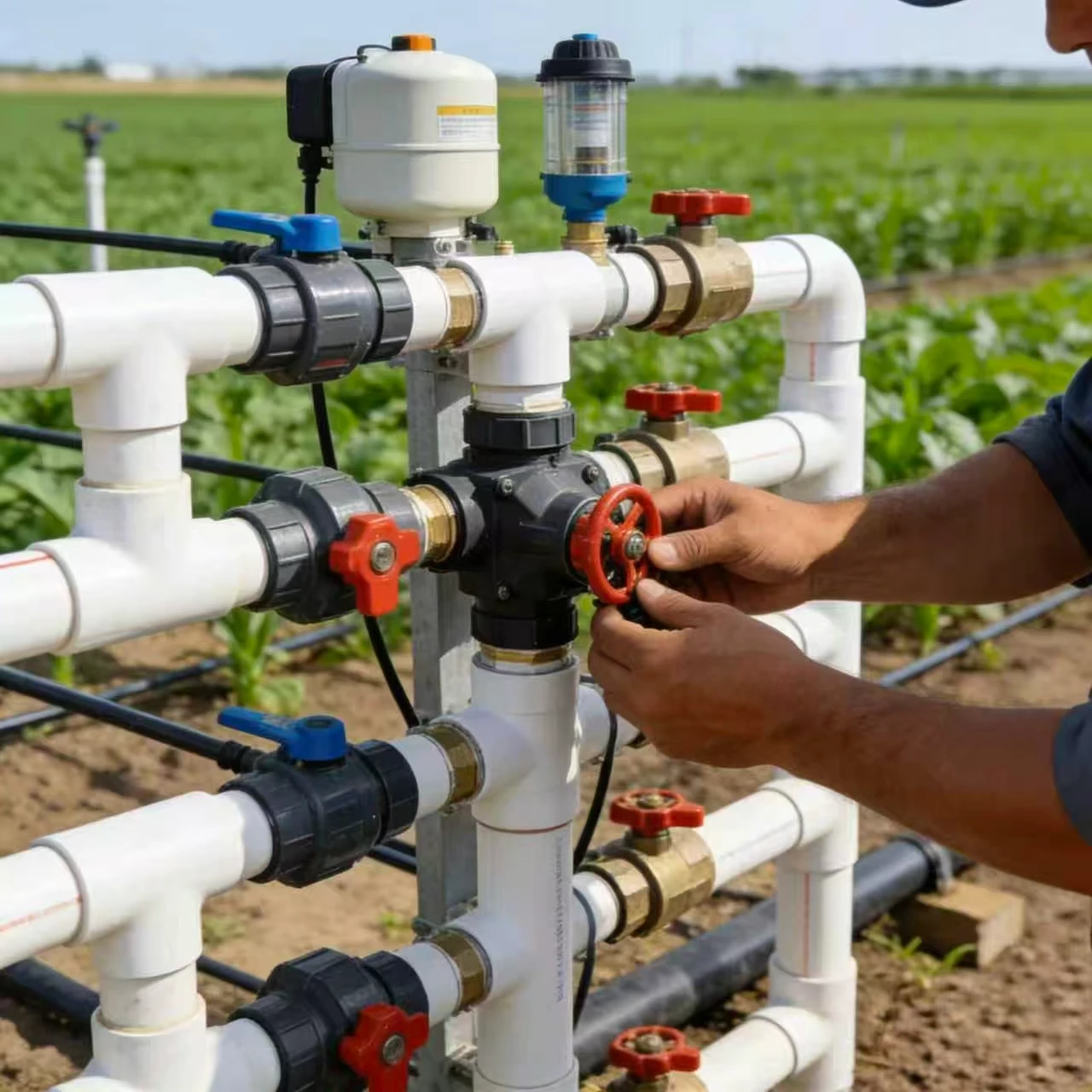
Installation Location
As the control core of a micro-irrigation system, the valve's installation location must consider ease of operation, maintenance feasibility, and daily management efficiency. Key installation points include the head of the main pipe (near the water source), the inlet of branch pipes, and the control points for each plot. This facilitates individual control of irrigation in each area and also allows for convenient later inspection, flushing, and maintenance, avoiding operational inconvenience or maintenance difficulties due to improper valve placement.
Special attention should be paid to arranging valves along both sides of roads whenever possible. This arrangement significantly improves the convenience of later inspection and management—on the one hand, it facilitates daily inspections by staff, allowing for quick checks of valve operation without having to go deep into the fields, reducing inspection time and labor intensity; on the other hand, the relatively open space around roads facilitates the transport and operation of maintenance equipment, avoiding maintenance inconvenience caused by crop obstruction or complex terrain, and also reducing the risk of valve damage during agricultural machinery operations.
Installation Steps
2.1 Pre-installation Preparations
Two key preparatory tasks must be completed before installation: First, clean the valve interfaces thoroughly, removing impurities, oil, rust, etc., to prevent impurities from affecting the sealing effect or damaging the internal valve components. Second, verify the water flow direction of the valve. Each valve will be clearly marked with the water flow direction (an arrow mark printed on the valve body). Specialized training must be provided to installation workers before installation, clarifying the correspondence between the arrow mark and the water flow direction in the pipeline, and explaining the dangers of incorrect installation (such as valve failure, obstructed water flow, damage to internal seals, etc.). This ensures that every installer can accurately identify and determine the water flow direction, avoiding installation errors from the outset.
2.2 Interface Connection Operation
Valve connections are mainly divided into flange connections and threaded connections. The appropriate method should be selected based on the pipe diameter and application scenario: For large-diameter valves (usually DN≥50), flange connections are used. When connecting, a suitable sealing gasket must be installed at the flange interface to ensure a tight seal. When tightening bolts, use a diagonal and even tightening method, gradually tightening in multiple stages to avoid uneven force that could lead to interface deformation and leakage. Also, pay attention to the flatness of the flange surface to avoid affecting the sealing effect due to flange misalignment.
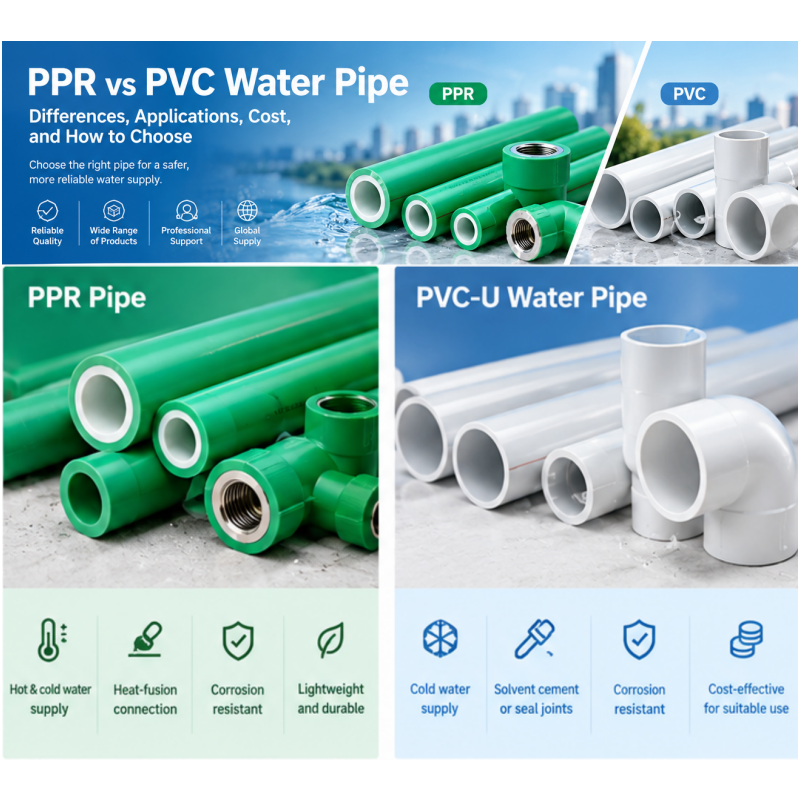
For main and branch pipes, during construction, the appropriate connection method should be selected based on the pipe material (e.g., steel pipe, PE pipe, PVC pipe, etc.) and the actual application scenario to ensure a firm and tight seal, while also considering the convenience of future maintenance.
2.3 Post-Installation Commissioning
After installation, the valve should be kept horizontal with the valve handle facing upwards for easy identification and operation by the operator. Sufficient operating space should be provided (it is recommended to leave an operating distance of no less than 15cm) to avoid obstruction by other equipment or pipes, which could affect later operation, maintenance, and repair. After installation, a water test is required to check for leaks at the interfaces and the smooth operation of valves. Only proceed to the next step after confirming there are no abnormalities.
Installation and Requirements of Supporting Equipment
3.1 Supporting Equipment at the Main Pipeline
Head A filter (mesh/disc type) and a fertilizer applicator must be installed simultaneously at the main pipeline head. The installation sequence must strictly follow "valve → filter → fertilizer applicator." The filter is crucial for preventing clogging of the irrigation system, effectively filtering sediment and impurities from the water and protecting the normal operation of the irrigation system. A ball valve should be installed before the filter to facilitate regular cleaning and maintenance, preventing clogging from affecting irrigation efficiency.
The fertilizer applicator is installed in parallel, with a bypass valve. When fertilization is not needed, the fertilizer applicator valve can be closed and the bypass valve opened to ensure normal water supply to the irrigation system, preventing fertilizer from entering the filter and causing clogging, and also preventing fertilizer residue from corroding pipes and valves.
3.2 Supporting Equipment for Household Irrigation Pipelines
For irrigation areas without unified management or where users use water randomly, it is necessary to install additional water metering equipment, fertilizer applicators, filters, and drain valves at the rear end of the household irrigation pipeline. The water metering equipment accurately measures user water consumption, facilitating cost calculation and irrigation volume control, and also enabling the irrigation area to coordinate water usage statistics. This arrangement allows users to independently perform integrated water and fertilizer management, enabling them to adjust fertilizer application and irrigation time according to their crop needs. The filter further filters the water, preventing blockages in the household pipeline and field irrigation devices. The drain valve allows users to drain accumulated water from the pipeline after irrigation, preventing pipe freezing and cracking in winter, and also enabling rapid drainage and repair in case of pipeline malfunction.
3.3 Solenoid Valve Installation Requirements
As a core component of automated control, the control method of the solenoid valve must be clearly defined before installation to avoid malfunction after installation:
Wired Control Solenoid Valves: Control wiring must be laid simultaneously during installation. The wiring layout must be coordinated with the pipeline route to avoid damage from agricultural machinery or field operations. The wiring interfaces must be waterproofed to prevent short circuits caused by rainwater immersion.
Wireless Control Solenoid Valves: During installation, the antenna end should be exposed above the ground as much as possible, with an optimal height of 2 meters above the ground. This height avoids the antenna being blocked by crops or collided with by agricultural machinery, ensures stable wireless signal transmission, and facilitates quick identification of the solenoid valve location during agronomic operations, improving operational efficiency.
3.4 Installation Training and Demonstration
The installation accuracy of filters and fertilizer applicators directly affects the operating effect and service life of the irrigation system. Therefore, specialized training must be provided to construction personnel before installation, explaining in detail the equipment installation process, precautions, sealing points, and subsequent maintenance methods. Simultaneously, a demonstration connection should be set up beforehand to allow construction personnel to intuitively grasp the equipment installation specifications, ensuring consistent and standardized operation during actual installation and reducing installation errors.

916.webp)
204.webp)
659.webp)
185.webp)
312.webp)
849.webp)
587.webp)
767.webp)