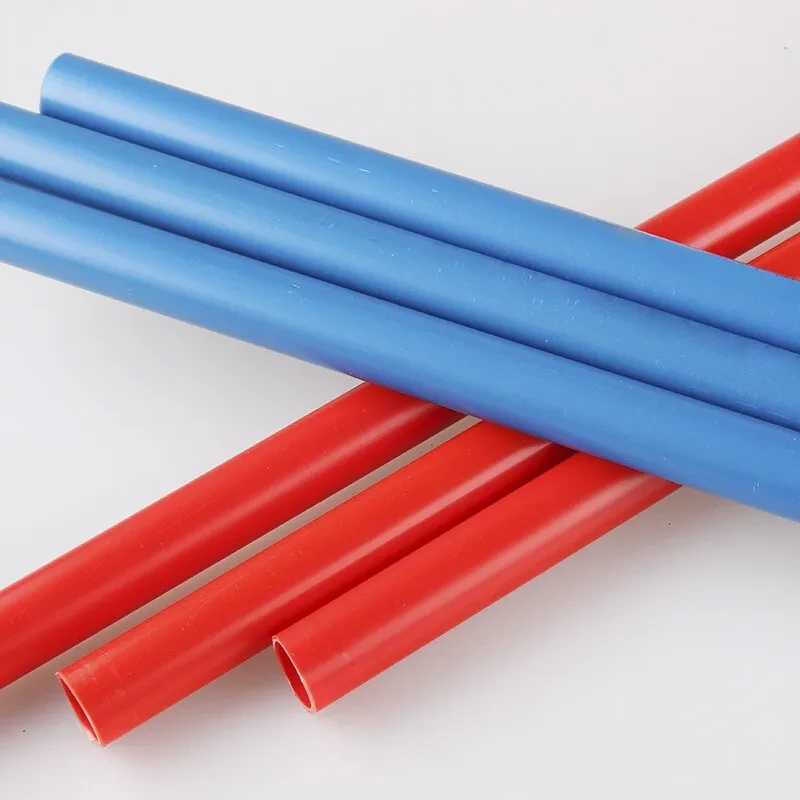
3 inch underground electrical conduit

HAILI Pipe
Apr/07/2023
3 inch underground electrical conduit
3 Inch Underground Conduit is a conduit system used to protect wires and cables buried in the ground. It can be made of different materials such as PVC, steel or aluminum and is designed to withstand extreme weather conditions, seasonal changes and corrosive substances that can damage the wires. The 3-inch diameter is ideal for carrying more wires and cables, making it ideal for commercial or industrial applications. It is usually buried at a depth of 18 to 24 inches, depending on local building codes and soil type.

3 inch underground electrical conduit is an essential part of any electrical infrastructure. It is used to protect wires and cables from damage caused by environmental factors such as moisture, corrosion and physical damage. The conduit is designed to be buried in the ground and provides a safe and secure path for electrical wires to travel from one location to another.
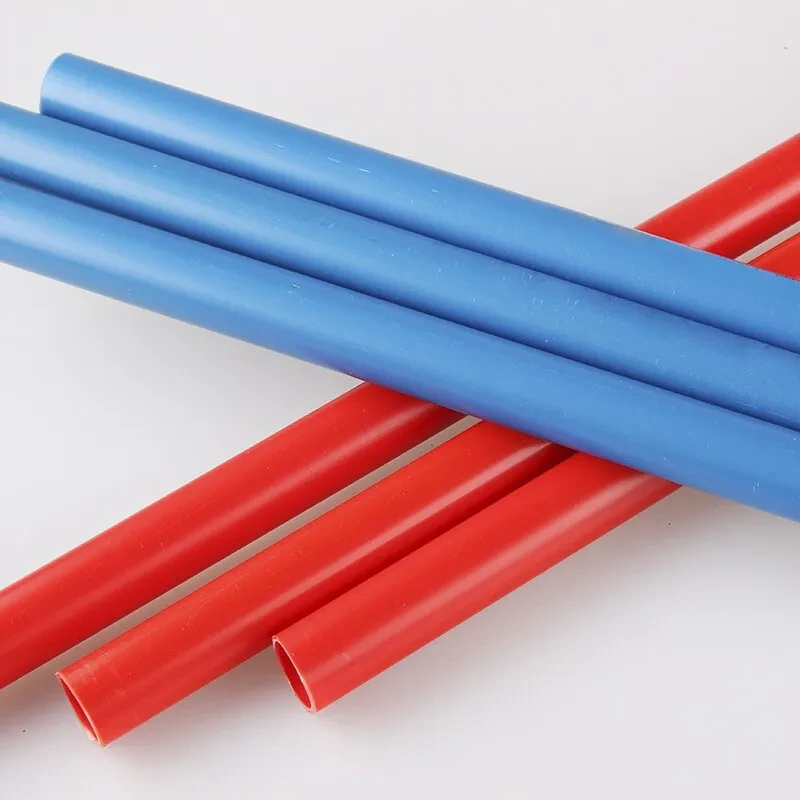
cable--protection--conduit.webp

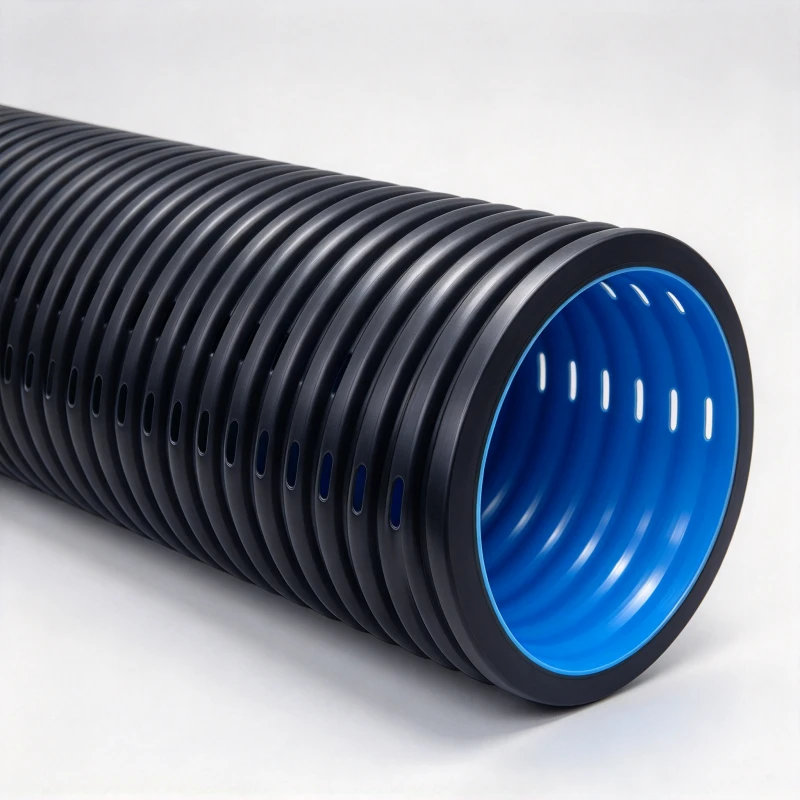
There are many different types of conduit on the market, but 3-inch underground conduit is one of the most popular options. This is due to its durability, strength and resistance to damage. Conduits are typically made from high-density polyethylene (HDPE) or PVC materials known for their ability to withstand harsh environmental conditions.


3 Inch Underground Conduit Advantages:


One of the main advantages of 3-inch underground electrical conduit is its ability to protect electrical wiring from moisture. Moisture is one of the leading causes of electrical failure and it can cause serious damage to electrical equipment and wiring. Conduit provides a barrier between the wiring and the environment, preventing moisture from penetrating and causing damage.


Another benefit of the 3-inch underground conduit is its ability to protect the wiring from physical damage. Conduits are designed to be durable and can withstand the weight of heavy equipment and vehicles passing through. This makes it ideal for industrial and commercial applications using heavy machinery.


The 3 inch underground electrical conduit is also corrosion resistant. This is important in areas where the soil is acidic or high in salt, as salt can corrode metal parts. Conduits are designed to resist corrosion, ensuring that the wires inside are protected and functioning properly.


In addition to its protective properties, the 3-inch underground electrical conduit is easy to install. It can be easily cut to size and connected using simple fittings, making it a cost-effective solution for electrical installations.


Always follow local building codes and regulations when installing 3-inch underground electrical conduit. Conduits should be buried deep enough to protect them from accidental damage. Conduit should also be properly grounded to prevent electric shock.


Overall, 3 inch underground electrical conduit is an important part of any electrical infrastructure. It protects wires from moisture, physical damage and corrosion, making it a reliable and durable solution for a wide range of applications. Whether you're installing electrical wiring in a commercial building, industrial facility, or residential property, 3-inch underground electrical conduit is the smart choice for years of reliable service.
Send a Message

If you want to ask anything just fill in the form below and send us.

// News //

Our News

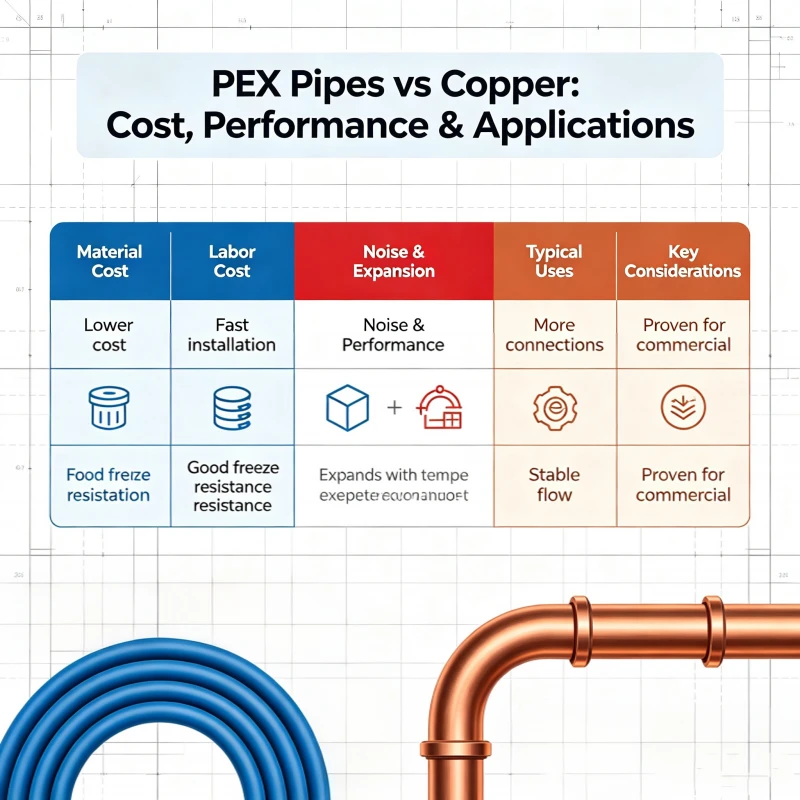
PEX Pipes vs Copper: Cost, Performance and Applications

08/31/2026

PEX pipes vs copper: compare cost, durability, installation, corrosion resistance, temperature perfo...

HDPE / PEAD Piping Systems for Decanter & Wastewater Treatment for Brazilian

08/20/2026

Discover the 2026 4 inch PVC pipe price in Bangladesh in BDT and USD. Compare prices by size, pressu...

PPR Pipe vs PEX: Which Is Better for Your Plumbing Project?

08/18/2026

Compare PPR pipe vs PEX for cost, durability, installation and hot water use. Find the right piping ...

PPR Pipe Fittings Name : Complete Guide

08/14/2026

Discover PPR pipe fittings names, including elbows, tees, couplings, reducers, unions, adapters, val...

What Are PPR Pipes Used For?

08/04/2026

Discover what PPR pipes are used for, including water supply, heating, industrial applications, bene...

How to Connect HDPE Pipe to Steel Pipe

07/27/2026

Learn how to connect HDPE pipe to steel pipe with this complete guide. Explore connection methods, i...

// Our Products //

New Products

PVC Suction Fiber Composite Hose

Durable PVC Suction Hose Pipe for Irrigation, Pumps and Construction Dewatering
Our PVC suction hos...

PVC Suction Hose
PVC Suction Hose

PVC Suction Hose is a durable and flexible PVC suction hose pipe designed for suction and discharge ...

PVC Layflat Hose
PVC Layflat Hose

PVC Layflat Hose is a flexible and durable PVC hose designed for efficient water discharge, agricult...

PVC Spray Hose
PVC Spray Hose

PVC Spray Hose is a flexible hose widely used in agricultural spraying systems. It is designed for p...

PVC Air Hose
PVC Air Hose

PVC Air Hose is a flexible hose designed for compressed air transportation in industrial equipment, ...

PVC Fiber Reinforced Hose

Our PVC fiber reinforced hose and PVC transparent hose are versatile hoses designed for multiple app...

PVC Fiber Reinforced Hose

High quality PVC fiber reinforced hose for food and industrial liquid transfer. Flexible PVC hose wi...

PVC Steel Wire Reinforced Hose

Our PVC steel wire reinforced hose is a high-quality PVC hose designed for both food and industrial ...