Efficient water management is one of the most critical challenges in modern agriculture, especially in regions such as Africa and Southeast Asia where water resources can be limited or seasonal. Choosing the right piping system directly impacts crop yield, operational costs, and long-term sustainability.
Among various options, HDPE irrigation pipe systems have become the preferred choice for farmers, contractors, and agricultural project developers. Their durability, flexibility, and cost-effectiveness make them highly suitable for a wide range of irrigation and water supply applications.
Why HDPE Pipes Are Ideal for Agricultural Irrigation
Agricultural environments are often harsh. Pipes must withstand sunlight, soil pressure, chemical exposure, and fluctuating water pressure. Traditional materials like metal or PVC often face limitations under these conditions.
HDPE (High-Density Polyethylene) pipes offer several key advantages:
Excellent durability: Resistant to corrosion, chemicals, and environmental stress
Long service life: Typically over 10–15 years, even in tough conditions
Flexibility: Can be installed in uneven terrain without cracking
Leak-free performance: Compatible with butt fusion or electrofusion, reducing water loss
Lightweight: Easy to transport and install, especially in remote agricultural areas
These features make polyethylene irrigation pipe systems particularly reliable for long-term farming investments.
Real Applications in Agriculture
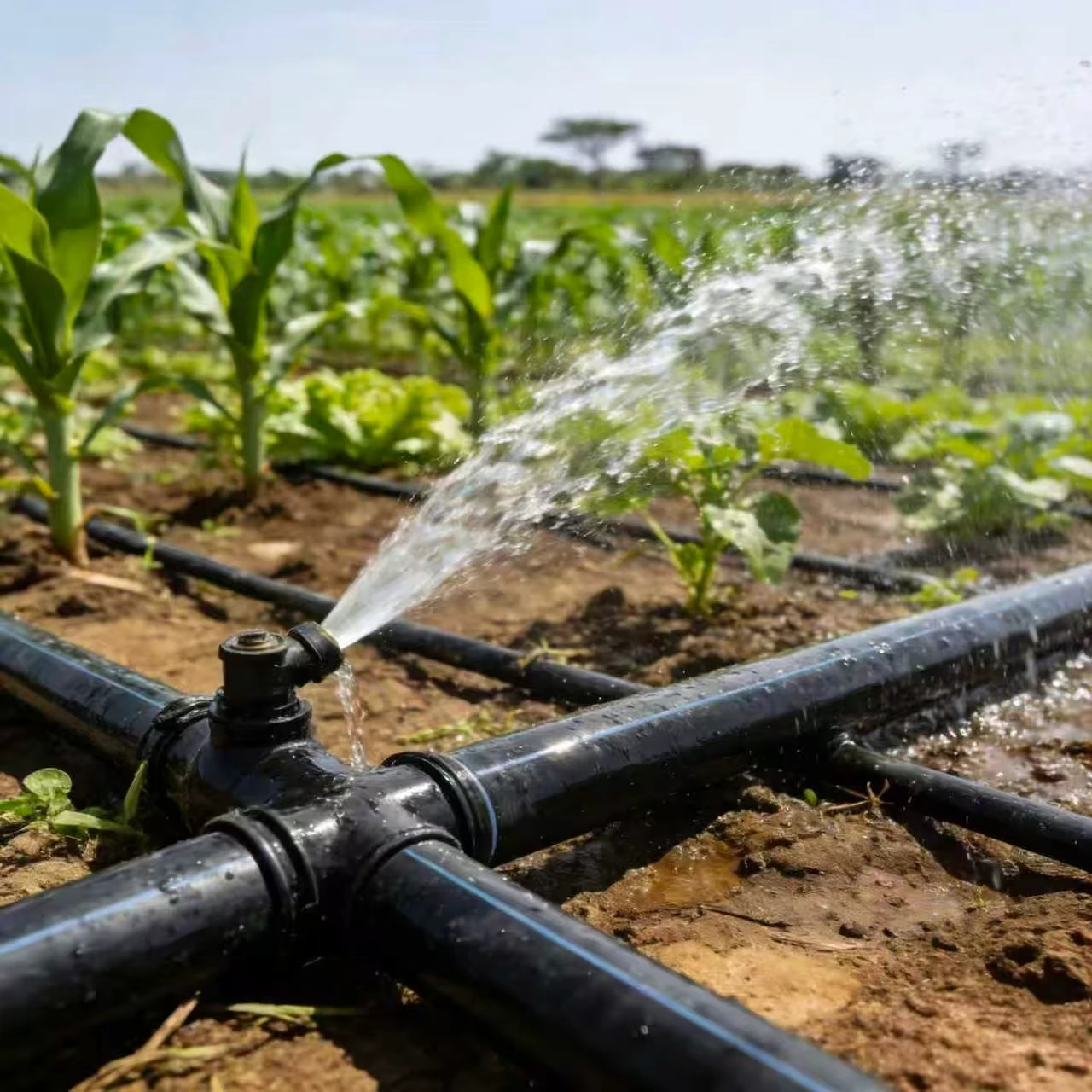
HDPE pipes are widely used across different agricultural irrigation methods. Their adaptability allows them to support both small-scale farms and large irrigation projects.
1. Drip Irrigation Systems
In water-scarce regions, drip irrigation pipe systems are essential. HDPE pipes serve as mainlines and sub-mainlines, delivering water efficiently to drip lines.
Reduces water wastage
Improves crop yield
Ideal for vegetables, orchards, and greenhouse farming
2. Sprinkler Irrigation Systems
For crops like maize, wheat, and pasture grass, HDPE pipes are used to transport water to sprinkler systems.
Stable pressure performance
Easy layout adjustment
Suitable for medium to large farmland
3. Water Supply for Farms
HDPE pipes are also widely used as agricultural water pipes for:
Borehole water distribution
Livestock water supply
Farm storage tank connections
Their resistance to scaling and corrosion ensures clean and safe water delivery.
HDPE vs Other Pipe Materials: What Buyers Should Know
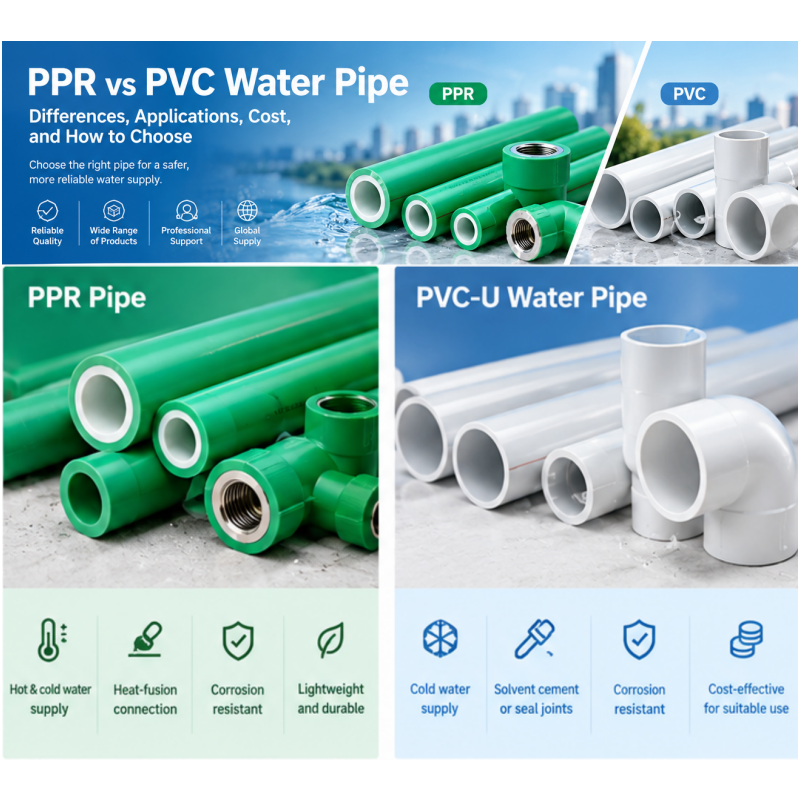
When selecting irrigation pipes, buyers often compare HDPE with PVC or metal pipes. Here is a practical comparison:
HDPE vs PVC
HDPE is more flexible and resistant to cracking
Better suited for uneven terrain and underground installation
Longer lifespan in outdoor environments
HDPE vs Metal Pipes
No rust or corrosion
Lower maintenance cost
Easier handling and installation
For buyers focusing on long-term performance and reduced maintenance, HDPE pipe for farming is often the more economical choice.
Key Considerations When Choosing HDPE Irrigation Pipes
To ensure the best results for your irrigation project, it is important to select the right specifications:
Pipe diameter: Depends on water flow requirements and farm size
Pressure rating (PN level): Choose based on pump pressure and system design
SDR rating: Affects wall thickness and durability
Connection method: Butt fusion or electrofusion for leak-free systems
Coil or straight length: Coils for small diameters, straight pipes for larger systems
Working with a reliable supplier can help you match the right HDPE irrigation pipe to your specific agricultural needs.
Cost Efficiency and Long-Term Value
While the initial price of HDPE pipes may be slightly higher than some alternatives, the overall cost performance is significantly better.
Lower installation costs due to lightweight material
Minimal maintenance and repair expenses
Reduced water loss through leak-free connections
Long service life reduces replacement frequency
For agricultural investors and distributors, this translates into higher returns and fewer operational risks.
As agriculture continues to modernize, efficient irrigation systems are no longer optional—they are essential. HDPE pipes provide a reliable, durable, and cost-effective solution that meets the demands of today’s farming environments.
Whether you are developing a large-scale irrigation project or supplying materials to local farmers, choosing high-quality HDPE irrigation pipe systems can significantly improve performance and long-term value.
Call to Action
If you are looking for a trusted supplier of HDPE pipes for irrigation and agriculture, we are here to help.
Contact us today to get product catalogs, technical support, and competitive pricing tailored to your market. Let us support your next agricultural project with reliable piping solutions.
916.webp)
204.webp)
659.webp)
185.webp)
312.webp)
849.webp)
587.webp)
767.webp)