High-Density Polyethylene (HDPE) pipe fittings have become the preferred solution for water supply systems, gas distribution networks, agricultural irrigation, mining operations, industrial fluid transportation, and municipal infrastructure projects. Known for their durability, corrosion resistance, flexibility, and long service life, HDPE fittings are widely used throughout the world.
However, one of the most frequently asked questions from contractors, distributors, project developers, and importers is: "What is the current HDPE pipe fittings price list?"
The answer depends on multiple factors, including fitting type, size, material grade, SDR rating, manufacturing method, certification requirements, and purchasing volume.
This comprehensive guide analyzes HDPE pipe fittings factory prices, wholesale prices, retail market prices, and cost factors to help buyers make informed purchasing decisions.
What Are HDPE Pipe Fittings?
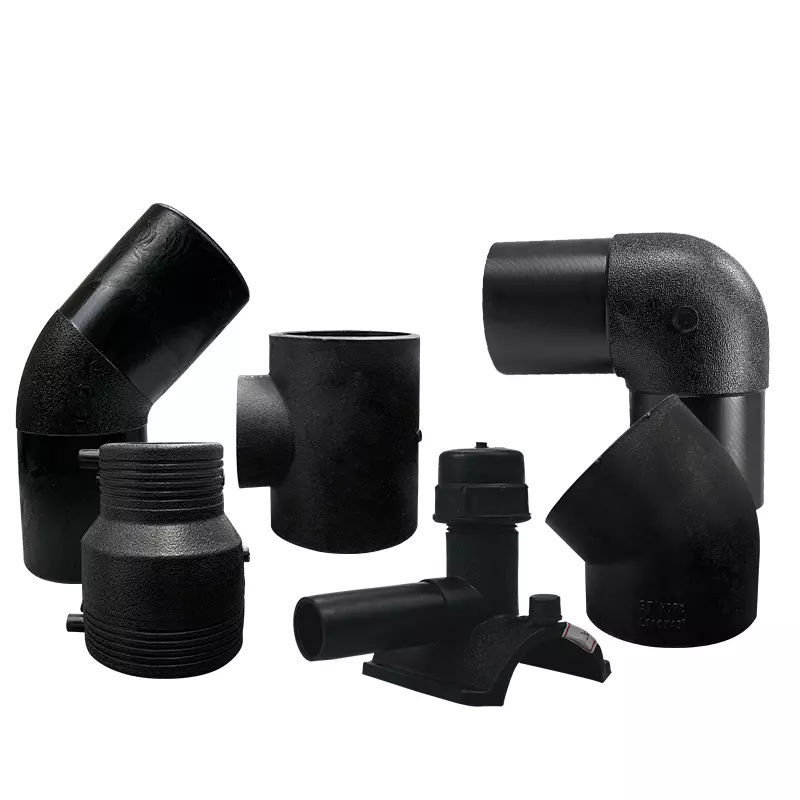
HDPE pipe fittings are connectors used to join, terminate, branch, reduce, or redirect HDPE pipelines.
Common HDPE fittings include:
HDPE Elbows
HDPE Tees
HDPE Reducers
HDPE Couplers
HDPE End Caps
HDPE Flange Adapters
HDPE Stub Ends
HDPE Electrofusion Fittings
HDPE Saddle Fittings
HDPE Compression Fittings
Most modern HDPE fittings are manufactured from PE100 resin, which provides excellent pressure resistance and long-term durability.
Why HDPE Pipe Fittings Are Popular
Compared with traditional materials such as steel, cast iron, PVC, and concrete, HDPE fittings offer:
Corrosion Resistance
HDPE does not rust or corrode, even in aggressive environments.
Long Service Life
Quality PE100 fittings can last over 50 years.
Leak-Free Connections
Butt fusion and electrofusion methods create permanent joints.
Lightweight Construction
HDPE fittings are much lighter than metal alternatives.
Low Maintenance Costs
The material requires minimal maintenance throughout its service life.
These benefits make HDPE fittings highly cost-effective despite a higher initial purchase price than some alternatives.
HDPE Pipe Fittings Price List (Factory Price Reference)
The following table provides estimated factory prices for standard PE100 SDR11 fittings purchased directly from manufacturers.
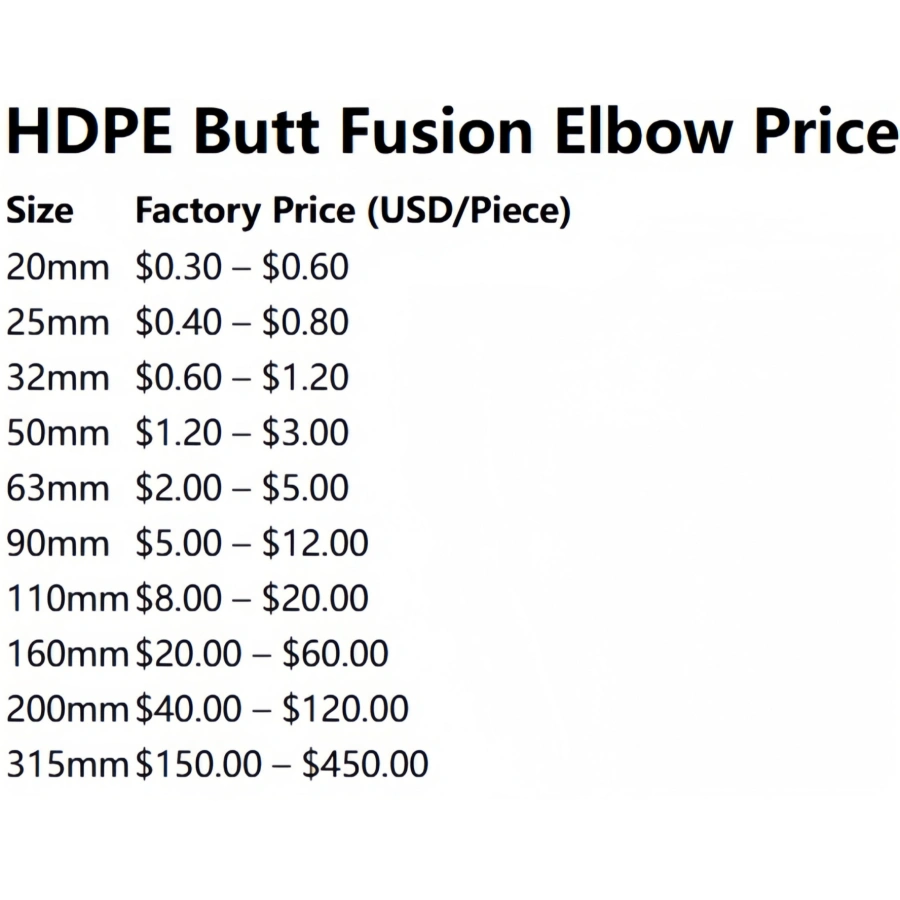
HDPE Butt Fusion Elbow Price List
| Size | Factory Price (USD/Piece) |
|---|---|
| 20mm | $0.30 – $0.60 |
| 25mm | $0.40 – $0.80 |
| 32mm | $0.60 – $1.20 |
| 50mm | $1.20 – $3.00 |
| 63mm | $2.00 – $5.00 |
| 90mm | $5.00 – $12.00 |
| 110mm | $8.00 – $20.00 |
| 160mm | $20.00 – $60.00 |
| 200mm | $40.00 – $120.00 |
| 315mm | $150.00 – $450.00 |
HDPE Equal Tee Price List
| Size | Factory Price (USD/Piece) |
|---|---|
| 50mm | $2 – $5 |
| 63mm | $3 – $8 |
| 90mm | $8 – $20 |
| 110mm | $12 – $35 |
| 160mm | $35 – $100 |
| 200mm | $70 – $180 |
| 315mm | $300 – $800 |
HDPE Reducer Price List
| Size | Factory Price (USD/Piece) |
|---|---|
| 63×50mm | $2 – $6 |
| 90×63mm | $5 – $12 |
| 110×90mm | $8 – $18 |
| 160×110mm | $20 – $60 |
| 200×160mm | $50 – $150 |
HDPE End Cap Price List
| Size | Factory Price (USD/Piece) |
|---|---|
| 50mm | $1 – $3 |
| 63mm | $2 – $5 |
| 90mm | $5 – $10 |
| 110mm | $8 – $15 |
| 160mm | $15 – $40 |
| 200mm | $30 – $80 |
These prices represent typical ex-factory quotations from Chinese HDPE fitting manufacturers and may vary depending on raw material costs.
Electrofusion HDPE Fittings Price List
Electrofusion fittings contain embedded heating coils and generally cost more than butt fusion fittings.
Electrofusion Coupler Prices
| Size | Factory Price (USD/Piece) |
|---|---|
| 20mm | $1 – $3 |
| 25mm | $1.5 – $4 |
| 32mm | $2 – $5 |
| 63mm | $5 – $15 |
| 90mm | $10 – $30 |
| 110mm | $15 – $50 |
| 160mm | $40 – $150 |
| 200mm | $80 – $300 |
Electrofusion Elbow Prices
| Size | Factory Price (USD/Piece) |
|---|---|
| 63mm | $10 – $25 |
| 90mm | $20 – $50 |
| 110mm | $30 – $80 |
| 160mm | $80 – $250 |
| 200mm | $150 – $500 |
Because of their advanced manufacturing process, electrofusion fittings typically cost 2–5 times more than standard butt fusion fittings.
Wholesale HDPE Pipe Fittings Price Analysis
Buying directly from manufacturers or exporters significantly reduces costs.
Small Orders
Typical order quantity:
Less than $3,000
Less than one container
Discount:
0%–5%
Medium Wholesale Orders
Typical order quantity:
$5,000–$20,000
Discount:
5%–15%
Full Container Orders
Typical order quantity:
One 20ft or 40ft container
Discount:
15%–30%
Annual Distributor Agreements
Large distributors often receive:
20%–40% discounts
Private labeling
OEM packaging
Priority production schedules
Wholesale purchasing remains the most effective way to reduce procurement costs.
Retail Market Prices
Retail prices are usually significantly higher than factory prices.
Typical Retail Markups
| Sales Channel | Markup |
|---|---|
| Local Distributor | 20%–50% |
| Plumbing Supply Store | 40%–100% |
| Online Marketplace | 30%–120% |
| Hardware Retail Chain | 50%–150% |
For example:
A factory-priced HDPE 110mm elbow costing $15 may sell for:
Distributor: $20–$30
Retail store: $25–$40
Online marketplace: $25–$50
Factors Affecting HDPE Pipe Fittings Prices
Raw Material Cost
PE100 resin accounts for a large portion of production costs.
When polyethylene prices rise, fitting prices increase accordingly.
Raw material costs can influence product pricing by:
40%–70%
Fitting Size
Larger fittings require more material.
Price increases rapidly as diameter grows.
For example:
110mm elbow: approximately $10–$20
315mm elbow: approximately $150–$450
SDR Rating
Lower SDR values mean thicker walls.
Examples:
SDR17 fittings cost less
SDR13.6 fittings cost more
SDR11 fittings cost more
SDR9 fittings cost the most
Thicker walls require more PE100 material.
Manufacturing Method
Different manufacturing methods have different costs.
Injection Molded Fittings
Advantages:
Lower cost
High production volume
Fabricated Fittings
Advantages:
Custom sizes
Large diameters
Disadvantages:
Higher labor cost
Higher production cost
Certification Requirements
Certified fittings generally cost more.
Common certifications include:
ISO 4427
EN 12201
WRAS
NSF
CE Certification
Certification increases production and testing costs but improves market acceptance.
China Factory Price Advantages
China has become the world's largest HDPE fitting manufacturing center.
Advantages include:
Large Production Capacity
Factories can produce:
Millions of fittings annually
Large export volumes
Consistent supply
Lower Labor Costs
Production costs remain competitive compared with Europe and North America.
Complete Industrial Chain
China offers:
Resin suppliers
Mold manufacturers
Testing laboratories
Export logistics
All within the same supply ecosystem.
OEM and Customization Services
Manufacturers commonly provide:
Custom logos
Private labels
Custom packaging
Project-specific designs
HDPE Fittings vs Competing Materials
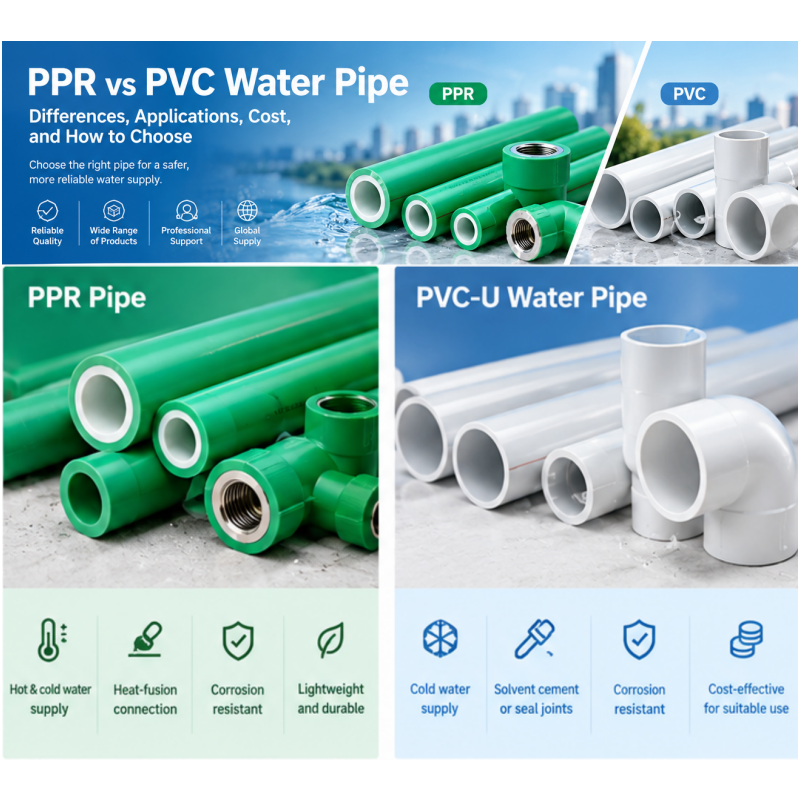
HDPE vs PVC Fittings
| Feature | HDPE | PVC |
|---|---|---|
| Price | Higher | |
| Flexibility | Excellent | |
| Impact Resistance | Excellent | |
| Service Life | 50+ Years | |
| Fusion Welding | Yes | |
| Corrosion Resistance | Excellent |
PVC has a lower initial cost, while HDPE offers better durability.
HDPE vs Steel Fittings
| Feature | HDPE | Steel |
|---|---|---|
| Weight | Light | |
| Corrosion Resistance | Excellent | |
| Installation Cost | Lower | |
| Maintenance | Low | |
| Service Life | Long |
HDPE generally offers lower lifecycle costs.
HDPE vs Ductile Iron Fittings
| Feature | HDPE | Ductile Iron |
|---|---|---|
| Weight | Lightweight | |
| Corrosion Resistance | Excellent | |
| Flexibility | High | |
| Transportation Cost | Lower | |
| Installation Speed | Faster |
HDPE is increasingly replacing ductile iron in municipal projects.
How to Reduce HDPE Fittings Procurement Costs
Purchase Directly from Manufacturers
Factory-direct purchasing eliminates distributor markups.
Consolidate Orders
Combining multiple fitting sizes into one order often improves pricing.
Use Standard Sizes
Custom fittings are significantly more expensive than standard products.
Optimize Container Loading
Full-container shipments reduce freight cost per unit.
Establish Long-Term Supplier Relationships
Repeat customers often receive:
Better pricing
Faster production
Improved payment terms
Future HDPE Pipe Fittings Market Trends
The global HDPE fittings market continues to expand due to:
Urban infrastructure development
Water supply modernization
Agricultural irrigation projects
Gas distribution expansion
Mining industry growth
Demand for PE100 fittings is expected to increase steadily over the next decade.
At the same time, automation and advanced injection molding technologies are helping manufacturers reduce production costs and improve product consistency.
Conclusion
Understanding the HDPE pipe fittings price list is essential for contractors, distributors, wholesalers, and project developers seeking the best value for their investments. Factory prices vary depending on fitting type, size, SDR rating, manufacturing method, and certification requirements, while wholesale purchasing can significantly reduce procurement costs.
For most buyers, sourcing directly from experienced manufacturers offers the best combination of competitive pricing, product quality, customization options, and reliable supply. Although HDPE fittings often have a higher initial cost than PVC alternatives, their superior durability, corrosion resistance, leak-free performance, and 50+ year service life make them one of the most cost-effective piping solutions available in today's infrastructure, water supply, gas distribution, and industrial markets.
916.webp)
204.webp)
659.webp)
185.webp)
312.webp)
849.webp)
587.webp)
767.webp)