Introduction
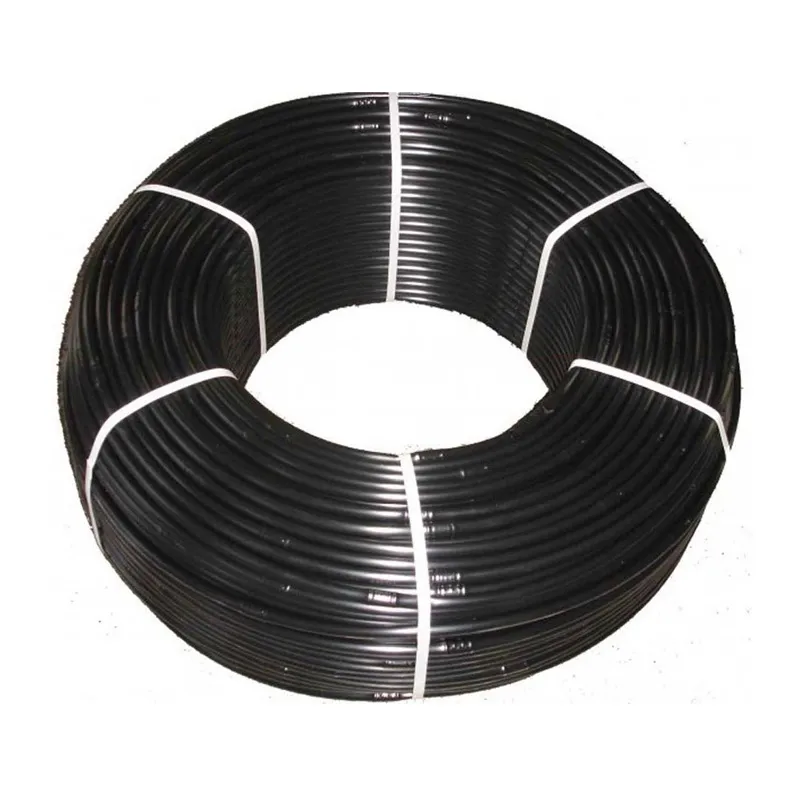
HDPE (High-Density Polyethylene) pipes are widely used in water supply, sewage systems, gas distribution, agriculture, and industrial applications. They are durable, flexible, lightweight, and resistant to corrosion and chemicals. In 2025, the price of HDPE pipes varies based on several factors including size, pressure rating, raw material costs, and market demand.
The global HDPE pipes market was valued at approximately $23.4 billion in 2024 and is projected to reach $36.8 billion by 2031, growing at a compound annual growth rate of around 5.50%. This growth reflects the increasing demand for reliable and cost-effective piping solutions worldwide.
This guide will help you understand the approximate price range of HDPE pipes in 2025, the factors that influence costs, and how to get the best value for your project.
HDPE Pipe Price List 2025
HDPE pipe prices are usually quoted per linear foot, per meter, or per kilogram. Below is an estimated price range for different sizes and types.
Small Diameter HDPE Pipes (1 inch – 6 inches)
| Size | Application | Approximate Price |
|---|---|---|
| 1 inch | Drip irrigation, small water lines | $1 – $2 per foot |
| 2 – 3 inches | Irrigation, water distribution | $2 – $5 per foot |
| 4 inches | Drainage, municipal water | $3 – $6 per foot |
| 6 inches | Sewer, water main | $5 – $9 per foot |
For 4-inch HDPE pipes, industry data shows the upfront cost generally ranges from about $3 to $5 per foot, compared to PVC which averages $1.50 to $3 per foot. However, HDPE pipes have lower lifetime maintenance costs due to their flexibility and leak-free fused joints.
Medium Diameter HDPE Pipes (8 inches – 12 inches)
| Size | Application | Approximate Price |
|---|---|---|
| 8 inches | Sewer systems, water mains | $10 – $15 per foot |
| 10 inches | Large water distribution | $15 – $25 per foot |
| 12 inches | Main water lines, sewer | $12 – $18 per foot |
According to 2025 municipal bid data, 12-inch HDPE pipe was priced at approximately $11.92 to $13.40 per linear foot, while 15-inch pipe was about $15.33 to $17.25 per linear foot.
Large Diameter HDPE Pipes (18 inches and above)
Larger pipes are significantly more expensive due to increased material usage and manufacturing complexity.
| Size | Application | Approximate Price |
|---|---|---|
| 18 inches | Large-scale sewer, storm drainage | $23 – $30 per foot |
| 24 inches | Major water transmission | $39 – $50 per foot |
| 30 inches | Large infrastructure projects | $59 – $75 per foot |
| 36 inches | Major water/sewer projects | $73 – $100+ per foot |
In a 2025 municipal project, 18-inch HDPE pipe was priced at $25.86 per linear foot, 24-inch at $39.00 per linear foot, and 30-inch at $58.95 per linear foot. Another supplier listed 36-inch HDPE fusion pipe at approximately $367.86 per foot for a 50-foot length.
HDPE Pipe Prices per Meter
For international reference, here are approximate prices per meter for HDPE pipes from a 2025 manufacturer guide:
| Pipe Size | SDR Rating | Pressure Rating (MPa) | Price per Meter (USD) |
|---|---|---|---|
| DN50 | SDR11 | 1.6 | $1.20 – $1.80 |
| DN110 | SDR17 | 1.0 | $3.00 – $4.00 |
| DN160 | SDR11 | 1.6 | $5.50 – $7.00 |
| DN200 | SDR17 | 1.0 | $8.00 – $10.00 |
| DN315 | SDR26 | 0.6 | $14.00 – $18.00 |
| DN500 | SDR17 | 1.0 | $28.00 – $35.00 |
For DN110 SDR11 HDPE pipe, the price typically falls between $3.50 and $4.50 per meter.
HDPE Pipe Price per Kilogram
Another common pricing method is cost per kilogram. In 2025, HDPE pipe prices per kg vary by market:
India: Agriculture-grade HDPE pipes are approximately ₹65 per kg
Global raw material: HDPE granules cost about ₹80 per kg, with conversion costs adding ₹10 per kg, bringing total to approximately ₹90 per kg
HDPE Raw Material Price 2025
The base material price directly influences HDPE pipe costs. In China, one of the world's largest HDPE markets, prices for HDPE pipe-grade material ranged from approximately 7,400 RMB to 8,800 RMB per ton in late 2025, depending on the brand and region.
Factors Affecting HDPE Pipe Prices
1. Pipe Diameter and Wall Thickness (SDR Rating)
The larger the pipe diameter and the thicker the wall, the higher the price. SDR (Standard Dimension Ratio) indicates wall thickness relative to diameter — lower SDR numbers mean thicker walls and higher pressure ratings. For example, SDR11 pipes (thicker walls) cost more than SDR17 pipes (thinner walls).
2. Raw Material Costs
HDPE pipes are made from polyethylene resins (typically PE80 or PE100 grade). Raw material prices fluctuate with crude oil prices, global supply and demand, and production capacity. In 2025, HDPE prices saw some softness due to new production capacity coming online in Asia and weaker-than-expected demand, leading to narrower price ranges. However, prices are expected to show modest upward movement in the second half of the year.
3. Pressure Rating (PN Class)
Higher pressure ratings require thicker pipe walls, increasing material usage and cost. Common pressure ratings include PN6, PN8, PN10, PN12.5, and PN16. A 4-inch pipe rated for 160 psi will cost more than a lower-rated pipe of the same diameter.
4. Pipe Color and Additives
Standard black HDPE pipes (with UV protection) are generally the most affordable. Pipes with colored stripes for sewer applications (typically green) may have slightly different pricing. Some applications require specific additives for UV resistance, chemical resistance, or fire retardancy, which can increase costs.
5. Quantity Purchased
Bulk purchases typically receive lower per-unit prices. Municipalities and large contractors buying thousands of feet of pipe often negotiate favorable rates. Small projects purchasing limited quantities will pay higher per-foot prices.
6. Region and Transportation
Shipping costs vary based on distance to the project site. HDPE pipes are often shipped in 20-foot, 40-foot, or 50-foot lengths, which can affect logistics costs. Local suppliers may have higher prices but offer faster delivery and lower freight charges.
7. Certification and Compliance
Pipes meeting stringent standards such as ASTM D3035, ISO 4427, or NSF 61 for potable water typically cost more than non-certified products.
HDPE vs PVC Pipe Cost Comparison
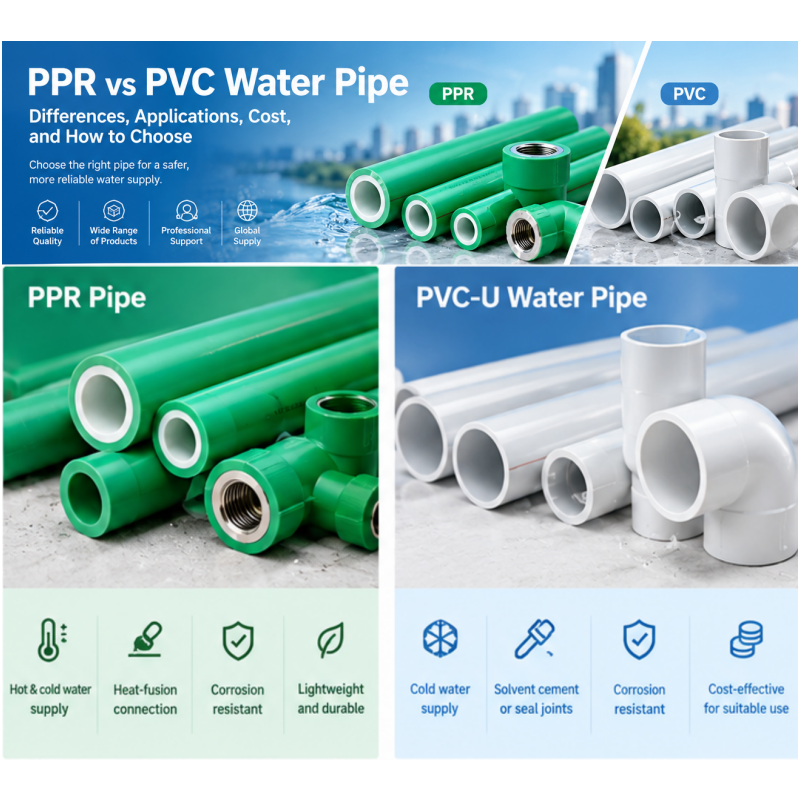
When planning a project, it helps to compare HDPE pipes with traditional PVC pipes. Here is a quick overview:
| Factor | HDPE | PVC |
|---|---|---|
| Material cost per foot (4-inch) | $3 – $5 | $1.50 – $3 |
| Installation cost | Lower (fusion joints, flexible) | Moderate (more fittings required) |
| Lifespan | 50+ years | 20–30 years |
| Maintenance | Very low, minimal leaks | Joints may leak over time |
Although HDPE pipes have a higher upfront cost, their flexibility and fused joints reduce leaks and maintenance expenses. Over a 50-year period, HDPE can trim budgets by up to 30% compared to PVC. Recycled HDPE products in 2025 have narrowed the cost gap to just a 10–15% premium.
HDPE Pipe Price Outlook 2025
Current Trends
In 2025, the global HDPE market faces a mixed outlook. Several factors are at play:
New production capacity in countries like China has increased supply, putting downward pressure on prices
Weaker demand in some sectors, particularly in real estate and certain infrastructure projects, has kept price increases in check
Raw material costs have shown stability with slight declines compared to 2024 levels
Seasonal demand for agricultural irrigation and municipal projects tends to increase prices in spring and early fall
Future Expectations
Analysts expect HDPE pipe prices to show modest upward movement in the second half of 2025. As infrastructure projects accelerate and agricultural irrigation demand picks up, HDPE prices may see increases of 2% to 5% through year-end. The global HDPE pipes market is projected to grow at about 5.60% annually through 2031, supporting a generally positive price environment for manufacturers.
Tips for Buying HDPE Pipes in 2025
1. Get Multiple Quotes
Prices vary significantly between suppliers. Always request at least three quotes from different manufacturers or distributors for the same specifications.
2. Buy in Bulk When Possible
If your project requires a large quantity, purchase all your pipe at once. Volume discounts can reduce per-foot costs by 10% to 20%.
3. Consider Total Lifetime Cost
Don't focus solely on upfront material costs. HDPE pipes offer lower maintenance, fewer leaks, and longer lifespans — often making them more economical over the long term despite higher initial prices.
4. Verify Certification Requirements
Make sure your pipe meets relevant standards for your application. For potable water, NSF 61 certification is essential. For gas distribution, specific ASTM standards apply.
5. Ask About Freight Charges
Shipping costs can be substantial for large-diameter pipes. Ask suppliers to include freight in their quotes or consider picking up from a local distributor to save money.
6. Check for Supplier Certifications
Reputable HDPE pipe manufacturers should provide mill test certificates and third-party inspection reports. Look for suppliers that meet standards like ISO 4427 and ASTM D3035.
Price Trends: Bulk Orders vs. Custom Orders
Bulk Orders:
When purchased in large volumes (e.g., 5000+ meters), unit prices can drop by 10–20%.
Most manufacturers offer discounts for standard pressure ratings and common coil lengths.
Custom Orders:
For special SDR values (e.g., SDR21) or customized coil sizes, price per meter increases slightly due to mold adjustment and production line recalibration.
2.5 inch pipes (63mm) may cost more to ship due to weight and volume.
Raw Material Fluctuations:
All HDPE pipe prices are influenced by the international price of polyethylene resin. Market fluctuations can affect price quotes significantly.
Summary
HDPE pipe prices in 2025 vary widely based on diameter, pressure rating, material grade, and quantity. Here's a quick summary:
Small pipes (1–6 inches): $1 – $9 per foot
Medium pipes (8–12 inches): $10 – $25 per foot
Large pipes (18–36 inches): $25 – $100+ per foot
While HDPE pipes generally cost more upfront than PVC, their durability, flexibility, and low maintenance needs make them an excellent long-term investment. With the global market expected to grow steadily, prices are likely to remain stable with modest increases through the rest of 2025.
Always get multiple quotes, buy in bulk when possible, and consider the full lifecycle cost of your piping system. By understanding the factors that affect HDPE pipe prices, you can make informed decisions and secure the best value for your project in 2025.
916.webp)
204.webp)
659.webp)
185.webp)
312.webp)
849.webp)
587.webp)
767.webp)