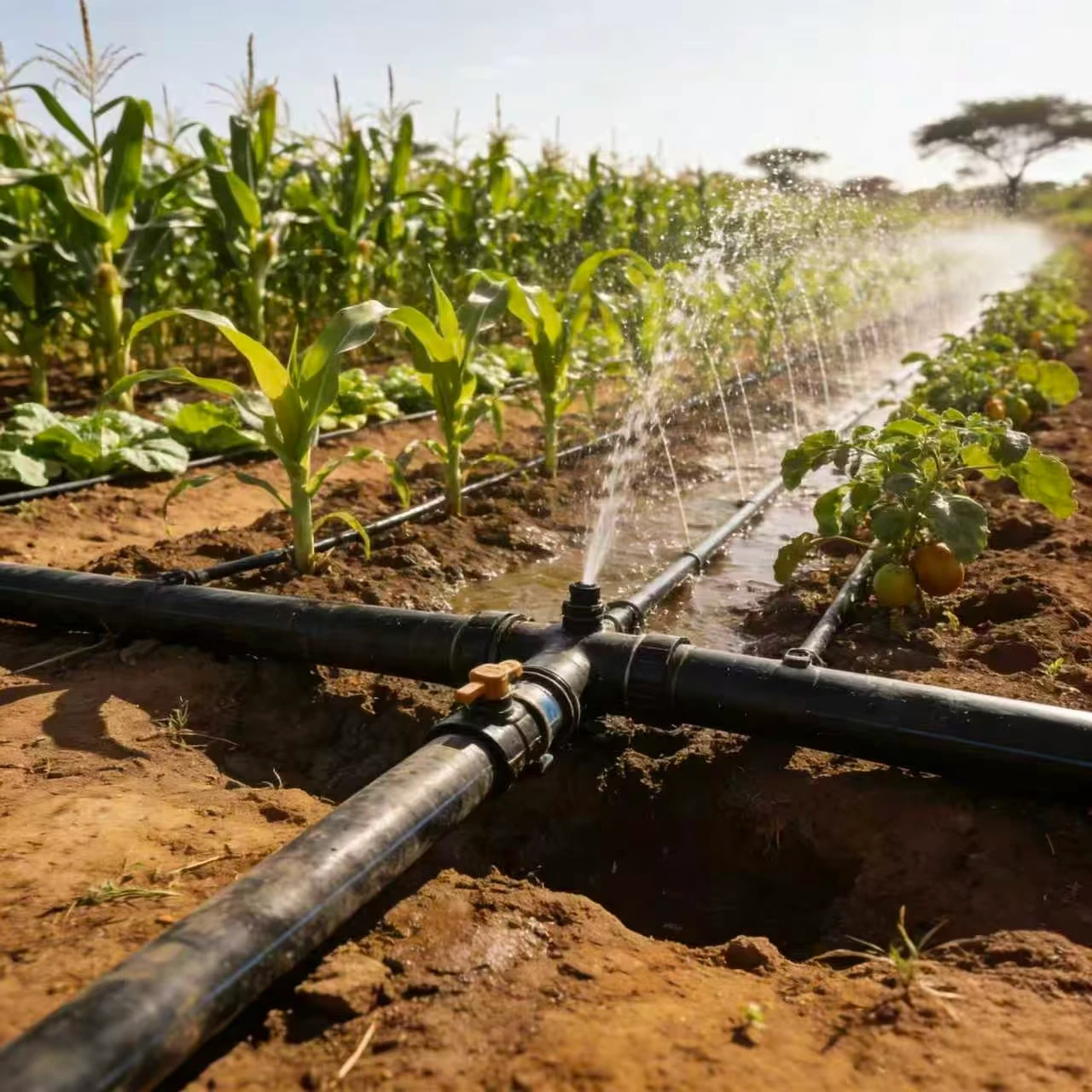
Agriculture plays a vital role across many African countries, supporting food production, employment, and economic growth. However, farmers continue to face major challenges, including water scarcity, inefficient irrigation systems, and high infrastructure costs. In many regions, rainfall is unpredictable, and traditional irrigation methods lead to significant water loss.
To address these challenges, modern irrigation systems are becoming increasingly important. Among the available materials, HDPE pipes (High-Density Polyethylene pipes) have become a preferred solution due to their durability, flexibility, and efficiency. From small farms to large-scale agricultural projects, HDPE pipes are widely used to improve water distribution and ensure sustainable farming.
Why HDPE Pipes Are Suitable for African Farming Conditions
African agricultural environments are often demanding. High temperatures, strong sunlight, and uneven terrain require materials that can perform reliably under pressure. HDPE pipes are designed to meet these challenges and offer long-term performance.
One of the key advantages is their excellent durability. HDPE pipes can last for decades without cracking or breaking, even under continuous use. Unlike metal pipes, they do not rust or corrode, making them highly suitable for areas with varying soil conditions and water quality.
Another important feature is their resistance to UV radiation. In many African irrigation projects, pipes are installed above ground due to cost and terrain limitations. HDPE pipes are manufactured with UV stabilizers, allowing them to withstand prolonged exposure to sunlight without degradation.
In addition, HDPE pipes provide leak-free performance through heat fusion welding. The joints become as strong as the pipe itself, eliminating common leakage problems found in traditional piping systems. This is especially important in regions where water resources are limited and must be used efficiently.
Their flexibility also makes installation easier. HDPE pipes can bend around obstacles and adapt to uneven ground, reducing the need for fittings and lowering installation costs. This is particularly beneficial in remote or rural areas where construction conditions are challenging.
Applications of HDPE Pipes in Agricultural Irrigation
HDPE pipes are used in a wide range of agricultural applications across Africa. Their versatility allows them to support different irrigation methods and water supply systems.
In drip irrigation systems, HDPE pipes are commonly used as main lines and sub-main lines. They ensure stable water flow and deliver water directly to plant roots, improving efficiency and reducing waste. This method is especially suitable for crops such as vegetables, fruits, and cash crops.
In sprinkler irrigation systems, HDPE pipes help maintain consistent pressure and even water distribution. Farmers growing crops like maize and wheat benefit from reliable irrigation, which improves yield and crop quality.
HDPE pipes are also widely used for water transportation from boreholes, rivers, and reservoirs. In many African regions, water sources are located far from farmland. HDPE pipes provide an efficient solution for long-distance water conveyance, thanks to their smooth inner surface and low friction loss.
For large-scale agricultural projects, including government-funded irrigation programs, HDPE pipes are used in main transmission pipelines and distribution networks. Their high strength and pressure resistance make them suitable for handling large volumes of water over long distances.
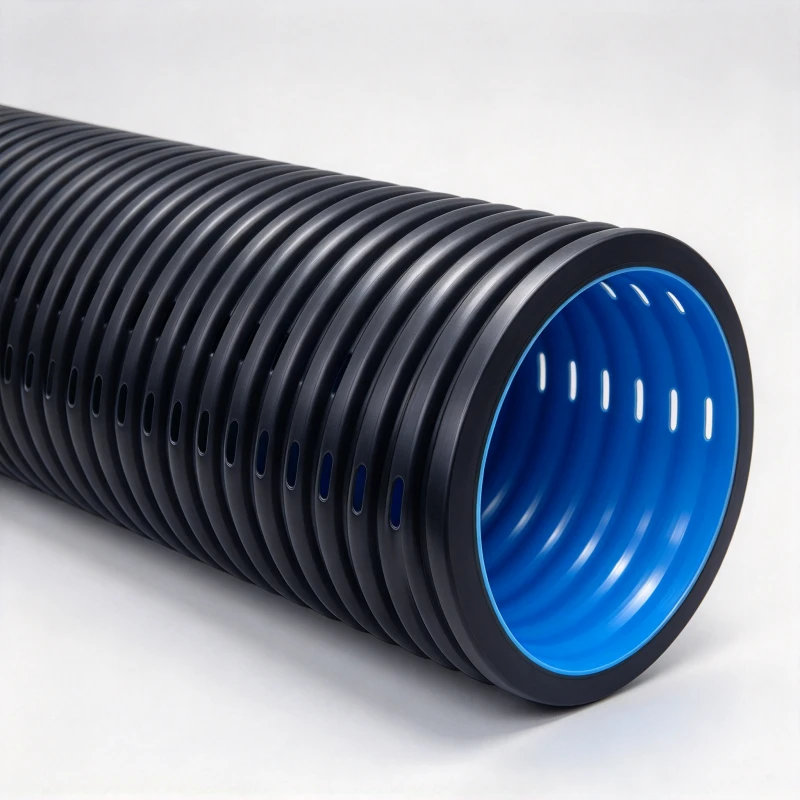
In addition to irrigation, HDPE pipes can also be used for drainage systems, helping to control excess water, prevent flooding, and maintain proper soil conditions.
Economic and Practical Benefits for Farmers
The use of HDPE pipes brings both short-term and long-term benefits to farmers and project developers. One of the most significant advantages is cost efficiency. Although the initial investment may be slightly higher than low-quality alternatives, HDPE pipes offer substantial savings over time due to their long lifespan and low maintenance requirements.
Their lightweight nature reduces transportation and installation costs. Farmers can install systems more quickly, even in remote areas, without the need for heavy equipment. This makes HDPE pipes particularly suitable for rural development projects.
Another key benefit is improved water efficiency. With leak-free joints and smooth internal surfaces, HDPE pipes minimize water loss and ensure that more water reaches crops. This directly contributes to better crop growth and higher yields.
Maintenance costs are also significantly lower. HDPE pipes do not corrode, scale, or degrade easily, reducing the need for frequent repairs or replacements. This reliability is critical for farmers who depend on consistent irrigation for their livelihood.
Supporting Sustainable Agriculture in Africa
Sustainability is becoming increasingly important in agricultural development across Africa. HDPE pipes support sustainable practices by improving water management and reducing resource waste.
By preventing leakage and optimizing water distribution, HDPE irrigation systems help conserve water in regions where it is scarce. Their long service life also reduces material waste and the need for frequent replacements.
Furthermore, HDPE is a recyclable material, making it an environmentally friendly choice for modern infrastructure. Combined with efficient irrigation methods such as drip systems, HDPE pipes contribute to more sustainable and productive farming.
As agriculture in Africa continues to evolve, the need for efficient, durable, and cost-effective irrigation systems is more important than ever. HDPE pipes provide a reliable solution for addressing water management challenges, improving irrigation efficiency, and supporting long-term agricultural development.
Whether used in small farms or large-scale projects, HDPE pipes offer clear advantages in terms of durability, flexibility, and performance. For farmers and project planners looking to invest in modern irrigation infrastructure, HDPE pipes represent a practical and sustainable choice.
916.webp)
204.webp)
659.webp)
185.webp)
312.webp)
849.webp)
587.webp)
767.webp)