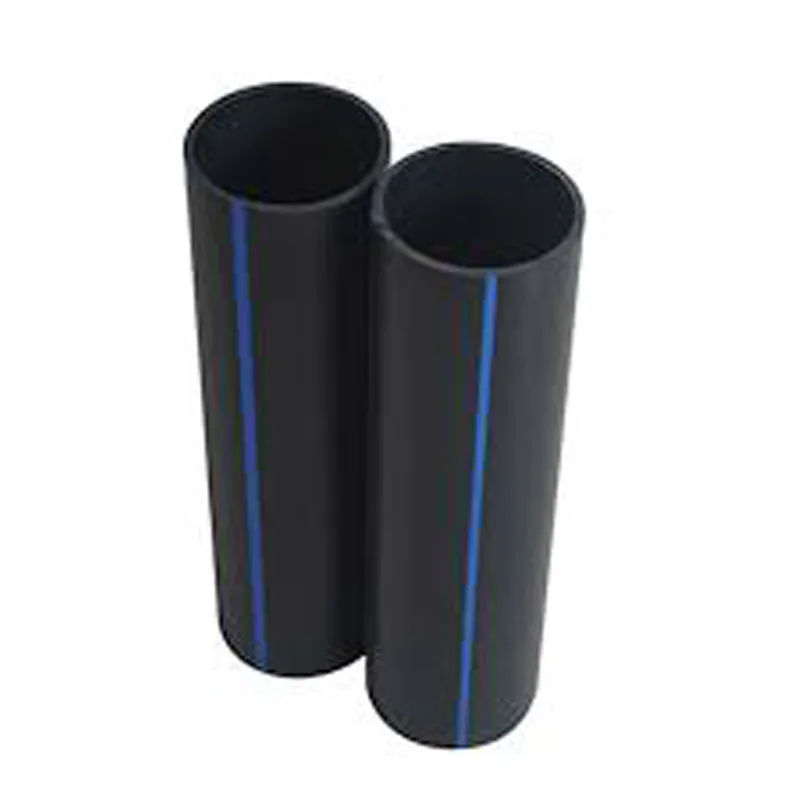
What is the HDPE pipe?
HDPE pipe is a type of plastic piping made from High-Density Polyethylene resin. It is known for its high strength-to-density ratio, which makes it lightweight yet extremely durable. HDPE pipes are used in various applications, including water supply, gas distribution, sewage systems, chemical transport, mining, and irrigation.
The unique molecular structure of HDPE provides excellent resistance to chemicals, UV rays, and extreme weather conditions. It is also highly flexible, allowing it to absorb shock and ground movements—making it ideal for underground installation.
Is HDPE the same as PE?
Not exactly. PE (Polyethylene) is the base material, and HDPE is a specific grade of PE with higher density and improved performance characteristics. In fact, PE is categorized into several types based on density:
LDPE (Low-Density Polyethylene) – Softer and more flexible, used in plastic bags and films.
MDPE (Medium-Density Polyethylene) – Used in some gas and water pipelines.
HDPE (High-Density Polyethylene) – Most commonly used in piping due to its strength and rigidity.
So while all HDPE is PE, not all PE is HDPE.
Which is Stronger: PE or HDPE?
HDPE is significantly stronger than other forms of PE. Its high-density structure allows it to withstand greater internal pressure, external loads, and mechanical stress. Compared to LDPE or MDPE, HDPE offers:
Higher tensile strength
Better impact resistance
Improved resistance to cracking and corrosion
These properties make HDPE the preferred choice for demanding pipeline systems in water supply, gas transmission, and industrial settings.
How many types of HDPE pipes are there?
HDPE pipes are classified based on:
1. Pressure Rating (PN values):
Common ratings include PN6, PN8, PN10, PN12.5, PN16, and PN20. These values represent the pressure the pipe can handle, in bars.
2. Standard Dimension Ratio (SDR):
SDR is the ratio of pipe diameter to wall thickness (e.g., SDR11, SDR17). A lower SDR means a thicker wall and higher pressure resistance.
3. Application:
HDPE Water Pipe
HDPE Gas Pipe
HDPE Sewer and Drainage Pipe
HDPE Cable Protection Conduit
Corrugated HDPE Pipe (double wall for drainage)
Each type is designed to meet specific needs based on operating pressure, environment, and safety requirements.
Is the HDPE pipe safe for drinking water?
Yes, HDPE pipe is one of the safest materials for potable (drinking) water systems. It is:
Non-toxic and inert, meaning it won’t leach chemicals into the water
Corrosion-free, unlike metal pipes
Certified by international standards, such as NSF/ANSI 61 and WRAS
Because it resists biofilm growth and bacterial contamination, HDPE is widely used in both urban and rural water distribution systems around the world.
How do you join the HDPE pipe?
HDPE pipes can be joined using several methods, with the most common being:
1. Butt Fusion Welding
The ends of two pipes are heated and then pressed together to form a permanent, leak-proof joint.
2. Electrofusion
Special fittings with built-in heating elements melt and fuse the pipe ends together when an electric current is applied.
3. Socket Fusion
Suitable for smaller-diameter pipes, this method involves heating a socket and pipe end, then inserting one into the other.
4. Mechanical Couplings
For temporary or flexible connections, mechanical joints like flanges or compression fittings may be used.
All these methods offer strong, leak-free connections and eliminate the need for glue or solvents.
HDPE pipes have revolutionized modern pipeline systems. Whether you're dealing with water, gas, chemicals, or cables, HDPE offers a reliable, long-lasting, and cost-effective solution. With superior strength, easy installation methods, and excellent safety for drinking water, HDPE has become the material of choice for engineers and contractors around the globe.
916.webp)
204.webp)
659.webp)
185.webp)
312.webp)
849.webp)
587.webp)
767.webp)