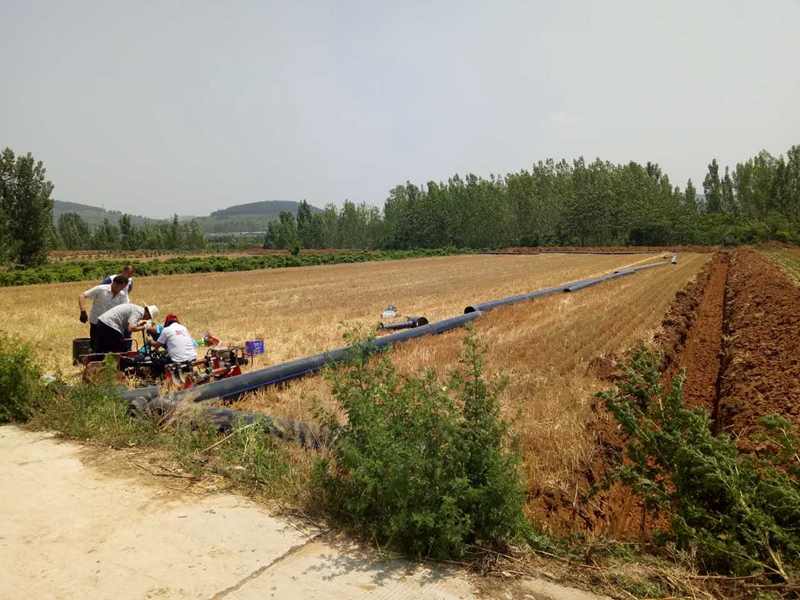
With the rapid development trend of the PE pipe industry, the quality of the pipeline is also improving. The PE pipe has also been quickly recognized and applied with its distinctive characteristics, and the application industry is also very common. What are the maintenance methods for PE pipes?
Long-term exposure to the sun will not only make the PE pipe aging, but also reduce its characteristics. The sun will penetrate into the pipe wall, providing conditions for the breeding of many microorganisms, and a lot of moss will grow on the water pipe, which will interfere with the application. The plastic will become brittle if it is cold, and if the water in the pipe freezes, the water pipe will swell. In order to better prevent long-term exposure or low temperature of the water supply pipe, do not install exposed water pipes as much as possible, or add thermal insulation material bags in exposed areas, and be sure to drain the water from the water pipes at night in winter.
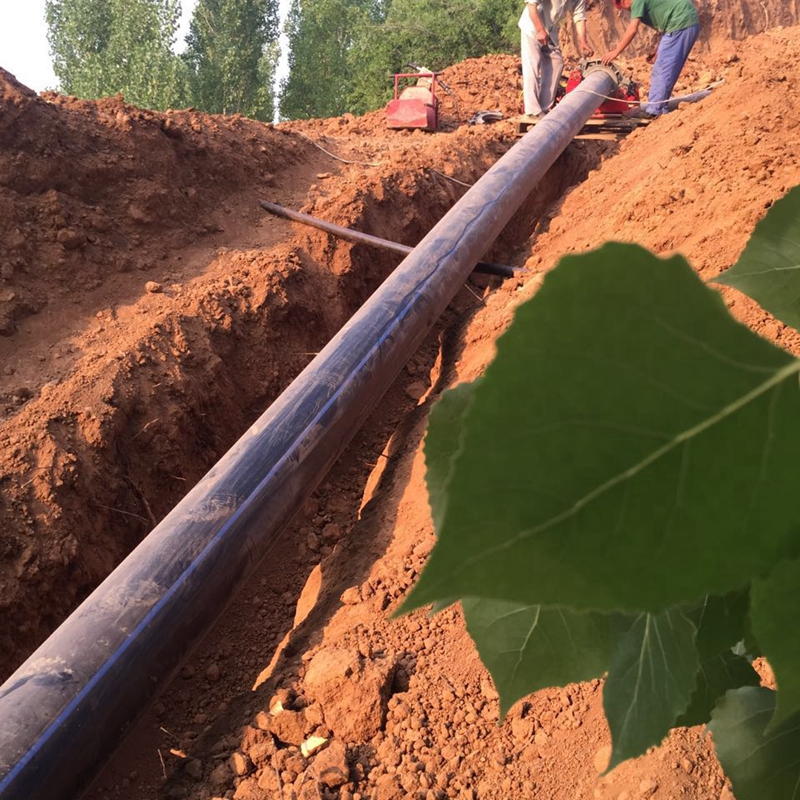
Blockage of PE pipes is common, and one of the reasons for blockage is that a certain part of the water pipe is blocked by foreign objects. Blocked water pipes not only cause inconvenience to our daily life, but also overburden the local water pipes and interfere with the service life of the water pipes. In order to better prevent blockage, a floor drain can be added to the drain pollution pipe to prevent foreign objects with excessive volume from entering the water pipe. The hardness of the PE pipe is constantly improving, but due to the excessive external burden, it bursts and leaks. Therefore, when setting the pipeline, set the pipeline at the top of the room as much as possible, which can not only prevent the pipeline from cracking and leaking water caused by pressure, but also prevent the major cost of repairing the pipeline by hitting the ground when the water leaks.
The use environment of PE pipe
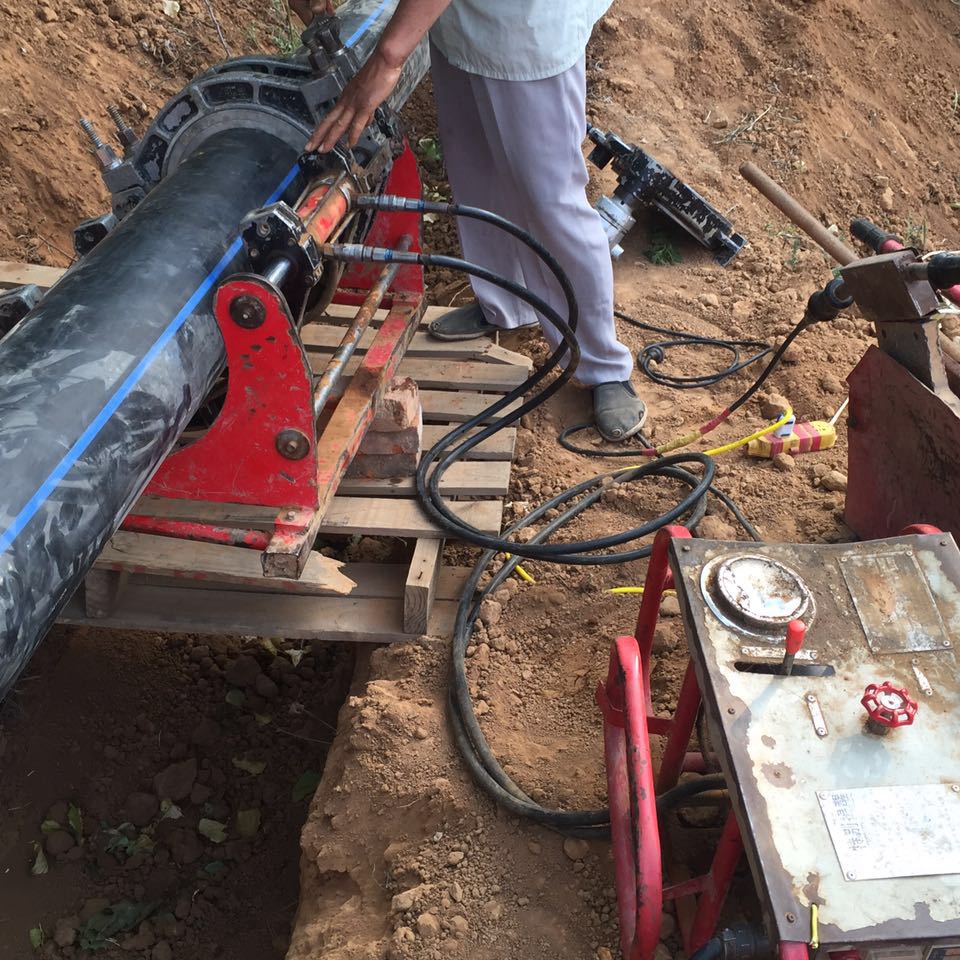
Because of its high compressive strength, corrosion resistance, non-toxicity and other characteristics, PE pipe has been widely used in pipe production and manufacturing. It is precisely because of its high-quality characteristics that the necessary requirements for the application environment are clearly put forward. The application environment can give full play to the ideal pipe effect. For the PE water supply pipeline in the usual soil section, just lay a layer of sand cushion on the base, and for the soft soil foundation, you need to lay a layer of gravel or gravel, and make it to the necessary thickness, and on the upper part A layer of sand cushion should be laid to reduce the harm of environmental factors to PE water supply pipes.
The above is a detailed introduction to the application environment of PE pipes. Each product is suitable for its own application environment. The same is true for PE water supply pipes. It has its own soil quality regulations. Easily destroyed and last longer.
Daily storage requirements for PE pipes
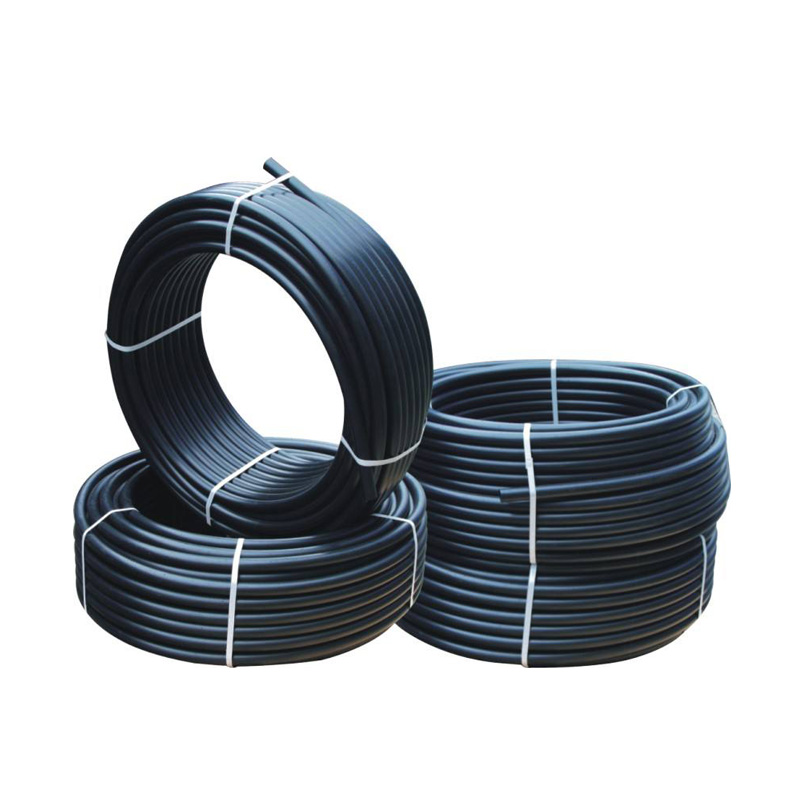
The main use of PE pipe in the pipe market is the most common application, because it has excellent waterproof, moisture-proof, aging resistance, long service life and other characteristics, and has been widely used by people. In the case of designing pipes, the pre-buried hole book is specially improved, which not only improves the speed of construction at a necessary level, but also ensures the purpose of saving construction costs. Many people do not know what to do when PE pipes are usually used. Storage, let's get to know it easily:
Under normal conditions, PE pipes should be stored in a dry warehouse at room temperature. If it is a straight pipe, it should be placed, and the stacking height should not exceed 2m. Disassembled and coiled perforated tubes can be placed and should be protected from pressure or crush build-up.
It cannot be mixed with toxic and harmful chemicals for storage. In addition, it is necessary to avoid the heat source and set a fire prohibition sign in the place where the pipes are stored. In fact, everyone's PE pipes also have application time. The lower storage cannot exceed 2 years. In order to better ensure the actual application effect of the product, it should be checked before application to prevent it from affecting the normal application in the middle and later stages.
Some of the standards for the usual storage of PE pipes are still expected to be grasped here. If the pipes can be used normally in the middle and late engineering construction process, we still need to grasp some uses in the specific operation process. Skill.
Pre-embedded method of PE water supply pipe
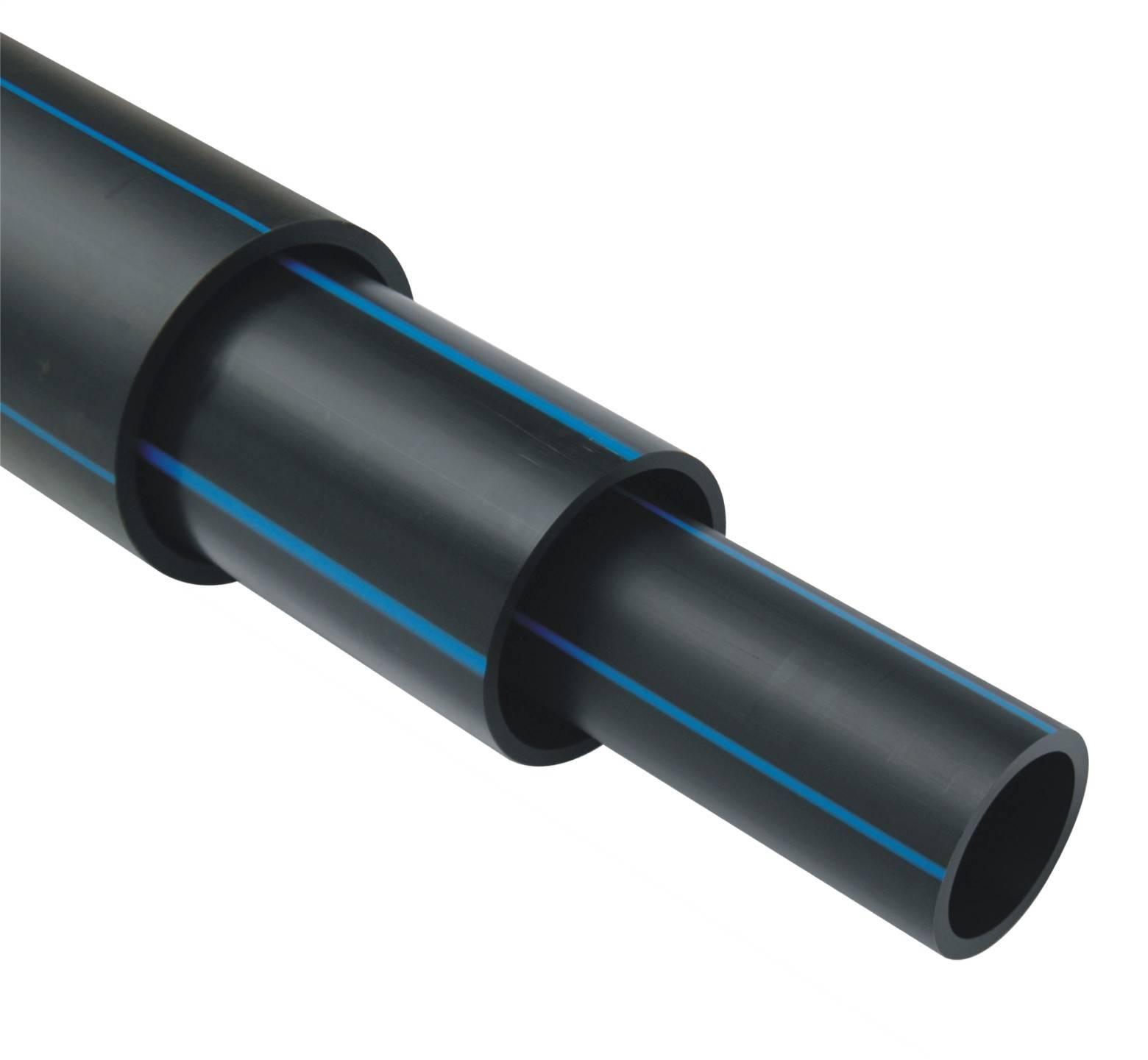
After the PE water supply pipe is installed, it must be buried, and it must be pre-buried before laying. However, as long as it is properly pre-buried, it can give full play to the relative actual effect of the product, and the corresponding nail holes can make The PE water supply pipe is precisely fixed on the estimated position, and it is not easy to move with the impact of the construction, thereby ensuring the beautiful and generous installation in the future. The anti-leakage flutes are placed in the concrete when pouring the floor, so that it is not easy to create gaps, thereby avoiding water seepage. The sealing cover prevents the concrete from entering the direct inner wall of the pre-buried, avoids the difficulty of installing the PE water supply pipe, and also prevents the sundries from entering the first installed pipe and causing the pipeline to be blocked in the future. The corners of the waterproof layer produce a wall thickness that hugs the pipe wall, which can prevent the water in the pipe from leaking out due to the unbalanced rubbing glue. In the case of carrying out the construction and use of buried projects, the above pre-buried uses need to be solved well, so that the buried use of pipes can be carried out smoothly, and the quality of buried construction of pipes can be ensured and improved.
Features of PE pipe
The service life of PE pipes can usually be used safely for more than 50 years. It has good hygienic properties, the PE pipe has no heavy metal salt stabilizer, the material is non-toxic, does not scale, and does not produce bacteria, which can avoid secondary environmental pollution of domestic water. PE is an inert material, which can resist the corrosion of a variety of chemical substances in addition to very few strong oxidants. The toughness is very good, the elongation at break of the PE pipe is usually above 500%, the high-strength anti-torque has a strong ability to adapt to the uneven settlement of the pipe base, and the seismic characteristics are very good. It has strong slow speed and fast cracking characteristics, low friction coefficient, small flow resistance, and transportation capacity is significantly higher than other pipes of the same diameter. With high-quality wear resistance, under the same standard, the wear resistance is 4 times that of steel pipes. It has good weldability, the interface strength exceeds that of the pipe itself, the flexibility is good, and the scratch resistance is good. Compared with other pipes, the engineering cost can be greatly reduced.
PE Pipe Storage Requirements Before Installation
Proper storage is an important part of PE pipe maintenance because damage can occur even before the pipeline is installed. Although polyethylene pipes are strong and flexible, incorrect storage conditions may affect their appearance, dimensions, and installation performance.
PE pipes should always be stored according to manufacturer recommendations and protected from unnecessary environmental stress.
Recommended PE Pipe Storage Practices
The following table summarizes the main storage requirements:
| Storage Factor | Recommended Practice | Possible Problems if Ignored |
|---|---|---|
| Sunlight exposure | Store pipes in shaded areas or use protective covers | UV aging and surface degradation |
| Storage location | Keep pipes in a clean and dry area | Contamination and physical damage |
| Stacking method | Place pipes on a stable flat surface | Pipe deformation |
| Chemical exposure | Keep away from harmful chemicals | Material deterioration |
| Temperature conditions | Avoid extreme heat sources | Loss of mechanical properties |
Additional storage recommendations include:
Keep PE pipes away from sharp objects that may scratch the surface.
Do not drag pipes across rough ground during handling.
Avoid placing heavy materials on top of stored pipes.
Inspect pipes before installation to confirm there are no visible defects.
Store fittings and accessories in clean conditions to prevent contamination.
For long-term storage, regular inspection is recommended to ensure that pipes remain suitable for installation.
PE Pipe Installation and Maintenance Best Practices
Correct installation is one of the most important factors affecting the long-term performance of PE pipe systems. Many pipeline problems are not caused by pipe quality but by improper installation procedures.
A professional installation process reduces future maintenance requirements and improves system reliability.
Proper Trenching and Backfilling
For underground PE pipe systems, trench preparation and backfilling directly influence pipeline performance.
Important considerations include:
The trench bottom should provide stable support.
Suitable bedding materials should be used.
Rocks and sharp objects should be removed.
Backfill materials should not damage the pipe surface.
Compaction should be performed according to engineering requirements.
A properly installed underground PE pipe can better withstand ground movement, pressure changes, and environmental stress.
Heat Fusion Joint Inspection
PE pipes are commonly connected through heat fusion methods, including butt fusion and electrofusion. These connection methods create strong, leak-resistant joints when performed correctly.
Maintenance teams should inspect:
Fusion bead appearance
Alignment of connected pipes
Signs of overheating or insufficient heating
Leakage around joints
Poor fusion quality may lead to connection failure even when the pipe itself remains undamaged.
Pressure Testing Before Operation
Before a new PE pipeline enters service, pressure testing should be performed to verify system safety.
Pressure testing helps identify:
Installation defects
Leakage points
Weak connections
Pressure resistance issues
Early detection of problems reduces future repair costs and prevents operational interruptions.
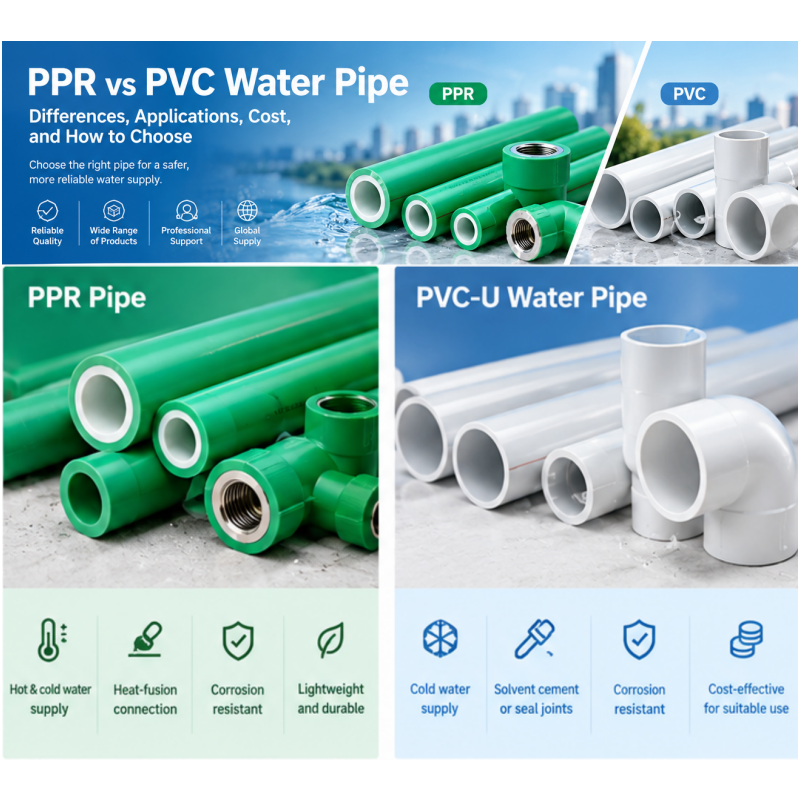
PE Pipe Maintenance Compared With Other Pipe Materials
Different pipe materials have different maintenance requirements. PE pipes are often selected because they provide excellent durability with relatively low maintenance needs.
The following comparison highlights the differences between PE pipes and other common piping materials.
| Feature | PE Pipe | PVC Pipe | Steel Pipe |
|---|---|---|---|
| Corrosion resistance | Excellent | Good | Requires protection |
| Flexibility | Very high | Medium | Low |
| Resistance to ground movement | Excellent | Moderate | Limited |
| Installation difficulty | Easy | Moderate | More complex |
| Joint reliability | Excellent with fusion welding | Depends on fittings | Depends on welding/coating |
| Maintenance requirement | Low | Medium | Higher |
| Expected service life | 50+ years | Around 30-50 years | Depends on environment |
Compared with traditional metal pipes, PE pipes offer advantages in environments where corrosion, soil movement, or chemical exposure may create challenges.
How to Extend the Service Life of PE Pipes
Although PE pipes are designed for long-term operation, proper management can further improve their performance.
The following practices help extend pipeline life:
1. Protect Pipes From Physical Damage
Avoid activities that may damage buried or exposed PE pipes, including:
Heavy vehicle loading
Unauthorized excavation
Impact from construction equipment
Clear pipeline location markings can help prevent accidental damage.
2. Maintain Suitable Operating Conditions
Every PE pipe system has specific design limits. Operators should monitor:
Working pressure
Fluid temperature
Chemical compatibility
Flow conditions
Operating beyond recommended limits may reduce service life.
3. Perform Regular Inspections
Regular inspection allows early detection of potential issues.
Inspection frequency depends on:
Application type
Environmental conditions
Operating pressure
Importance of the pipeline system
A simple inspection schedule can prevent expensive emergency repairs.
PE Pipe Inspection and Maintenance Checklist
A practical maintenance checklist helps operators manage PE pipeline systems efficiently.
| Inspection Item | Recommended Action |
|---|---|
| Pipe surface condition | Check for scratches, cracks, or deformation |
| Pipe connections | Inspect joints for leakage |
| Pressure performance | Monitor unusual pressure changes |
| Valves and fittings | Check operation and sealing condition |
| Pipeline environment | Remove external risks |
| Water quality | Check for contamination or blockage |
For large-scale pipeline projects, inspection records should be maintained to track system performance over time.
Signs That Your PE Pipe Needs Repair
Although PE pipes are durable, certain warning signs indicate that maintenance or repair may be required.
Common indicators include:
Reduced Flow Rate
A noticeable decrease in flow may indicate:
Internal blockage
Filter problems
Pressure loss
Pipeline damage
Visible Surface Damage
For exposed PE pipes, inspect for:
Deep scratches
Cracks
Unusual deformation
Discoloration caused by environmental exposure
Leakage Around Connections
Leakage is often related to:
Poor fusion joints
Damaged fittings
Excessive pressure
Installation problems
Professional inspection should be performed when leakage is discovered.
Professional PE Pipe Maintenance Benefits
Professional maintenance services provide several advantages, especially for large commercial or industrial pipeline systems.
Benefits include:
Accurate problem identification
Reduced downtime
Improved safety
Better long-term cost control
Extended pipeline service life
Experienced technicians can evaluate pipeline conditions and recommend suitable repair or replacement solutions.
Frequently Asked Questions About PE Pipe Maintenance
How long do PE pipes last?
Under proper installation and operating conditions, PE pipes can typically provide more than 50 years of reliable service. Actual lifespan depends on pressure, temperature, environment, and maintenance quality.
Do PE pipes require regular maintenance?
Yes. Although PE pipes require less maintenance than many traditional materials, regular inspections are recommended to identify possible issues before they become serious problems.
Can PE pipes be installed outdoors?
Yes, PE pipes can be used outdoors. However, long-term exposure to sunlight should be considered. Pipes installed above ground may require UV protection depending on application conditions.
How should PE pipes be cleaned?
PE pipes can usually be cleaned through flushing with clean water. For special industrial applications, cleaning methods should follow system requirements and material compatibility guidelines.
Can damaged PE pipes be repaired?
Yes. Depending on the type and severity of damage, PE pipes can often be repaired using appropriate fusion techniques, repair fittings, or replacement sections.
Conclusion
PE pipes are widely recognized as a reliable and cost-effective solution for modern pipeline systems. Their excellent corrosion resistance, flexibility, and long service life make them suitable for water supply, irrigation, industrial transportation, and many other applications.
However, proper maintenance remains essential to maximize the advantages of polyethylene piping systems. Protecting pipes during storage, ensuring professional installation, monitoring operating conditions, and conducting regular inspections can significantly improve pipeline reliability.
By following recommended PE pipe maintenance practices, users can reduce repair costs, prevent unexpected failures, and maintain efficient pipeline performance for decades.
A well-maintained PE pipe system is not only a durable infrastructure investment but also a long-term solution for safe and efficient fluid transportation.
Choose Reliable PE Pipes for Your Next Project
Looking for high-quality polyethylene pipes with excellent durability, flexibility, and long-term performance? Our PE pipe solutions are manufactured with advanced technology and strict quality control to meet the requirements of water supply, irrigation, industrial, and infrastructure projects.
With superior corrosion resistance, reliable fusion connections, and a service life of more than 50 years, our PE pipes provide a cost-effective solution for modern pipeline systems.
Whether you need standard PE pipes, customized sizes, or professional support for your project, our experienced team is ready to help you find the right solution.
Contact us today to get a quotation and learn more about our high-performance PE pipe products. Build a safer, more efficient, and more durable pipeline system with a trusted PE pipe supplier.
916.webp)
204.webp)
659.webp)
185.webp)
312.webp)
849.webp)
587.webp)
767.webp)