PE pipe literacy: Five common sense issues about PE pipes

Haili admin
Jul/31/2024
PE pipe literacy: Five common sense issues about PE pipes
Explore five essential common sense issues about PE pipes. Learn the key benefits, proper installation methods, common applications, maintenance tips, and environmental impact of polyethylene pipes. This guide provides valuable insights to help you make informed decisions for your piping needs, ensuring efficiency and sustainability in your projects.

Question 1: How many colors are there for PE pipes?


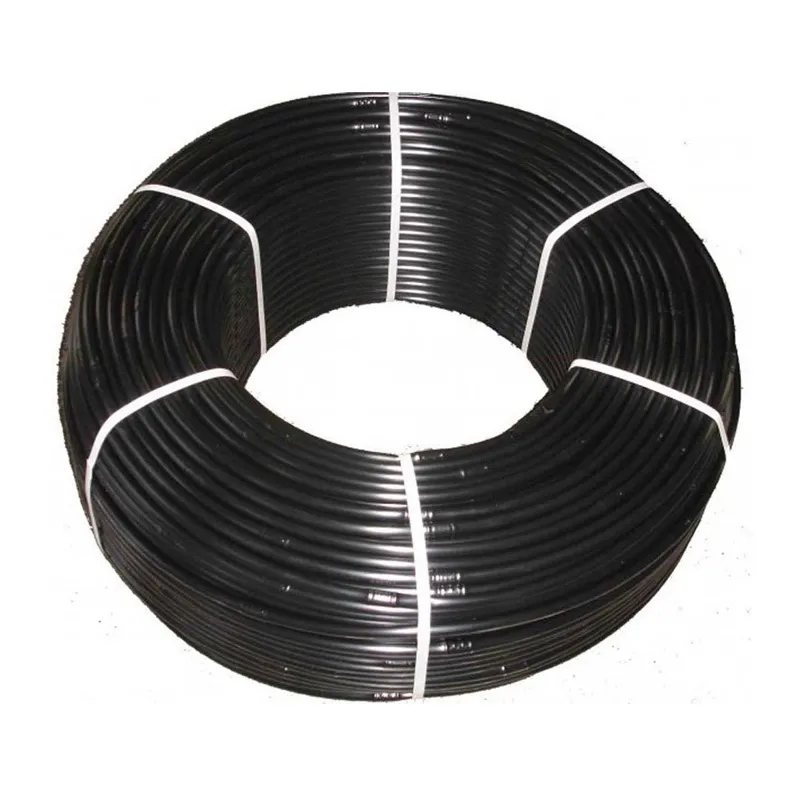
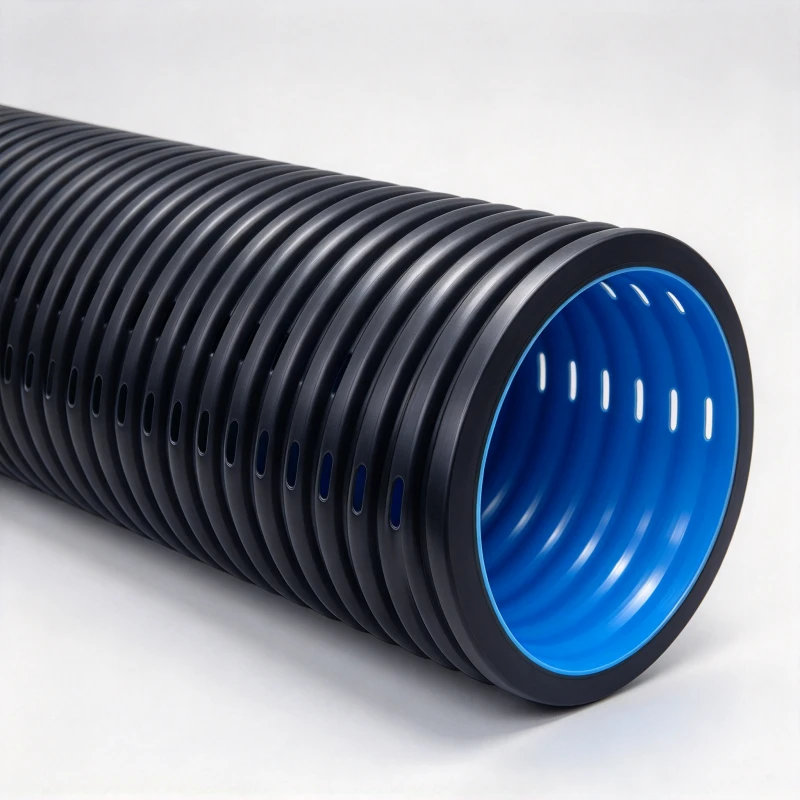
Answer: PE pipes are generally black, but they can also be customized in different colors according to customer needs. But whether it is black, white or red, different colored pipes are the result of adding different colored masterbatches, which has nothing to do with quality. The purpose is to prevent the pipes from breeding bacteria due to light transmission. Many people have misunderstandings about PE pipes during use, thinking that the quality of PE pipes is determined by color, but in fact the color of PE pipes is determined by the color of the added masterbatches.


Masterbatches are a new type of special colorant for polymer materials. Masterbatches are composed of three basic elements: pigments or dyes, carriers and additives. Generally, our common PE pipes use black masterbatches.


Question 2: Can PE pipes be used outdoors?


Answer: Yes, but using PE pipes outdoors will shorten their service life, because ultraviolet rays and wind and sun will accelerate the aging of PE pipes.


Question 3: Can PE pipes be used in winter?


Answer: The low-temperature catalytic temperature of polyethylene is extremely low, and it can be used safely in the range of -60-60℃. During winter construction, the pipe will not crack due to the good impact resistance of the material. PE pipes have very good toughness, so they will not be damaged by freezing when used outdoors. This is one of the greatest properties of PE pipes: low temperature resistance and antifreeze.


Question 4: Is PE pipe toxic?


Answer: PE pipes are divided into new material PE pipes and recycled material PE pipes. New material PE pipes have good hygienic properties: no heavy metal salt stabilizer is added during PE pipe processing, the material is non-toxic, non-stratified, and does not breed bacteria, which solves the secondary pollution of urban drinking water very well. Because PE pipes are clean and hygienic, they are widely used in urban water supply, food and other industries, but PE pipes with recycled materials are toxic and do not have the aforementioned hygienic properties.


Question 5: Are all PE pipe connection methods hot-melt connection?


Answer: The most commonly used connection method for PE pipes is hot-melt connection. In addition, there are also methods such as electric fusion connection, flange connection, and threaded connection.
TAGS

PE pipe

Send a Message

If you want to ask anything just fill in the form below and send us.

// News //

Our News

HDPE vs Ductile Iron Pipe – Which Is Better for Water Supply Systems?

03/03/2026

When selecting materials for municipal water supply or industrial transmission systems, engineers of...

HDPE vs PVC vs PPR — Material Comparison for Water Supply

03/03/2026

When selecting pipes for a water supply project, choosing the right material is critical. Among plas...

SDR11 vs SDR17 HDPE Pipe Price Difference – Factory Direct Supplier Guide

03/02/2026

Compare SDR11 vs SDR17 HDPE pipe price from a factory direct supplier. Understand cost, pressure rat...

HDPE Pipe Price 2026 – Factory Direct Supplier from China

03/02/2026

HDPE pipe price guide from a factory direct supplier. PE100 SDR11 and SDR17 pipes for irrigation, mu...

HDPE Pipe Maximum Temperature

02/28/2026

When selecting polyethylene piping for water supply or industrial systems, one of the most frequentl...

HDPE PE100 Pipes
HDPE PE100 Pipes

02/27/2026

High-density polyethylene (HDPE) pipes have become the benchmark in modern piping systems due to the...

// Our Products //

New Products

PVC Suction Hose
PVC Suction Hose

PVC Suction Hose is a durable and flexible PVC suction hose pipe designed for suction and discharge ...

PVC Layflat Hose
PVC Layflat Hose

PVC Layflat Hose is a flexible and durable PVC hose designed for efficient water discharge, agricult...

PVC Spray Hose
PVC Spray Hose

PVC Spray Hose is a flexible hose widely used in agricultural spraying systems. It is designed for p...

PVC Air Hose
PVC Air Hose

PVC Air Hose is a flexible hose designed for compressed air transportation in industrial equipment, ...

PVC Fiber Reinforced Hose

Our PVC fiber reinforced hose and PVC transparent hose are versatile hoses designed for multiple app...

PVC Fiber Reinforced Hose

High quality PVC fiber reinforced hose for food and industrial liquid transfer. Flexible PVC hose wi...

PVC Steel Wire Reinforced Hose

Our PVC steel wire reinforced hose is a high-quality PVC hose designed for both food and industrial ...

Fabricated HDPE Fittings

Fabricated HDPE fittings are high-strength PE100 pipeline components manufactured by cutting and but...