241.webp)
In the pipeline system, the pipe end cap is a seemingly inconspicuous component that plays a vital role. It is like a silent guard to ensure the safe operation and effective closure of the pipeline.
Ⅰ. Definition and function of pipe end cap
The pipe end cap is a pipe used to end cap the end of the pipeline. Its main functions are as follows:
1. Prevent fluid leakage In the pipeline system, if the end of the pipeline is not closed, there will be a risk of fluid leakage. The pipe end cap can tightly seal the pipe mouth, prevent the leakage of liquid or gas, and ensure the sealing of the pipeline system. Whether in industrial production or daily life, preventing fluid leakage is crucial. It can not only avoid waste of resources, but also prevent safety accidents caused by leakage.
2. Facilitate pipeline maintenance and inspection When performing pipeline maintenance or inspection, the pipe end cap can close the pipeline for staff to operate. For example, when a section of the pipeline needs to be repaired, end caps can be installed at both ends to isolate the section of the pipeline from the entire system, which is convenient for maintenance work and will not affect the normal operation of other parts.
3. Protect the inside of the pipeline There are various impurities and pollutants in the external environment. If these substances enter the inside of the pipeline, they may cause corrosion, blockage and other adverse effects on the pipeline. Pipe end caps can effectively prevent external impurities from entering the pipeline and protect the cleanliness and safety of the inside of the pipeline. At the same time, during the installation of the pipeline, the end cap can also prevent dust, debris, etc. from entering the pipeline, ensuring that the pipeline is in good condition before it is put into use.
Ⅱ. Types of pipe end caps
1. Plastic end caps
Plastic end caps are usually made of plastics such as polyethylene and polypropylene. This type of end cap has the following characteristics:
(1) Light weight: The plastic material makes the end cap easy to carry and install, reducing the difficulty of construction.
(2) Corrosion resistance: For some highly corrosive media, plastic end caps have good corrosion resistance and can extend the service life.
(3) Low cost: The production cost of plastic end caps is relatively low, and the price is relatively economical.
528598.webp "pipe-end-cap (2)528598.webp")
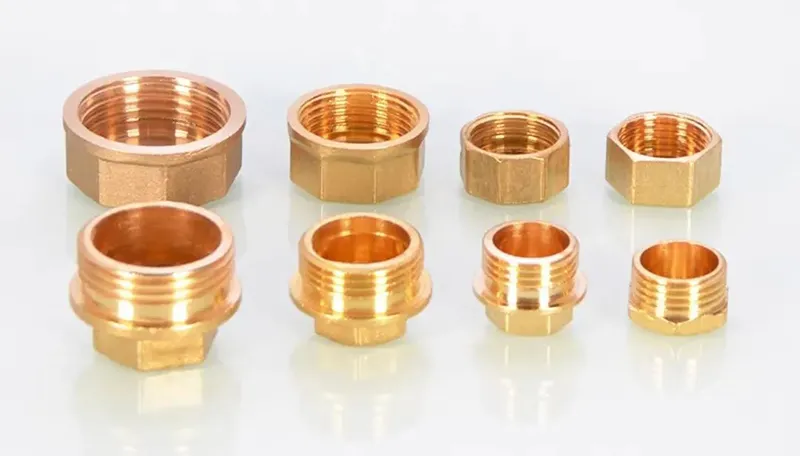
2. Metal end caps
Metal end caps mainly include steel end caps, copper end caps, etc. The advantages of metal end caps are:
(1) High strength: Able to withstand high pressure and temperature, suitable for pipeline systems under high pressure or high temperature environment.
(2) Good durability: Metal material has good wear resistance and corrosion resistance, and long service life.
(3) Reliable sealing: Through precise processing technology, good sealing effect can be achieved.
3. Rubber end caps
Rubber end caps are made of rubber materials and have the following characteristics:
(1) Good elasticity: Rubber end caps can adapt to pipe openings of different shapes, ensure tight fit and achieve good sealing.
(2) Shock absorption and noise reduction: In the pipeline system, rubber end caps can play a certain role in shock absorption and noise reduction, reducing vibration and noise during pipeline operation.
(3) Easy installation: Rubber end caps are usually installed by insert or clamp type, which is simple and quick to operate.
613014.webp "pipe-end-cap (3)613014.webp")
III. Characteristics of pipe end caps
1. Good sealing The primary feature of pipe end caps is good sealing. No matter what material the end cap is made of, it must have good sealing performance to ensure the safe operation of the pipeline system. In order to achieve a good sealing effect, the end cap usually adopts a special design structure, such as rubber sealing ring, threaded connection, etc. At the same time, during the installation process, it is also necessary to strictly follow the operating procedures to ensure that the end cap is installed firmly and the seal is reliable.
2. Easy installation The installation of pipe end caps is usually simple and convenient. Different types of end caps use different installation methods, such as threaded connection, welding, clamp connection, etc. These installation methods are simple and quick to operate, which can greatly improve the construction efficiency. In addition, some end caps can also be quickly installed and disassembled, which is convenient for pipeline maintenance and repair.
3. Strong durability According to different materials and use environments, pipe end caps have different durability. Generally speaking, metal end caps and rubber end caps have relatively good durability and can be used for a long time in harsh environments. The durability of plastic end caps is relatively weak, but its cost is low and it is easy to replace, and it has also been widely used. When choosing a end cap, it is necessary to comprehensively consider factors such as durability and cost according to the actual use.
4. Diverse specifications In order to adapt to pipes of different diameters, pipe end caps have a variety of specifications to choose from. From a few millimeters to a few meters of pipe diameter, you can find end caps of corresponding specifications. In addition, there are many shapes of end caps, such as round, square, oval, etc., which can meet the needs of different pipeline systems.
Ⅳ. Application fields of pipe end caps
1. Construction engineering In construction engineering, pipe end caps are widely used for end closure of water supply and drainage pipes, heating pipes, ventilation pipes, etc. For example, during house decoration, pipe connectors such as faucets and angle valves are usually temporarily closed with plastic end caps when not in use to prevent debris from entering the pipes. During the construction process, water supply and drainage pipes are also closed with end caps after installation, waiting for subsequent pressure testing and acceptance.
2. Industrial field In chemical, petroleum, natural gas and other industrial fields, pipe end caps play a vital role. The pipeline systems in these industries usually need to withstand harsh conditions such as high pressure, high temperature, and corrosive media, so the quality and performance requirements of the end caps are very high. Metal end caps and rubber end caps have been widely used in these fields. They can ensure the safe operation of the pipeline system and prevent leakage accidents.
3. Home decoration In home decoration, pipe end caps are also often used. In addition to the temporary closure of pipe connectors such as faucets and angle valves mentioned above, some families will also use end caps to close unnecessary pipe openings when renovating waterways to prevent water leakage and debris from entering. In addition, when installing water heaters, water purifiers and other equipment, end caps may also be used to connect and close pipes.
606782.webp "pipe-end-cap (4)606782.webp")
349493.webp "pipe-end-cap (5)349493.webp")
Although the end cap is a small component, it plays an indispensable role in the pipeline system. Whether in construction engineering, industrial fields or home decoration, it can be seen. When choosing a pipe end cap, it is necessary to comprehensively consider factors such as material, specification, sealing, installation method, etc. according to actual use to ensure that the appropriate end cap is selected to ensure the safe operation of the pipeline system.
916.webp)
204.webp)
659.webp)
185.webp)
312.webp)
849.webp)
587.webp)
767.webp)