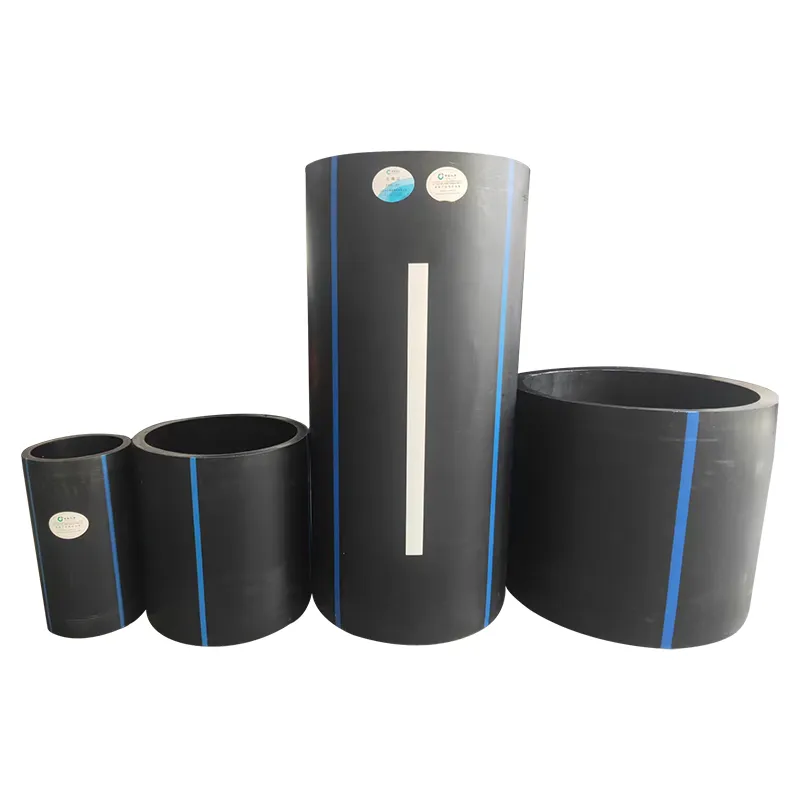
Whether in industrial, commercial, or household applications, the long-term and stable operation of pipelines is inseparable from the correct cleaning and maintenance methods. Through scientific maintenance, not only can the service life of pipelines be extended, but also potential safety hazards can be prevented.
First of all, regular cleaning is the key, especially in pipelines that transport liquids, regularly clean internal sediments and scale to prevent blockage and corrosion. Using appropriate cleaning agents or mechanical cleaning tools can effectively remove impurities in the pipeline.
Secondly, during the maintenance process, attention should be paid to the inspection of the outside of the pipeline, especially for buried pipelines, and its anti-corrosion layer should be regularly checked to see if it is intact to avoid erosion of the pipeline by the external environment. For exposed pipelines, ensure that there are no cracks or wear on the surface.
In addition, maintaining proper use conditions is also an important part of maintenance. Pipelines should operate within their designed temperature and pressure range to avoid damage to the pipeline caused by excessive stress or temperature changes.
Finally, it is recommended to establish a regular maintenance plan, including pressure testing and sealing testing, to detect potential problems in advance and deal with them in time, extend the service life of the pipeline, and ensure the safety and efficiency of the system.
Ⅰ. Necessity of polyethylene water pipe cleaning
Remove sediment: After long-term use of polyethylene water pipes, scale, rust, silt and microorganisms may accumulate on the inner wall.
Prevent blockage: Cleaning can keep the water flowing smoothly, especially for branch pipes or pipes with smaller diameters.
Ensure water quality and hygiene: Drinking water pipes need to be cleaned regularly to prevent the growth of microorganisms.
Ⅱ. Steps for cleaning polyethylene water pipes
1. Preparation
1. Determine the cleaning scope: According to the pipe network design drawings, clearly identify the pipe sections and connections that need to be cleaned.
2. Turn off the water source: Before cleaning, turn off the water inlet valve to ensure that the cleaning process does not affect other parts of the water supply system.
3. Check the condition of the pipe: Check for ruptures, leaks or other damage to ensure that the pipe is suitable for cleaning.
2. Cleaning method
1. Water flushing
Scope of application: Applicable to general silt, scum and small particles of impurities.
Operation steps:
Use a high-pressure water gun or water pump to inject high-pressure water through each end of the pipe.
Ensure that the water flow rate reaches 2-3 m/s to flush away impurities on the pipe wall.
Check the transparency of the discharged water until the water is clear.
2. Air mixing flushing
Scope of application: Suitable for stubborn deposits and pipes that have not been cleaned for a long time.
Operation steps:
Connect the air compressor to the polyethylene water pipe and use the mixed flow of air and water to enhance the flushing effect.
Operate section by section during flushing and control the pressure to protect the pipe.
3. Chemical cleaning
Scope of application: Deal with stubborn scale, rust or organic deposits.
Operation steps:
Select food-grade cleaning agents (such as citric acid or hydrogen peroxide) according to the nature of the contaminants.
Circulate the chemical solution in the pipe for a period of time (usually 30 minutes to 1 hour).
Rinse the pipe with plenty of clean water to ensure that there is no chemical residue.
Note: After cleaning the drinking water pipe, the water quality should be tested to ensure that it meets safety standards.
4. Mechanical cleaning
Scope of application: Suitable for pipes with larger diameters or occasions with severe deposits.
Operation steps:
Insert the pipe cleaner (such as a brush or scraper) into the pipe, and use water flow or mechanical equipment to push and clean the inner wall.
Repeat the operation until the inner wall is smooth and free of residue.
III. Treatment after cleaning
1. Drainage detection
After cleaning, the discharged water sample should be tested to check whether it contains impurities or pollutants.
2. Water quality recovery
If it is a drinking water pipe, disinfectant water should be injected for secondary cleaning after cleaning to ensure water quality safety.
3. Operation test
Turn on the water source to test whether the pipe has restored normal water supply, check the pressure, flow and whether there are leaks.
IV. Cleaning frequency
1. Drinking water pipes
Clean once every 6-12 months, depending on the water quality.
2. Industrial pipes
According to the pollution characteristics of the conveying medium, formulate a more frequent cleaning plan.
3. Spare pipes
Pipes that have not been used for a long time must be cleaned before activation.
Ⅴ. Precautions for cleaning
Safe operation: When cleaning with high pressure, pay attention to the safety of the operator and wear protective equipment.
Avoid excessive pressure: Prevent damage to the PE pipe.
Environmental discharge: Cleaning drainage should meet environmental protection requirements to avoid polluting the surrounding environment.
916.webp)
204.webp)
659.webp)
185.webp)
312.webp)
849.webp)
587.webp)
767.webp)