Introduction
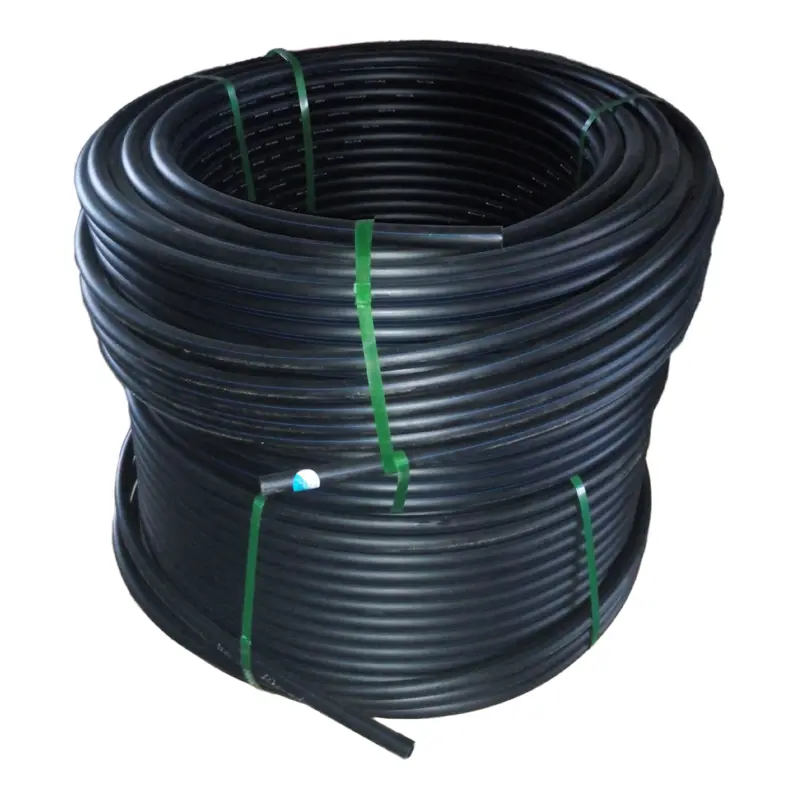
Small-diameter PE (polyethylene) pipes have emerged as a preferred choice for plumbing and HVAC (Heating, Ventilation, and Air Conditioning) systems in residential, commercial, and industrial buildings. These pipes, typically ranging from ½ inch to 2 inches in diameter, offer a wide range of benefits, including versatility, reliability, and efficiency. In this article, we will explore the various advantages and applications of small-diameter PE pipes in plumbing and HVAC systems.
1.Versatility and Durability
Small-diameter PE pipes are known for their versatility and durability, making them ideal for various plumbing and HVAC applications. They can handle both hot and cold water distribution, including potable water supply, and serve as conduits for chilled water in air conditioning systems. These pipes effectively resist corrosion, abrasion, and chemical degradation, ensuring long-term performance and minimizing the risk of leaks or failures. Additionally, small-diameter PE pipes are lightweight and flexible, enabling easy installation and reducing labor costs.
2.Excellent Flow Characteristics
One of the key advantages of small-diameter PE pipes is their excellent flow characteristics. These pipes offer a smooth interior surface, resulting in reduced friction losses and improved flow rates. The improved hydraulic efficiency translates to reduced energy consumption, providing cost savings and environmental benefits. Furthermore, the smooth internal surface of PE pipes minimizes the deposition of sediments, scale, and contaminants, ensuring improved water quality and reduced maintenance requirements.
3.Resistance to Corrosion and Chemicals
Corrosion can significantly impact the performance and lifespan of plumbing and HVAC systems. Small-diameter PE pipes, however, exhibit excellent resistance to corrosion and exposure to various aggressive substances commonly found in water and HVAC applications. These pipes are not susceptible to rust or degradation, even in challenging environments. Moreover, the chemical resistance of PE pipes allows them to withstand the effects of disinfectants, acids, alkalis, and other chemicals, ensuring long-term reliability and durability.
4.Leak-Free and Reliable Performance
The fused joints in small-diameter PE pipes contribute to their leak-free and reliable performance. PE pipes can be joined through various methods such as heat fusion, electrofusion, or mechanical connectors. These jointing techniques ensure a strong, seamless connection, eliminating the risk of leakage. The absence of leaks prevents water or energy wastage and reduces the potential for damage to property. Additionally, the flexibility of small-diameter PE pipes enables them to withstand ground movements, temperature variations, and other stress factors, ensuring long-term reliability.
5.Cost-Effectiveness and Easy Installation
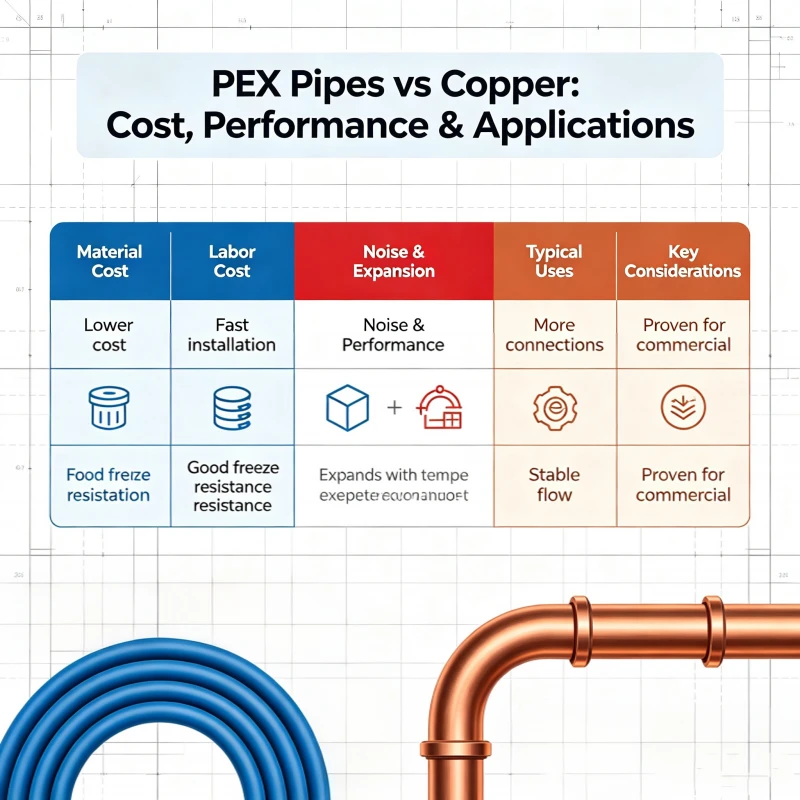
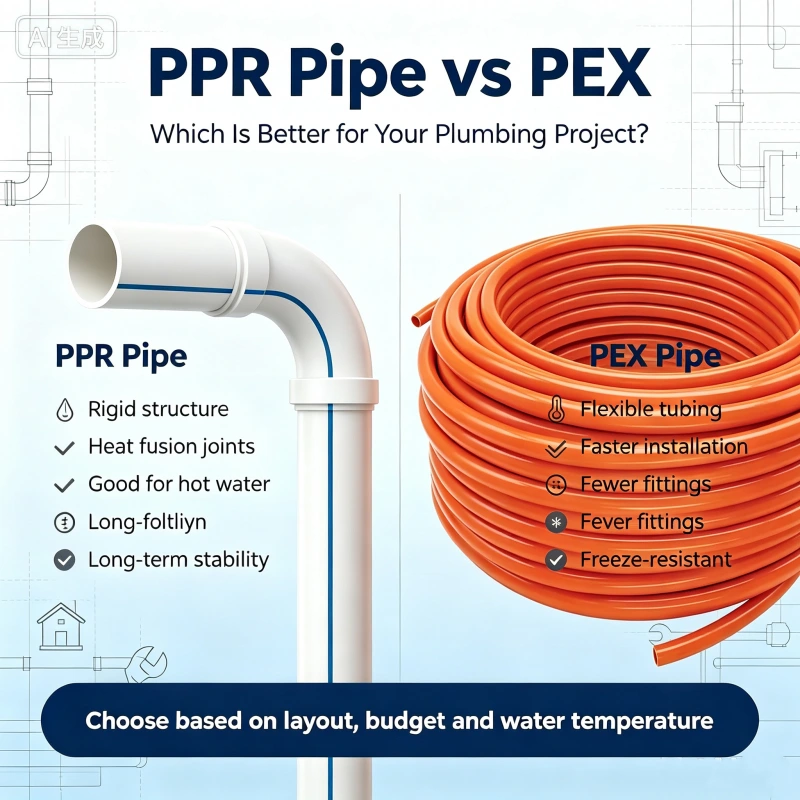
Small-diameter PE pipes offer cost-effective solutions for plumbing and HVAC systems. The material costs of PE pipes are typically lower compared to traditional piping materials like copper or steel. Moreover, their lightweight nature simplifies transportation and handling, reducing logistics expenses. The flexibility of PE pipes facilitates easier installation, requiring fewer fittings and connections. The installation process can be faster and more straightforward, resulting in reduced labor costs and shorter project timelines.
6.Sustainability and Environmental Considerations
Small-diameter PE pipes align with sustainability goals and environmental considerations. PE is an environmentally friendly material that can be recycled, reducing its environmental impact. Additionally, the excellent hydraulic efficiency and leak-free performance of PE pipes contribute to water conservation and energy efficiency. By minimizing water and energy wastage, these pipes support sustainable practices and help reduce the carbon footprint of plumbing and HVAC systems.
Conclusion
Small-diameter PE pipes have become go-to options for plumbing and HVAC systems due to their versatile nature, durability, excellent flow characteristics, resistance to corrosion and chemicals, leak-free performance, cost-effectiveness, and sustainability aspects. These pipes provide reliable and efficient solutions that meet the demands of modern construction projects. As plumbing and HVAC systems continue to evolve, small-diameter PE pipes will play a crucial role in ensuring reliable and sustainable water supply and thermal comfort. Choosing the right piping material is essential to ensure the long-term performance and efficiency of plumbing and HVAC systems, and small-diameter PE pipes prove to be an excellent choice.
916.webp)
204.webp)
659.webp)
185.webp)
312.webp)
849.webp)
587.webp)
767.webp)