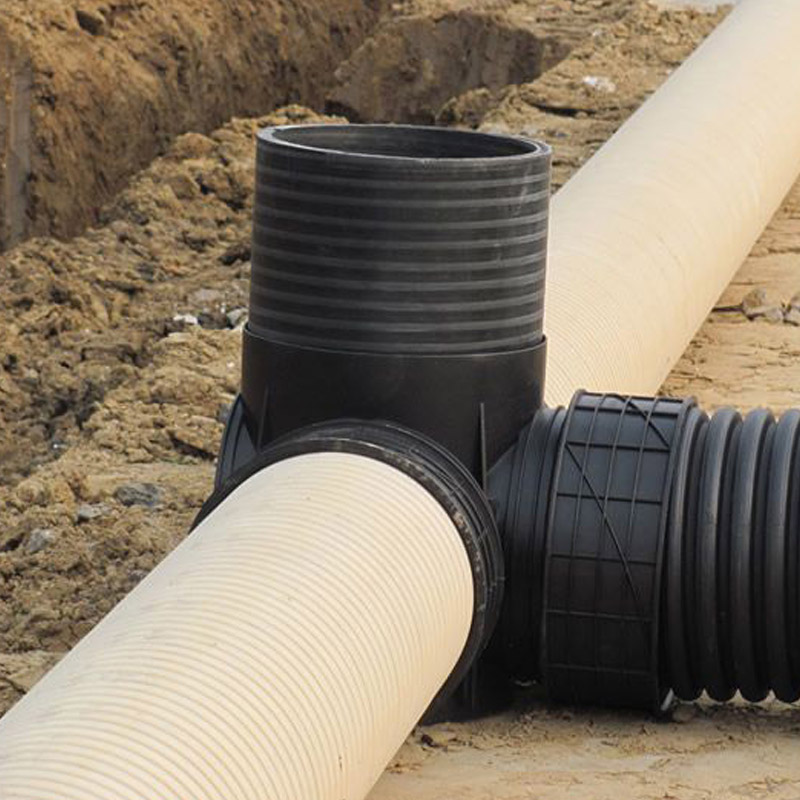
PVC pipes are widely used in residential, commercial, agricultural, and industrial piping systems because of their excellent corrosion resistance, lightweight structure, durability, and cost-effectiveness. However, the performance of a PVC piping system depends not only on the quality of the pipes but also on the connection method used during installation.
Choosing the correct PVC pipe connection method ensures leak-free operation, long service life, and reliable performance under different pressure and environmental conditions. Depending on pipe diameter, application requirements, and installation conditions, PVC pipes can be connected using solvent cement bonding, rubber ring socket connections, flange connections, and other specialized methods.
This guide explains the most common PVC pipe joining methods, their advantages and limitations, installation procedures, and how to select the best connection solution for different projects.
Why Proper PVC Pipe Connection Is Important
A PVC pipe system consists of multiple pipe sections and fittings connected together. Even when high-quality PVC pipes are used, improper connections can lead to water leakage, pressure loss, pipe movement, or premature system failure.
A reliable PVC pipe connection should provide:
Strong joint strength
Excellent sealing performance
Resistance to pressure and temperature changes
Easy installation and maintenance
Long-term durability
Different applications require different connection methods. For example, underground water supply pipelines usually require flexible connections that can handle ground movement, while indoor plumbing systems often prefer simple and economical adhesive connections.
What are the connection methods of PVC pipes?
There are three main connection methods of PVC pipe: sealing rubber ring, bonding and flange connection. Pipes with a pipe diameter greater than or equal to 100 mm generally use rubber ring interfaces; pipes with a pipe diameter less than 100 mm generally use adhesive joints, and some use live joints. When the pipeline crosses the sewers or other pipelines, metal pipes are generally used. At this time, the plastic pipes and the metal pipes are flanged. The connection between the front and rear of the valve and the pipeline is also flanged.
1. Solvent Cement Connection for PVC Pipes
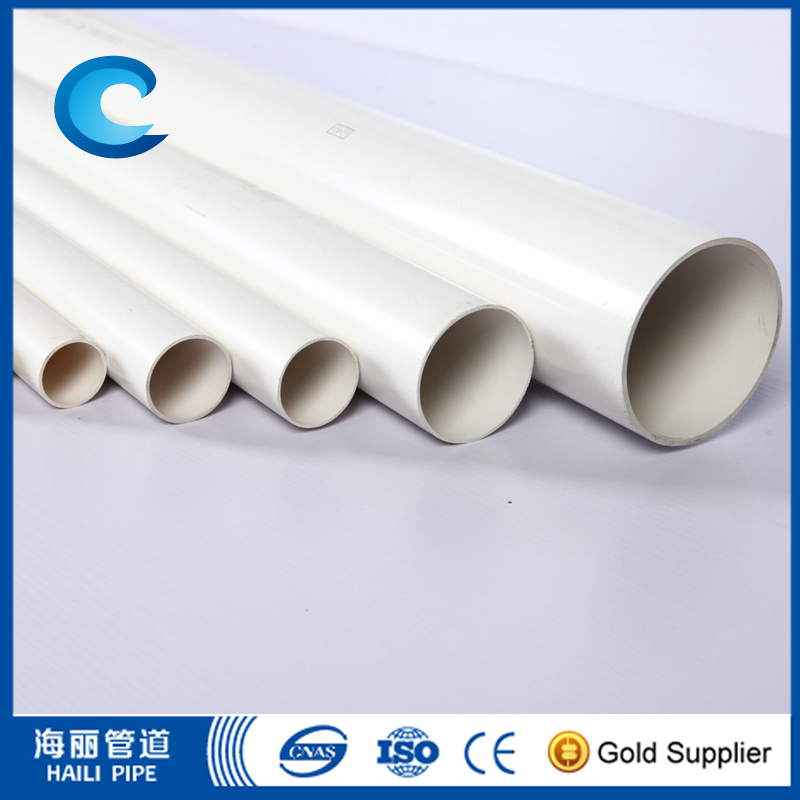
When the small-diameter pipe is bonded by solvent, the socket must be rounded to form a groove, and the fracture must be flat and the axis is vertical, so that the bonding can be firm and avoid water leakage.
Solvent cement connection is one of the most popular methods for joining small and medium-sized PVC pipes. It uses PVC adhesive, also called PVC cement, to chemically bond the pipe and fitting together.
During installation, the solvent cement softens the surface layers of the PVC material. When the pipe is inserted into the fitting, the two surfaces fuse together and create a strong permanent joint.
Installation Process of Solvent Cement Connection
The basic installation steps include:
Step 1: Cut the PVC Pipe
The pipe should be cut evenly and at a right angle. An uneven pipe end may create gaps inside the joint and reduce sealing performance.
Step 2: Remove Burrs and Clean the Surface
After cutting, remove sharp edges and clean dust, moisture, and oil from the pipe end and fitting socket.
Step 3: Apply PVC Cement
Apply an even layer of suitable PVC adhesive to both the pipe surface and the inside of the fitting.
Step 4: Insert and Hold the Pipe
Insert the pipe into the fitting immediately after applying cement. Rotate slightly during insertion to improve bonding.
Step 5: Allow Proper Curing Time
The joint must remain undisturbed until the adhesive fully cures before pressure testing.
Advantages and Disadvantages of Solvent Cement Connection
| Advantages | Disadvantages |
|---|---|
| Simple installation process | Permanent connection that cannot be easily removed |
| Low installation cost | Requires correct adhesive application |
| Good sealing performance | Curing time is required |
| Suitable for small diameter pipes | Not ideal for very large pipes |
Applications of Solvent Cement PVC Connections
Solvent cement connections are commonly used for:
Residential water supply pipes
Drainage systems
Irrigation systems
Swimming pool piping
Low and medium pressure applications
This method is especially suitable where fast installation and low cost are important.
2. Rubber Ring Socket Connection for PVC Pipes
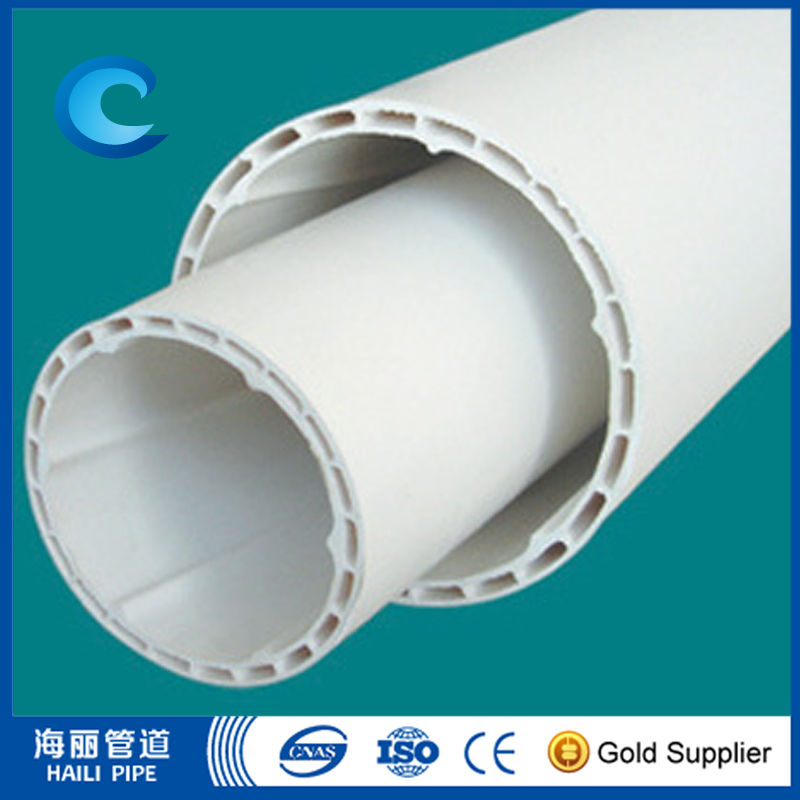
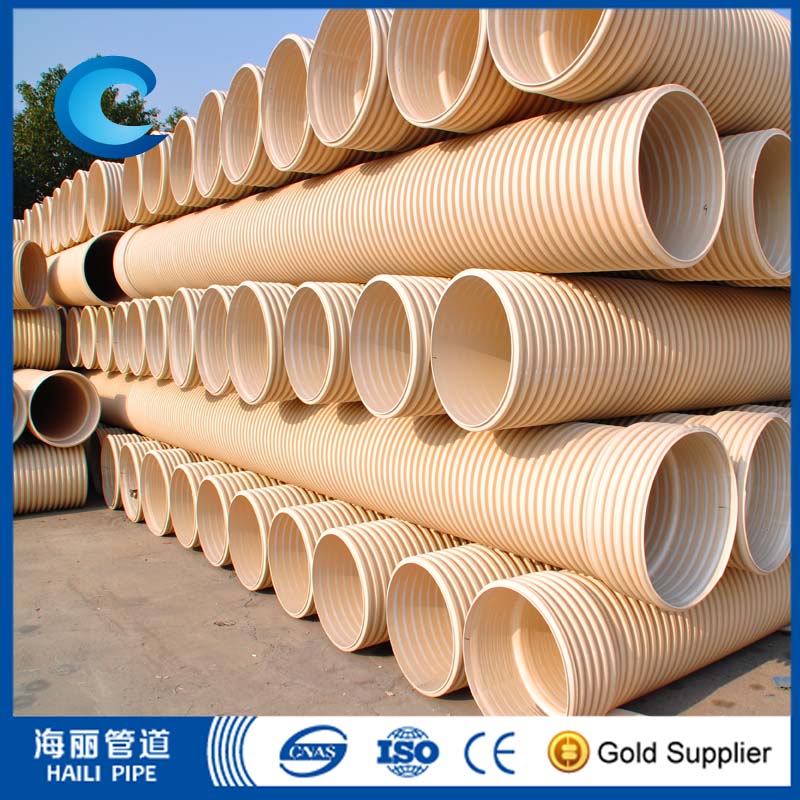
Generally, PVC pipes with a pipe diameter greater than or equal to 100 mm use rubber ring interfaces. Before installation, personnel must be arranged to chamfer the pipe socket part, and also check whether the quality of the rubber ring is qualified. During installation, the socket, rubber ring, etc. must be wiped clean.
Rubber ring socket connection is widely used for large-diameter PVC pipes, especially in underground water supply and drainage projects.
Unlike solvent cement connections, this method does not permanently bond the pipe. Instead, a rubber sealing ring installed inside the socket creates a watertight connection.
The flexible design allows small movements caused by soil settlement, temperature changes, and external pressure.
Installation Process of Rubber Ring Connection
Step 1: Check the Rubber Ring
Before installation, inspect the rubber ring to ensure there are no cracks, deformation, or damage.
Step 2: Clean the Socket and Pipe End
Remove dirt, sand, and other contaminants from the connection area.
Step 3: Apply Lubricant
Use approved lubricant on the pipe spigot and rubber ring to reduce friction during insertion.
Step 4: Insert the Pipe
Push the pipe end into the socket until it reaches the correct installation position.
Step 5: Check Alignment
Ensure that the pipes are properly aligned and the rubber ring remains in the correct position.
Advantages and Disadvantages of Rubber Ring Connection
| Advantages | Disadvantages |
|---|---|
| Suitable for large diameter PVC pipes | Higher material cost compared with glue connection |
| Allows pipe movement and expansion | Requires careful installation |
| Faster installation for large projects | Rubber ring quality affects performance |
| Easy maintenance and replacement | Not suitable for all pressure systems |
Applications of Rubber Ring PVC Connections
This connection method is commonly used in:
Municipal water supply pipelines
Underground drainage systems
Sewer pipelines
Large irrigation projects
Industrial water transportation systems
For buried pipelines, rubber ring connections are often preferred because they can better handle soil movement.
The ditch excavation of traditional pipeline installation only requires that the pipeline can be put into the ditch and can be sealed. When the original soil layer is not loosened, it is not necessary to pressurize and compact the cushion.
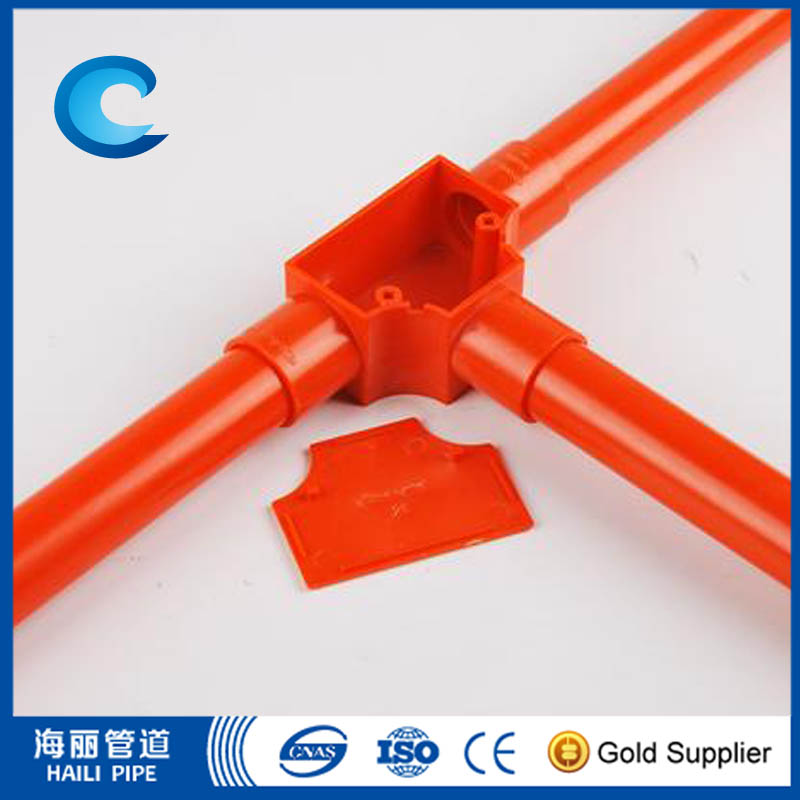
Generally, the branch pipe of PVC pipe can be split by tee or vertical water stop. During construction, a saddle-shaped fitting, half a two-in-one three-way, can be added, and clamped with U-shaped bolts, which thickens the pipe wall, and then drills directly on it to open the teeth, and then uses external threaded plastic parts to connect them. The test shows that the pressure test and acceptance after construction by this method can fully meet the requirements of the specification. In addition, thrust piers should be installed at the positions where the water flow in the pipe generates thrust, such as elbows, tees and pipe end sealing plates to withstand the thrust of the water flow.
3. Flange Connection for PVC Pipes
Flange connection is a mechanical joining method that uses bolts, flanges, and sealing gaskets to connect PVC pipes with other components.
Unlike solvent cement and rubber ring connections, flange connections can be easily removed, making them ideal for systems requiring regular inspection or maintenance.
Features of PVC Flange Connections
The main characteristics include:
Removable connection structure
High connection reliability
Easy access for maintenance
Suitable for connecting different pipe materials
PVC flange connections are commonly installed near:
Pumps
Valves
Water treatment equipment
Storage tanks
Metal pipeline transitions
Advantages and Disadvantages of Flange Connection
| Advantages | Disadvantages |
|---|---|
| Easy to install and remove | Higher installation cost |
| Suitable for equipment connection | Requires bolts and sealing components |
| Good maintenance convenience | Larger installation space required |
| Compatible with many systems | More components involved |
Comparison of PVC Pipe Connection Methods
Choosing the right connection method depends on pipe size, application requirements, and installation conditions.
| Feature | Solvent Cement Connection | Rubber Ring Connection | Flange Connection |
|---|---|---|---|
| Connection Type | Chemical bonding | Flexible sealing | Mechanical fastening |
| Pipe Size | Small and medium diameter | Medium and large diameter | Various sizes |
| Installation Speed | Fast | Fast for large pipes | Moderate |
| Removable | No | Limited | Yes |
| Flexibility | Low | High | Medium |
| Maintenance | Difficult | Moderate | Easy |
| Common Use | Indoor piping | Underground pipelines | Equipment connections |
How to Choose the Right PVC Pipe Connection Method
Selecting the correct PVC pipe joining method is important for system reliability. Several factors should be considered.
1. Consider Pipe Diameter
Pipe size is one of the most important factors.
Small PVC pipes are usually connected using solvent cement because the installation is simple and economical.
Large PVC pipes usually require rubber ring connections because they provide flexibility and easier installation.
| Pipe Diameter | Recommended Connection |
|---|---|
| Small diameter PVC pipe | Solvent cement |
| Medium diameter PVC pipe | Solvent cement or rubber ring |
| Large diameter PVC pipe | Rubber ring socket |
| Equipment connection | Flange connection |
2. Consider Operating Pressure
Different systems operate under different pressure conditions.
High-pressure pipelines require stronger and more reliable connection systems. The connection method must match the pressure rating of the PVC pipe and fittings.
Before installation, always confirm:
Pipe pressure rating
Fitting pressure rating
Connection compatibility
3. Consider Installation Environment
The environment where PVC pipes are installed also affects the choice.
Indoor Installation
Solvent cement connections are commonly used because they are simple and cost-effective.
Underground Installation
Rubber ring connections are usually preferred because they can absorb minor movement caused by soil changes.
Industrial Installation
Flange connections are often selected because equipment maintenance is easier.
Step-by-Step Guide to Making a Reliable PVC Pipe Connection
A high-quality connection requires proper preparation and installation.
1. Prepare the Pipe and Fittings
Check that all pipes and fittings are:
The correct size
Free from damage
Compatible with each other
2. Ensure Clean Connection Surfaces
Dust, moisture, and oil can reduce connection quality.
Always clean:
Pipe ends
Socket areas
Rubber rings
Fitting surfaces
3. Maintain Correct Alignment
Misalignment may cause uneven stress on the joint and increase the possibility of leakage.
The pipe should remain straight during installation.
4. Perform Pressure Testing
After installation, the system should be tested before being put into operation.
Testing helps identify:
Leakage problems
Weak joints
Installation mistakes
Common PVC Pipe Connection Problems and Solutions
Even with proper materials, incorrect installation can cause connection failures.
| Problem | Possible Cause | Solution |
|---|---|---|
| Water leakage | Poor sealing | Check connection and replace damaged parts |
| Pipe separation | Incorrect installation | Ensure proper insertion depth |
| Weak adhesive bond | Dirty pipe surface | Clean before applying cement |
| Rubber ring leakage | Incorrect ring position | Reinstall sealing ring correctly |
| Cracked fitting | Excessive force | Use correct installation tools |
PVC Pipe Connection Applications
PVC pipe connections are used in many industries because of their durability and chemical resistance.
Water Supply Systems
PVC pipes are commonly used for transporting clean water because they do not rust and require minimal maintenance.
Drainage Systems
PVC connections provide reliable performance for wastewater and drainage applications.
Irrigation Systems
Agricultural irrigation systems often use PVC pipes because they are lightweight and easy to install.
Industrial Applications
PVC piping is used in industries that require corrosion-resistant solutions, including chemical processing and water treatment.
PVC Pipe Connection Compared with Other Pipe Joining Methods
PVC is not the only piping material available. Different materials require different connection technologies.
| Feature | PVC Pipe Connection | Metal Pipe Connection | PE Pipe Connection |
|---|---|---|---|
| Corrosion Resistance | Excellent | Lower | Excellent |
| Installation Weight | Lightweight | Heavy | Lightweight |
| Installation Cost | Low | Higher | Medium |
| Maintenance Requirement | Low | Higher | Low |
| Common Joining Method | Cement, rubber ring, flange | Welding, threading | Fusion welding |
PVC connections provide a balance between cost, performance, and installation convenience.
Tips for Improving PVC Pipe Joint Performance
To achieve long-lasting PVC pipe connections:
Use high-quality pipes and fittings
Select the correct connection method
Follow manufacturer installation instructions
Avoid contaminated connection surfaces
Use compatible adhesives and sealing components
Perform system testing before operation
Proper installation is essential for maximizing the service life of PVC piping systems.
Frequently Asked Questions About PVC Pipe Connections
What is the best method for connecting PVC pipes?
The best method depends on the application. Solvent cement connections are suitable for small pipes, rubber ring connections are ideal for underground pipelines, and flange connections work best for equipment and maintenance areas.
Can PVC pipes be connected without glue?
Yes. PVC pipes can be connected without glue by using rubber ring socket connections or mechanical flange connections. These methods are commonly used for larger piping systems.
How long does PVC cement take to cure?
The curing time depends on pipe size, temperature, humidity, and adhesive type. Small pipes may require only several hours, while larger systems may need longer curing periods before pressure testing.
Which PVC connection method is best for underground pipes?
Rubber ring socket connections are generally preferred for underground PVC pipelines because they provide flexibility and can handle minor ground movement.
How can PVC pipe joints prevent leakage?
Leak prevention requires proper pipe preparation, correct installation procedures, suitable sealing materials, and pressure testing after installation.
Conclusion
PVC pipe connection methods play an important role in determining the reliability and service life of a piping system. Solvent cement connections provide an economical solution for small-diameter pipes, rubber ring connections offer flexibility for underground applications, and flange connections provide convenient maintenance for industrial systems.
By understanding the advantages, limitations, and applications of each PVC pipe joining method, engineers, contractors, and installers can select the most suitable solution for their projects.
A properly selected and correctly installed PVC pipe connection ensures better performance, fewer maintenance problems, and a longer-lasting piping system.
Choose a Reliable PVC Pipe Manufacturer for Your Projects
Selecting the right PVC pipe connection method is important, but choosing a reliable PVC pipe supplier is equally essential. High-quality pipes, precision manufacturing, and professional technical support ensure your piping system performs safely for many years.
As an experienced PVC pipe manufacturer, we provide high-performance PVC pipes and fittings designed for water supply, drainage, irrigation, and industrial applications.
Our PVC pipe solutions offer:
Strict quality control during production
Advanced manufacturing technology
Multiple sizes and connection options
Customized solutions for different projects
Competitive factory-direct pricing
Whether you need standard PVC pipes, large-diameter pipes, or complete piping systems, our team can provide professional support from product selection to delivery.
Contact us today to get a PVC pipe quotation and find the best connection solution for your project.
916.webp)
204.webp)
659.webp)
185.webp)
312.webp)
849.webp)
587.webp)
767.webp)