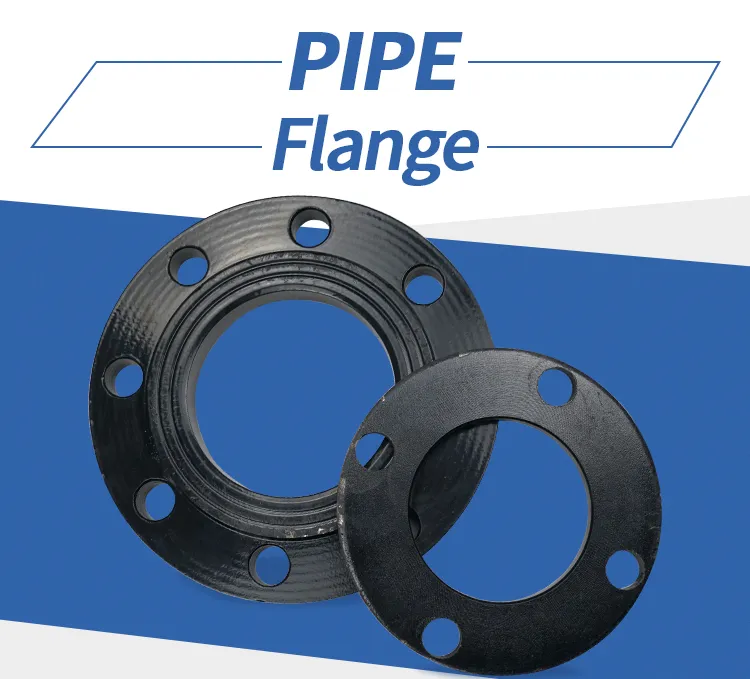
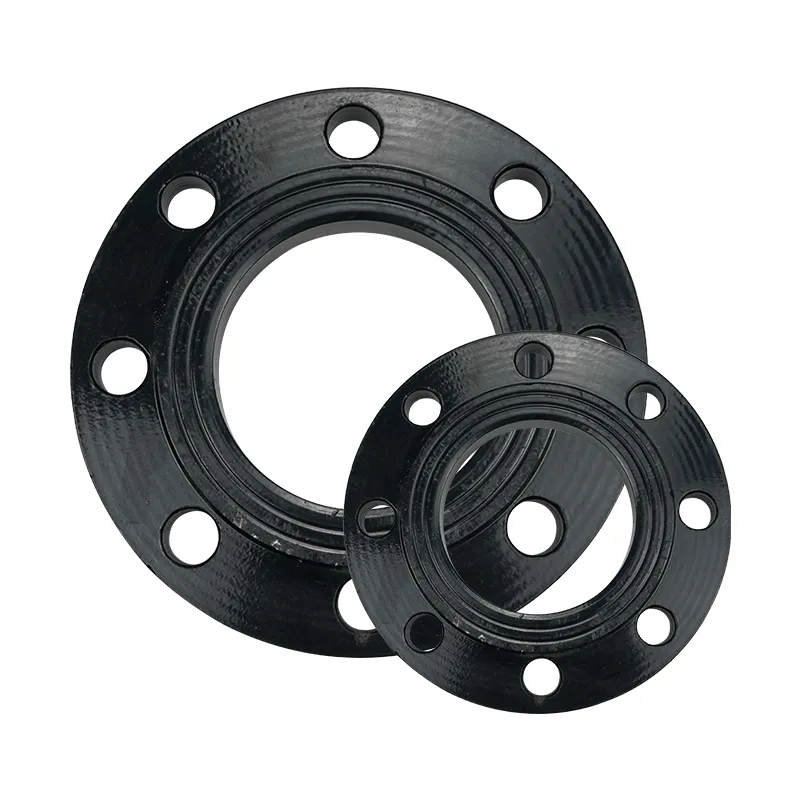
Cast iron flange pipe fittings are essential components in modern piping infrastructure, providing durable, leak-resistant connections for water supply, fire protection, industrial fluid handling, and wastewater systems. Their combination of mechanical strength, corrosion resistance, and fire integrity makes them indispensable across municipal and industrial projects globally. The global cast iron pipe fittings market reached USD 3.256 billion in 2025 and is projected to grow to USD 4.042 billion by 2030 at a CAGR of 4.42%, driven by infrastructure development and pipe network rehabilitation worldwide. This guide provides a precise, technically accurate overview of cast iron flange fittings—what they are, how they function, where they are applied, and how they compare against alternative materials.
What Are Cast Iron Flange Pipe Fittings?
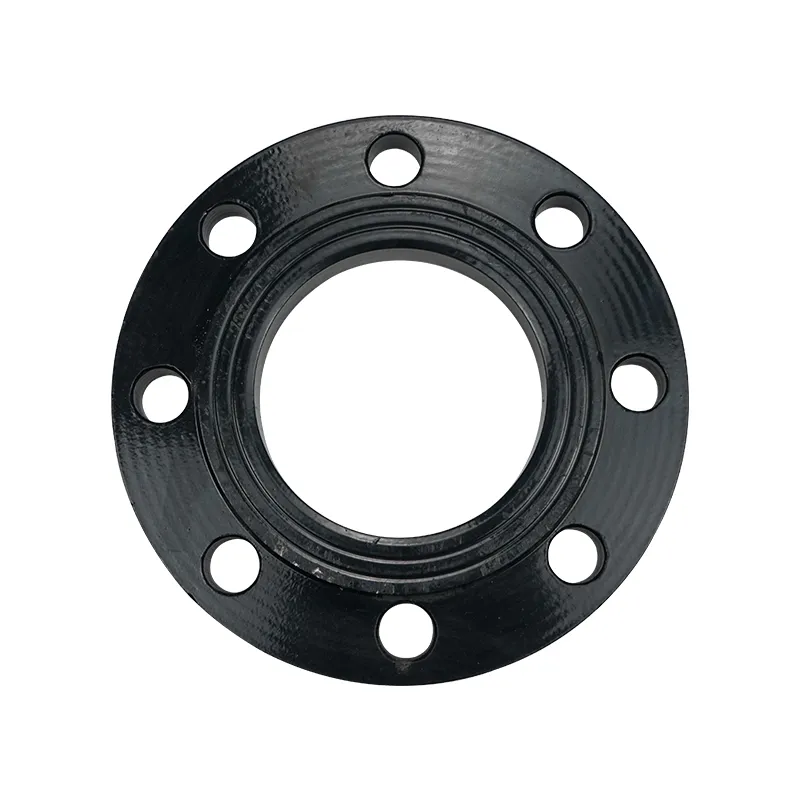
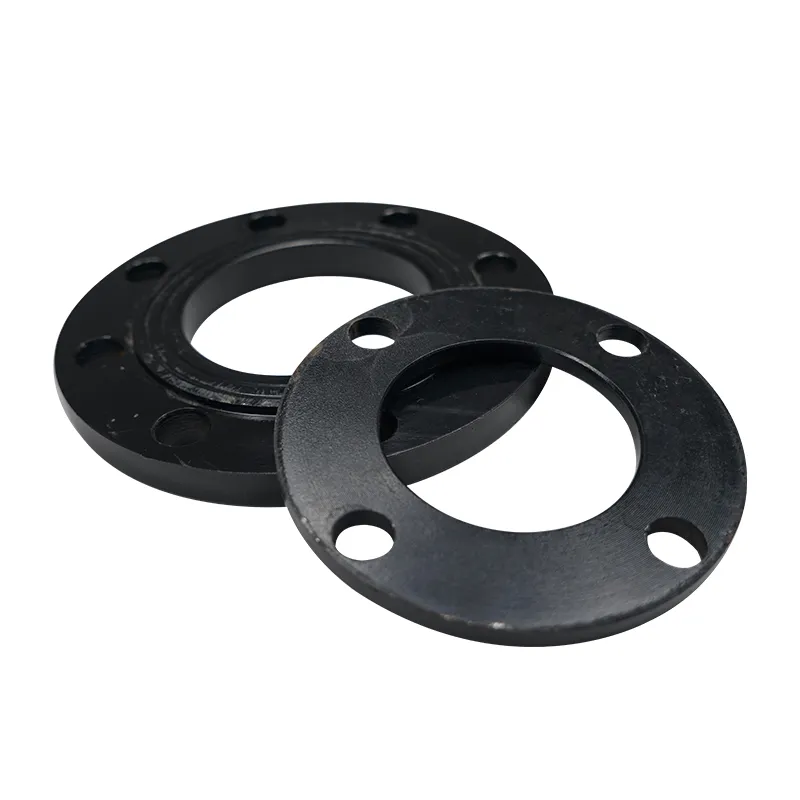
Cast iron flange pipe fittings are piping components manufactured from cast iron (gray iron) or ductile iron, designed with an integral flange at one or both ends for bolted connection to mating flanges in a pipeline system. Unlike threaded or push-fit connections, flange joints use bolts, nuts, and a gasket compressed between two flat flange faces to create a pressure-tight seal. This design enables secure assembly, straightforward disassembly for maintenance, and reliable performance under demanding conditions.
Material Grades
Two primary iron types are used in flange fitting production:
Gray Cast Iron (CI): The traditional material with graphite in flake form within the iron matrix. It exhibits tensile strength of approximately 180 MPa minimum and operates effectively under compressive loads, but its graphite flake microstructure makes it inherently brittle under tensile stress. Gray iron flanges are governed by ASME B16.1, which covers Classes 25, 125, and 250 for pressure-temperature ratings, dimensions, tolerances, bolting, gaskets, and pressure testing.
Ductile Iron (DI): A superior material where magnesium treatment converts graphite flakes into spheroidal nodules. This microstructural change delivers dramatically improved mechanical properties: tensile strength of 420 MPa minimum—more than double that of gray iron—with yield strength of 300 MPa minimum and elongation of 10% minimum. Ductile iron flanges are governed by ASME B16.42, covering Classes 150 and 300 with requirements for pressure-temperature ratings, materials, dimensions, tolerances, bolting, and gaskets.
The essential metallurgical difference is that graphite flakes in gray iron act as internal stress concentrators, propagating cracks under tensile loads and causing sudden brittle fracture. Ductile iron's spheroidal nodules eliminate these stress concentration paths, enabling the material to deform plastically before failure—bending rather than breaking.
Product Types and Specifications
Common flange fitting configurations include flanged elbows (90° and 45°), flanged tees (equal and reducing), flanged reducers (concentric and eccentric), flanged crosses, blind flanges, and flanged adaptors. Sizes range from DN 80 mm to DN 1,400 mm and larger, with manufacturing tolerances on flanged fitting working lengths held to ±10 mm as standard. Pressure ratings typically span PN 10 to PN 25 for gray iron and up to PN 64 for ductile iron. Key international standards include ISO 2531, EN 545, EN 598, AWWA C110/C153, and IS 14845 for the Indian market. Flange drilling patterns conform to multiple standards including ANSI/ASME B16.1, BS 4504, DIN 2501, and IS 6392.
Applications of flange pipe fittings
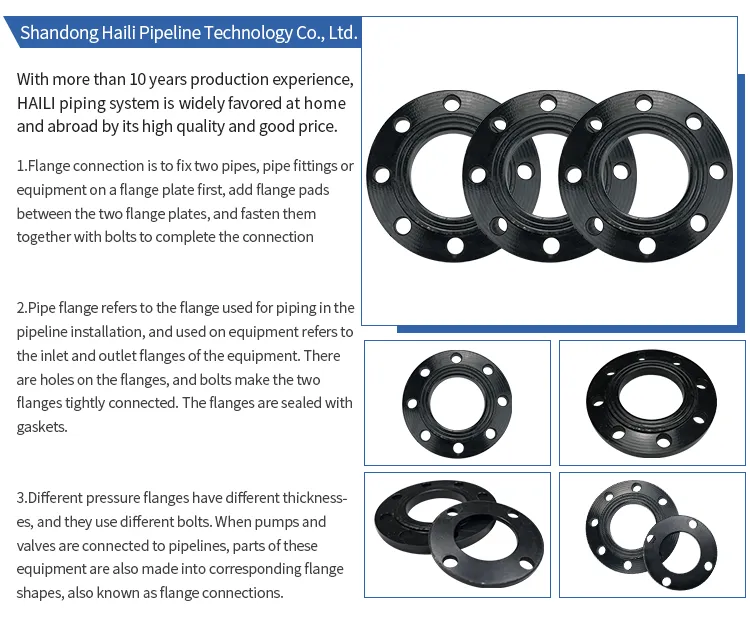
The part that connects the pipe to the pipe, cis connected to the pipe end. There are holes in the flanges, and bolts make the two flanges tightly connected. The flanges are sealed with gaskets. Flanged pipe fittings refer to pipe fittings with flanges (flanges or pans). It can be cast (not shown in the figure), or it can be threaded or welded. Flange connection (flange, joint) consists of a pair of flanges, a gasket, and several bolts and nuts. The gasket is placed between the sealing surfaces of the two flanges. After tightening the nut, the specific pressure on the surface of the gasket will deform when it reaches a certain value, and fill the unevenness on the sealing surface to make the connection tight and leak-proof. A flange connection is a detachable connection. According to the connected parts, it can be divided into a container flange and a pipe flange. According to the structure type, there are integral flanges, looper flanges, and threaded flanges. Common integral flanges include flat welding flanges and butt welding flanges. Flat welding flanges have poor rigidity and are suitable for occasions where the pressure is p≤4MPa; butt welding flanges, also known as high neck flanges, have higher rigidity and are suitable for occasions with high pressure and temperature. There are three types of flange sealing surfaces: flat sealing surface, suitable for occasions where the pressure is not high and the medium is non-toxic; concave-convex sealing surface, suitable for occasions with slightly higher pressure; tongue and groove sealing surface, suitable for flammable and explosive, toxic media and occasions with high pressure. A gasket is a ring made of a material that can produce plastic deformation and has a certain strength. Most of the gaskets are cut from non-metallic plates, or made by professional factories according to the specified size, and their materials are asbestos rubber sheets, asbestos sheets, polyethylene sheets, etc.; Metal-clad gaskets made of non-metallic materials such as wrapping; there is also a spiral wound gasket made of thin steel strips and asbestos strips. Ordinary rubber gaskets are suitable for occasions where the temperature is lower than 120 °C; asbestos rubber gaskets are suitable for occasions where the temperature of water vapor is lower than 450 °C, the temperature of the oil is lower than 350 °C, and the pressure is lower than 5MPa. The most commonly used medium is the acid-resistant asbestos board. In high-pressure equipment and pipelines, lens-type or other-shaped metal gaskets made of copper, aluminum, 10-gauge steel, and stainless steel are used. The contact width between the high-pressure gasket and the sealing surface is very narrow (line contact), and the processing finish of the sealing surface and the gasket is high.
Flanges are divided into threaded connection (wire connection) flanges, welding flanges, and ferrule flanges. The low-pressure small diameter has a wire flange and ferrule flange, and high pressure, and low-pressure large diameter use welded flange, the thickness of flanges and the diameter and number of connecting bolts are different for different pressures.
Flange connection
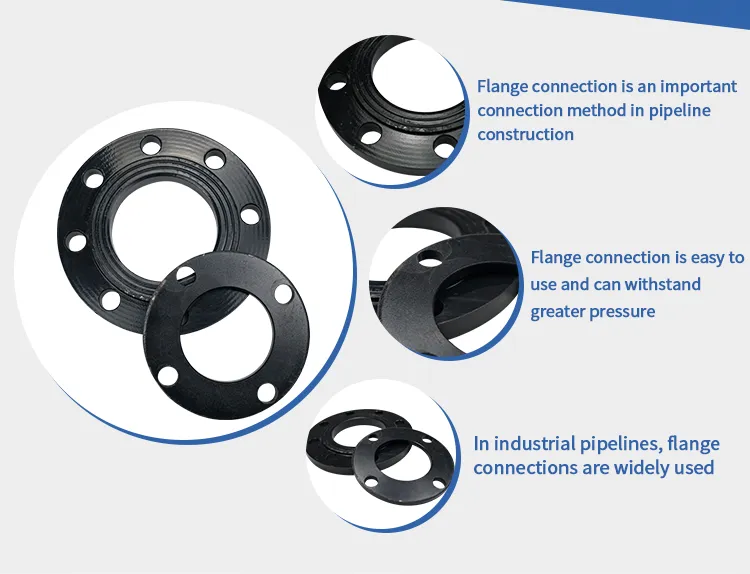
Flange connection is to fix two pipes, pipe fittings, or equipment on a flange first, add flange pads between the two flanges and fasten them together with bolts to complete the connection. Some pipe fittings and equipment already have their own flanges, which are also flanged connections. Flange connection is an important connection method in pipeline construction.
The flange connection is easy to use and can withstand greater pressure. In industrial pipelines, flange connections are widely used. In the home, the pipe diameter is small, it is low pressure, and the flange connection is not visible. If you are in a boiler room or production site, there are flanged pipes and equipment everywhere.
Connecting parts of Flange fitting
It consists of a pair of flanges, a gasket, and several bolts and nuts. The gasket is placed between the sealing surfaces of the two flanges. After tightening the nut, the specific pressure on the surface of the gasket will deform when it reaches a certain value, and fill the unevenness on the sealing surface to make the connection tight and leak-proof. A flange connection is a detachable connection. According to the connected parts, it can be divided into a container flange and a pipe flange

How Cast Iron Flange Fittings Work: Sealing Principles and Joint Design
The flange joint functions through controlled mechanical compression. A gasket is placed between two flat flange faces; bolts are inserted through aligned bolt holes around the flange periphery and tightened to a specified torque in a cross-pattern sequence. This bolt preload compresses the gasket material, which deforms to fill surface irregularities in the flange faces, creating a continuous barrier against fluid leakage.
Gasket Selection
Soft gaskets (non-metallic, compressed fiber, or elastomeric sheet materials) are the standard choice for cast iron flanges because they require low seating stress to achieve effective sealing. Unlike spiral wound or ring-type joint gaskets used on steel flanges with high bolt loads, soft gaskets compress readily under the moderate bolting forces that cast iron flanges can safely withstand. For rigid iron flange surfaces, anaerobic gasketing compounds such as LOCTITE 518 are also used, filling gaps up to 0.25 mm and forming flexible, chemical-resistant seals.
Pressure-Temperature Ratings
Flange joint performance is governed by the material's pressure-temperature rating. ASME B16.1 specifies that Class 125 gray iron flanges are rated for approximately 1.38 MPa (200 psi) at ambient temperatures, with ratings decreasing as temperature increases. Ductile iron Class 150 flanges provide higher working pressures across the temperature range. The system designer must match the flange class and gasket material to the specific fluid, operating pressure, and temperature conditions.
Installation Best Practices
Proper flange assembly requires clean, undamaged flange faces; correct gasket material and dimensions; lubricated bolt threads for accurate torque application; and progressive, cross-pattern bolt tightening to ensure even gasket compression. Re-torquing after initial pressurization and thermal cycling is standard practice. These procedures are critical because cast iron's lower ductility compared to steel means that uneven bolting can induce localized stresses and potential flange cracking.
Application Scenarios
Municipal Water Supply
Cast iron flange fittings are widely deployed in water transmission and distribution networks. In India, government programs including the Jal Jeevan Mission and AMRUT 2.0 have driven significant demand for ductile iron pipes and fittings. Welspun World recently inaugurated a new ductile iron pipe plant specifically to support Jal Shakti Abhiyan and Jal Jeevan Mission initiatives, supplying high-quality DI pipes and fittings for drinking water and sanitation projects across urban and rural regions. Similarly, the Vadodara Water Supply Improvement project involves laying ductile iron pipelines for safe and reliable water supply.
Fire Protection Systems
Cast iron and ductile iron fittings are fundamental to fire protection infrastructure. Their inherent fire resistance—cast iron does not burn, melt, or emit toxic fumes when exposed to flame—makes them the preferred material for sprinkler system risers, fire pump connections, and standpipe systems. Ductile iron grooved fittings with FM and UL certifications are used to connect hoses, pipes, and fittings in fire protection networks, enabling efficient water flow during emergencies. The material's fire integrity, combined with robust flange connections that will not fail under fire conditions, ensures reliable system performance when it matters most.
Building Drainage, Waste, and Vent (DWV) Systems
In high-rise construction, cast iron soil pipes and flange fittings provide superior acoustic performance and fire resistance. Cast iron fittings ensure secure, watertight transitions and directional changes throughout the drainage stack while maintaining flow characteristics and fire integrity. Modern cast iron DWV products can weigh up to 15% less than standard ranges while meeting European standard EN 877 for fire protection and acoustic performance. For gravity drainage systems handling soil, waste, ventilation, and rainwater, hubless cast iron pipes and fittings deliver the required strength, installation efficiency, and noise reduction.
Industrial Fluid Handling
In chemical processing, power generation, and manufacturing facilities, ductile iron flange fittings transport process water, cooling water, and various chemical solutions. Ductile iron retains the inherent corrosion resistance of cast iron while providing dramatically higher tensile strength—420 MPa minimum compared to cast iron's 180 MPa minimum. This combination makes DI fittings suitable for demanding industrial environments where both mechanical loads and corrosive media are present.
Wastewater and Sewerage
Municipal sewerage systems employ cast iron flange fittings for their durability in buried and exposed service. The material's corrosion resistance handles aggressive sewer gases and effluent, while the rigidity of flange joints maintains pipeline alignment under soil loads and traffic surcharge. Major Indian manufacturers such as Electrosteel Castings Limited produce DI pipes, fittings, flange pipes, and restrained joint pipes adhering to international quality standards for water infrastructure applications. Companies like B4 Castings supply DI/CI flanged sockets, ductile cast iron flange bell mouths conforming to ISO 2531 for water supply, and products for industrial applications.
Competitive Analysis
Cast Iron vs. Ductile Iron
The most important differentiation within iron-based flange fittings is between gray cast iron and ductile iron:
| Property | Gray Cast Iron | Ductile Iron |
|---|---|---|
| Tensile Strength | 180 MPa min. | 420 MPa min. |
| Yield Strength | Not defined (brittle) | 300 MPa min. |
| Elongation | <1% | 10% min. |
| Failure Mode | Brittle fracture | Ductile deformation |
| Pressure Rating | Up to 10 bar typical | Up to 64 bar |
| Wall Thickness (DN 300) | 11–14 mm | 6–8 mm |
| Weight (DN 300, 6m) | ~450 kg | ~290 kg |
Ductile iron has almost entirely replaced gray cast iron for pressurized applications since the 1960s. Gray cast iron remains in service for soil, waste, and vent piping in buildings (ASTM A74), non-pressure drainage, and legacy installations undergoing maintenance rather than replacement. For all new pressurized water, sewage, and industrial piping, ductile iron is the standard material.
The performance difference is decisive in real-world conditions: ductile iron pipe can flex under ground settlement without cracking, survives impact loads during installation and transport, absorbs water hammer and transient pressures, and accommodates seismic movement through flexible joints. Gray cast iron, by contrast, cracks at rigid joints under settlement, fractures under pressure surge, shatters on impact, and experiences catastrophic failure during earthquakes.
Cast Iron vs. Carbon Steel Flange Fittings
Carbon steel flange fittings (ASTM A105, A234) offer higher tensile strength (typically 485–620 MPa) and superior high-temperature performance. They are the standard choice for high-pressure hydrocarbon service, steam systems, and process piping above 200 °C. However, carbon steel requires continuous corrosion protection—painting, coating, or cathodic protection—and is significantly more expensive than cast iron for equivalent sizes. Cast iron and ductile iron provide adequate strength for water, wastewater, and low-pressure industrial service at lower material cost, with inherent corrosion resistance that eliminates painting requirements for buried service.
Cast Iron vs. HDPE Flange Adaptors
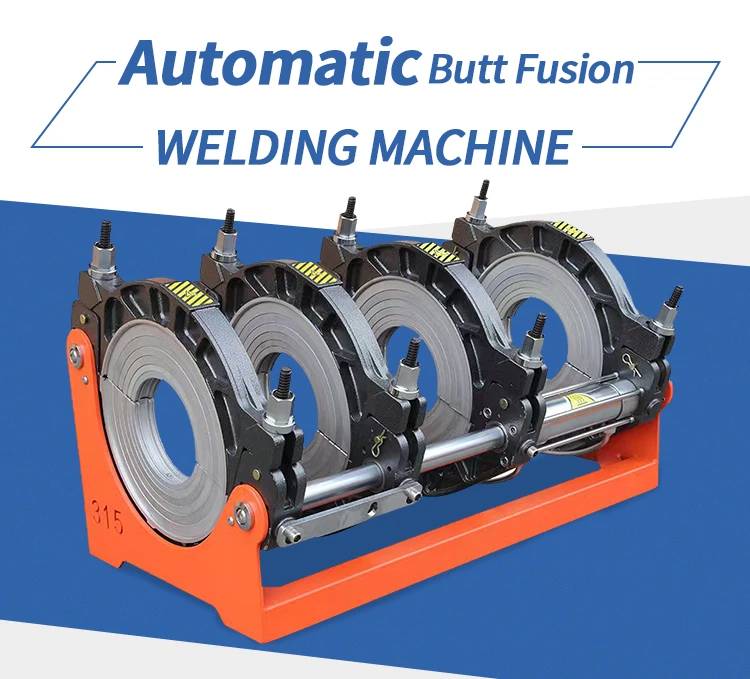
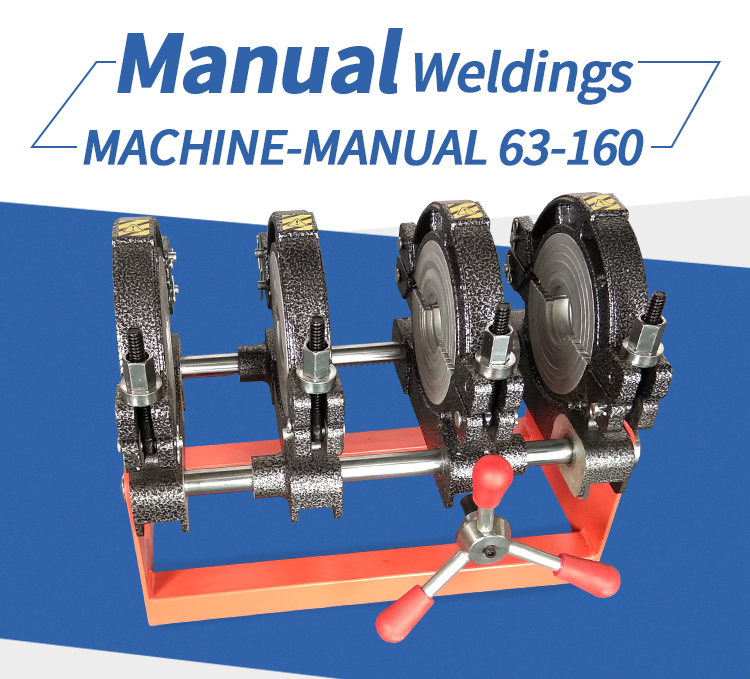
HDPE piping systems use HDPE stub ends with metallic backing flanges (flange adaptors) to create bolted connections. HDPE offers superior chemical resistance and flexibility, with fusion-welded joints that eliminate leak paths. However, HDPE flange adaptors are limited to approximately 60 °C maximum operating temperature, require careful flange alignment during assembly, and cannot match the rigidity and fire resistance of cast iron. Cast iron flanges are preferred for fire protection systems, high-temperature drainage, and applications where mechanical strength and dimensional stability under load are critical.
Major Manufacturers and Suppliers
The global cast iron flange fittings market features established international manufacturers and regional suppliers:
Electrosteel Castings Limited (India): A leading pipeline solution provider specializing in DI pipes and fittings for water infrastructure, with products conforming to international quality standards.
Jayaswal Neco Industries Limited (India): Manufacturer of hubless cast iron pipes and fittings for gravity drainage systems in soil, waste, ventilation, and rainwater applications.
Supra Enterprise (India): Offers cast iron fittings in sizes from DN 80 mm to 1,400 mm in socket spigot and flanged configurations for sewerage, sanitary, and industrial uses.
Amogh Shakti Casting Co. (India): Supplies DI and CI valves, cast iron flanges, manhole frames, and pipe fittings.
International suppliers from China, Europe, and the USA provide EN 545, EN 598, AWWA C110/C153, and EN 12842-compliant ductile iron fittings with both socket and flange ends.
The Asia-Pacific region accounts for 38.77% of global cast iron pipe fittings production, with China and India as the core growth drivers. China represents 35% of global market share with over 15 million tons of annual production, while India's urbanization and water infrastructure programs generate rapidly growing demand.
Procurement Considerations
When selecting cast iron flange fittings, engineers and procurement professionals should evaluate:
Material Grade: Ductile iron (DI) is the standard choice for all pressurized applications. Gray iron is acceptable only for non-pressure DWV systems and legacy replacements.
Standards Compliance: Verify conformance to applicable standards—ASME B16.1 or B16.42 for dimensional and pressure ratings, ISO 2531 or EN 545 for water applications, EN 598 for sewerage, and AWWA C110/C153 for North American water works practice. In India, IS 14845 and IS 6392 provide relevant specifications.
Pressure Class: Match the flange pressure class (Class 125, 150, 250, or 300) to system operating pressure with appropriate safety margin, accounting for pressure-temperature derating.
Flange Drilling: Confirm that flange drilling patterns (bolt circle diameter, number and size of bolt holes) match the mating flanges in the system. Mismatched drilling is a common and costly installation error.
Coating and Lining: For buried or corrosive service, specify internal cement mortar lining and external zinc-based coating with bituminous or epoxy topcoat per relevant standards to ensure long service life.
Gasket Compatibility: Select gasket material compatible with the fluid medium, operating temperature, and flange pressure class. Soft gaskets (non-asbestos fiber, EPDM, nitrile) are standard for cast iron flanges.
Supplier Capability: Verify that the manufacturer can provide material test certificates, pressure test reports, and third-party inspection documentation. For custom requirements—non-standard angles, specialized coatings, or OEM branding—confirm engineering and production capabilities before order placement.
Conclusion
Cast iron flange pipe fittings—particularly ductile iron variants—remain a cornerstone of reliable piping infrastructure worldwide. Their combination of mechanical strength, corrosion resistance, fire integrity, and acoustic performance addresses requirements that alternative materials cannot match simultaneously. With the global market growing steadily at 4.42% CAGR and demand concentrated in the water, wastewater, fire protection, and industrial sectors, cast iron flange fittings will continue to be specified for projects where durability, safety, and life-cycle value are paramount. For engineers and procurement professionals, understanding the material distinctions between gray and ductile iron, the applicable standards framework, and proper joint design principles is essential to making informed, technically sound fitting selections.
260.webp)
272.webp)
916.webp)
204.webp)
659.webp)
185.webp)