272.webp)
431.webp)
398.webp)
829.webp)
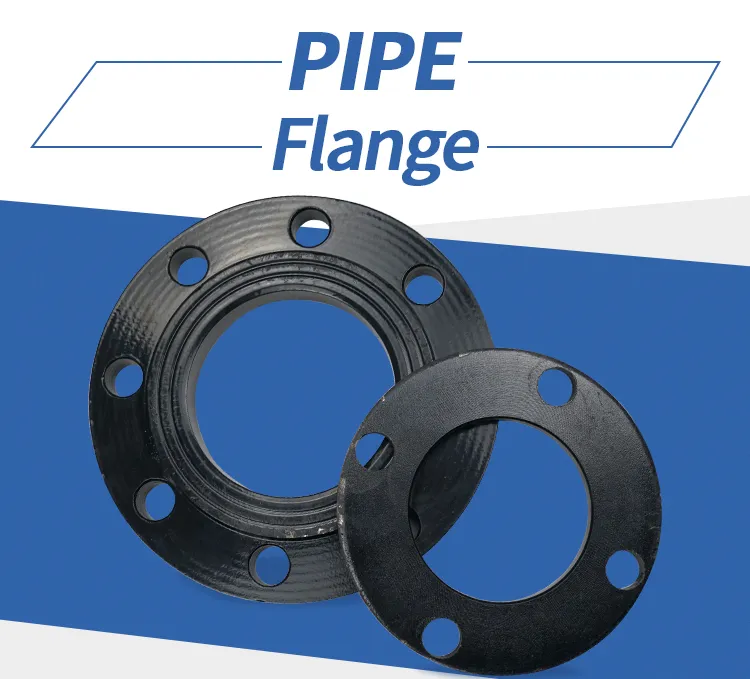
The HDPE pipe flange adaptor, also known as a PE stub end or HDPE flange adapter, is a critical component in modern thermoplastic piping systems. It is specifically designed to create a transition connection between HDPE pipelines and flanged equipment, such as valves, pumps, filters, and steel piping systems.
By combining butt fusion technology with a bolted flange interface, this fitting ensures both permanent sealing performance and easy system disassembly when maintenance or expansion is required.
In modern infrastructure—especially water supply, gas distribution, irrigation, and industrial piping—the HDPE flange adaptor plays an essential engineering role in ensuring system reliability and long-term serviceability.
What Is an HDPE Flange Adaptor?
An HDPE flange adaptor is a specially molded or fabricated polyethylene fitting made from PE100 or PE80 material. It consists of two functional sections:
Spigot end (plain end): Designed for butt fusion welding with HDPE pipe
Flanged stub end: Designed to connect with a loose steel or plastic backing ring and gasket system
This structure enables HDPE pipelines to be connected to standard flange systems used in mechanical equipment and non-plastic piping networks.
The design complies with international standards such as:
ISO 4427 (water supply systems)
ISO 4437 (gas distribution systems)
ISO 9624 (flange adaptor dimensions)
ISO 21307 (butt fusion procedures)
Technical Specifications of HDPE Flange Adaptors
HDPE flange adaptors are available in a wide range of sizes and pressure ratings depending on application requirements.
Typical Specifications
| Parameter | Description |
|---|---|
| Material | PE100 / PE80 |
| Size Range | DN 50 – DN 1200+ |
| SDR Ratings | SDR 11 / SDR 17 |
| Pressure Rating | PN 10 – PN 16 |
| Temperature Range | -20°C to +60°C |
| Connection Type | Butt fusion + flanged joint |
| Manufacturing | Injection molded / fabricated |
Backing Ring Materials
Galvanized carbon steel (standard use)
Stainless steel 304/316 (corrosive environments)
Product Types: Flange Adaptor vs Stub End
Although often used interchangeably, there is a technical distinction:
Flange Adaptor
Longer spigot section
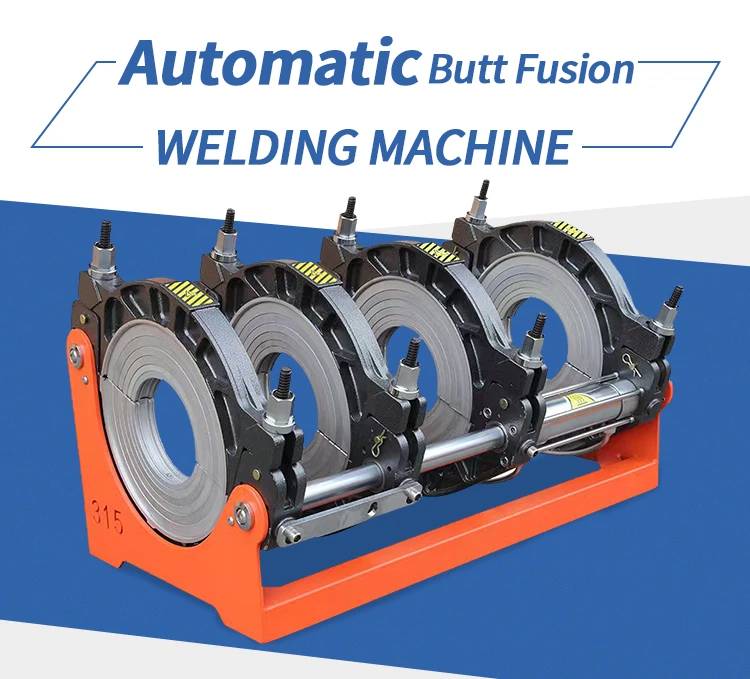
Can be directly clamped into butt fusion machine
Easier installation in field welding
Stub End
Shorter spigot
Requires additional handling or coupling
Often used in confined installations
Both serve the same purpose: enabling a flanged connection on HDPE pipelines.
Working Principle of HDPE Flange Adaptor
The operation of an HDPE flange adaptor relies on two core engineering principles:
1. Butt Fusion Welding (Permanent Joint Formation)
The spigot end is welded to the HDPE pipe using a heated plate at:
210∘C±10∘C210 ^circ C pm 10 ^circ C210∘C±10∘C
At this temperature range, the HDPE material softens and forms a molten interface. Under controlled pressure, polymer chains diffuse across the joint boundary, creating a homogeneous, leak-free molecular bond.
2. Bolted Flange Connection (Mechanical Interface)
On the flange side:
A loose backing ring is installed
A gasket (EPDM, NBR, or PTFE) is inserted
Bolts are tightened in a cross pattern
This compresses the gasket evenly, forming a reliable sealing system between HDPE and external equipment.
Step-by-Step Installation Process
Step 1: Pipe Preparation
Ensure pipe and fitting surfaces are clean, dry, and free from oxidation.
Step 2: Facing and Alignment
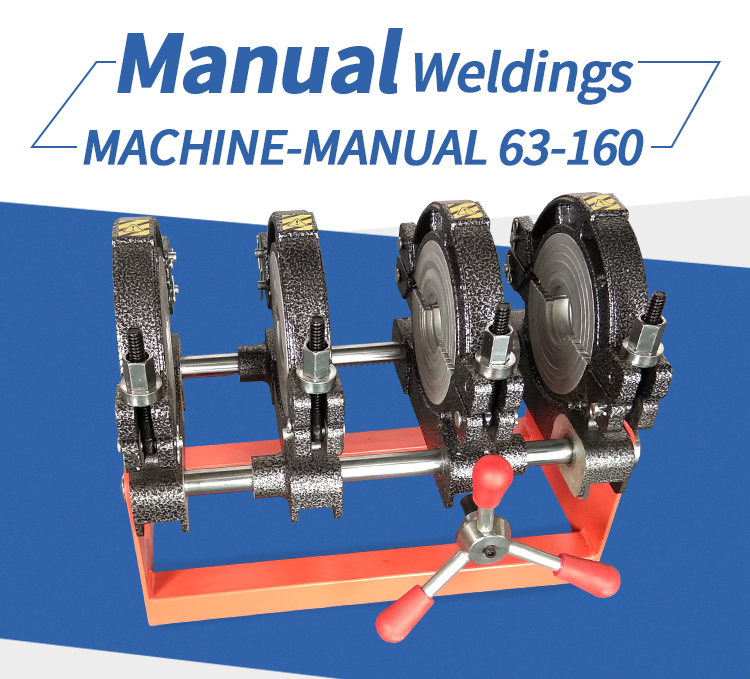
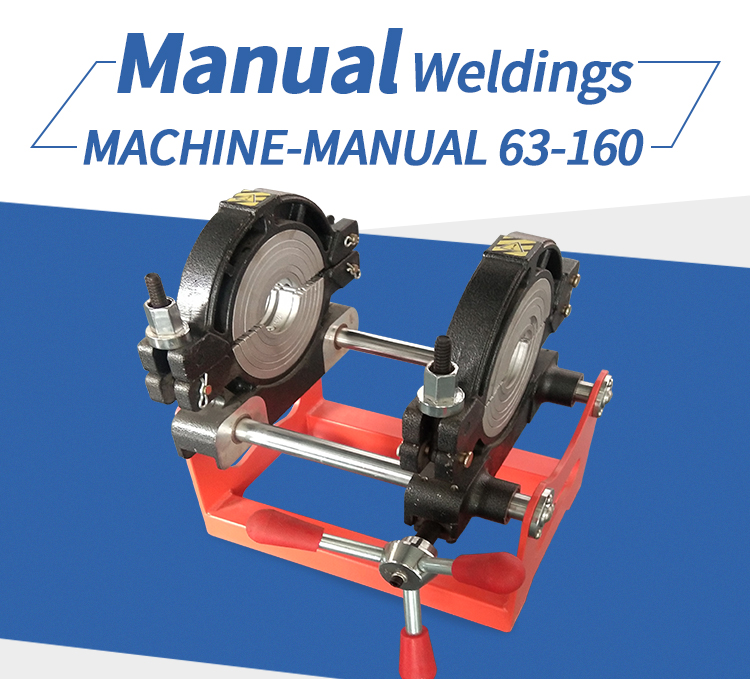
Use a butt fusion machine to create perfectly parallel welding surfaces.
Step 3: Heating Stage
Insert heating plate at controlled temperature and apply bead-up pressure.
Step 4: Fusion
Remove heating plate and join molten surfaces under controlled pressure.
Step 5: Cooling
Maintain pressure until the joint fully solidifies.
Step 6: Flange Assembly
Install backing ring, gasket, and tighten bolts in a cross sequence.
Sealing Mechanism Explained
The sealing system consists of two independent functions:
Fusion weld (pipe side): Provides permanent structural integrity
Flange joint (equipment side): Provides removable mechanical sealing
The gasket is compressed between the flange adaptor face and mating flange, ensuring leak-proof operation even under pressure fluctuations.
Application Areas of HDPE Flange Adaptors
HDPE flange adaptors are widely used across infrastructure sectors:
1. Municipal Water Supply Systems
Used in pump stations, treatment plants, and distribution networks.
2. Natural Gas Distribution
Used in transition points between buried HDPE pipelines and above-ground valve stations.
3. Agricultural Irrigation
Used in pump houses, filtration systems, and fertigation units.
4. Industrial Fluid Transport
Used in chemical plants, mining pipelines, and cooling systems.
5. Wastewater Treatment Systems
Used in sewage pumping stations and treatment facilities.
Market Context (India and Global Growth)
The HDPE pipe and fitting market is expanding rapidly due to infrastructure development.
Market size expected to grow from USD 806.99 million (FY2025)
To USD 1,261.68 million (FY2033)
CAGR: 5.75%
Growth drivers include:
Urban water supply expansion
Irrigation modernization programs
Gas distribution networks
Industrial infrastructure investment
HDPE flange adaptors are a core component in these systems, especially where flexible maintenance access is required.
Competitive Analysis
1. HDPE Butt Fusion Flange Adaptor vs Mechanical Flange Adaptor
| Feature | Butt Fusion Adaptor | Mechanical Adaptor |
|---|---|---|
| Pipe connection | Fusion weld | Compression coupling |
| Leak risk | Very low | Medium |
| Stiffener needed | No | Yes |
| Installation | Requires welding machine | Simple mechanical fitting |
| Long-term durability | High | Moderate |
Fusion adaptors are preferred for permanent, high-pressure systems.
2. HDPE vs Ductile Iron Flange Adaptor
| Feature | HDPE Adaptor | Ductile Iron Adaptor |
|---|---|---|
| Corrosion resistance | Excellent | Coating-dependent |
| Weight | Light | Heavy |
| Strength | Moderate | High |
| Installation cost | Lower | Higher |
HDPE performs better in corrosive environments, while ductile iron excels in high-load conditions.
3. Butt Fusion vs Electrofusion Adaptors
| Feature | Butt Fusion | Electrofusion |
|---|---|---|
| Equipment | Large welding machine | Compact control unit |
| Cost | Lower | Higher |
| Diameter range | Large pipes | Small to medium pipes |
| Installation space | Requires space | Suitable for confined areas |
Advantages of HDPE Flange Adaptors
Long service life (50+ years)
Excellent corrosion resistance
Leak-free molecular bonding
Easy maintenance via flange disassembly
High compatibility with global flange standards
Lightweight and cost-effective
Key Procurement Considerations
When selecting HDPE flange adaptors, engineers should consider:
PE100 virgin material certification
SDR compatibility with pipeline
Correct flange drilling standard (ANSI / DIN / BS / ISO)
Backing ring material selection
Operator qualification for fusion welding
Third-party inspection for large projects
Conclusion
The HDPE pipe flange adaptor (stub end) is a vital engineering solution that bridges the gap between permanent HDPE pipeline systems and serviceable flange-based equipment connections.
Its combination of butt fusion integrity and mechanical flange flexibility makes it indispensable in modern infrastructure systems such as water supply, gas distribution, irrigation, and industrial processing.
With increasing global demand for durable, corrosion-resistant piping systems, HDPE flange adaptors continue to play a central role in building reliable and long-lasting pipeline networks.
260.webp)
916.webp)
204.webp)
659.webp)
185.webp)