472.webp)
105.webp)
647.webp)
687.webp)
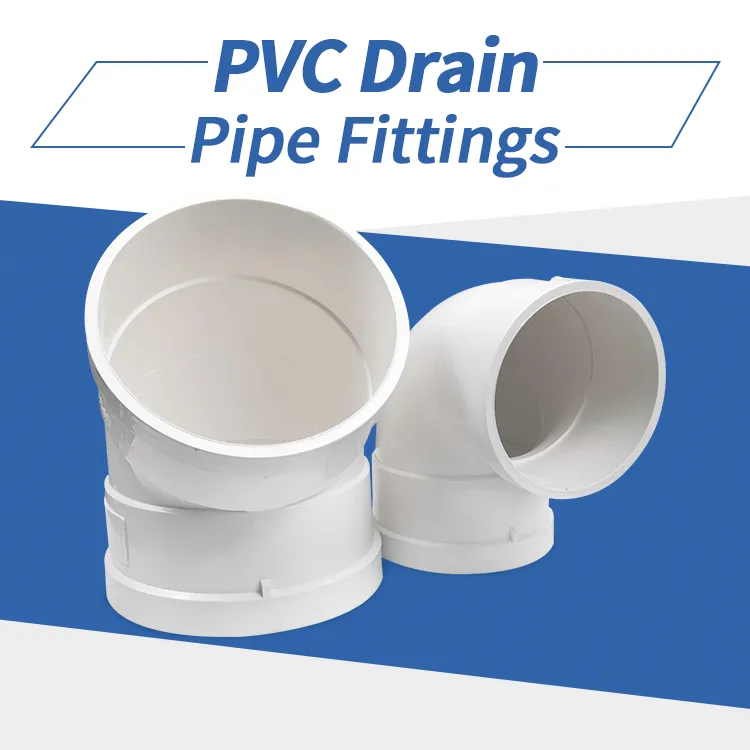
In modern plumbing and drainage systems, pipe fittings are just as important as the pipes themselves. They determine how efficiently wastewater flows, how easily systems are installed, and how reliable the entire network remains over time. Among the most widely used fittings in residential, commercial, and industrial drainage systems is the PVC DWV Straight Tee Pipe Fitting.
Designed specifically for Drain, Waste, and Vent (DWV) applications, a PVC DWV Straight Tee provides a simple and effective method of connecting branch pipes to a main drainage line. Its lightweight construction, corrosion resistance, affordability, and ease of installation have made it one of the most commonly specified fittings in modern construction projects worldwide.
This comprehensive guide explains what PVC DWV Straight Tee Pipe Fittings are, their specifications, applications, manufacturing process, advantages, and how they compare with alternative fitting materials.
What Is a PVC DWV Straight Tee Pipe Fitting?
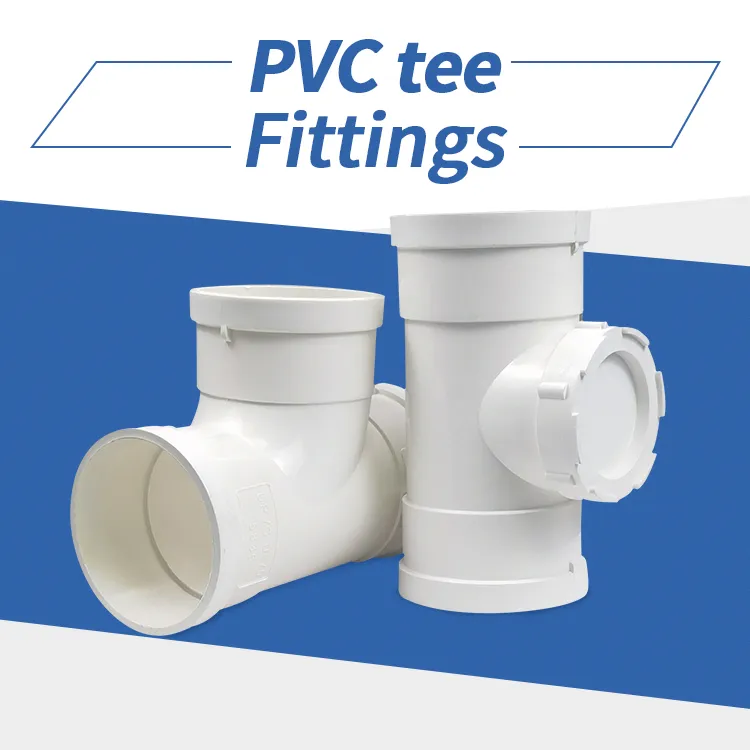
A PVC DWV Straight Tee Pipe Fitting is a three-way connector used in Drain, Waste, and Vent systems. The fitting features three openings of the same diameter arranged in a "T" configuration, allowing one branch line to connect directly to a main pipeline.
The term DWV stands for:
Drain – Transporting wastewater away from fixtures
Waste – Carrying used water and sewage
Vent – Allowing air circulation within the plumbing system
Unlike pressure pipe fittings used for water supply, DWV fittings are specifically designed for gravity-flow drainage applications.
A PVC DWV Straight Tee is commonly used to:
Connect branch drain lines
Join vent pipes
Integrate multiple fixtures into a drainage system
Extend plumbing networks
Create vertical and horizontal pipe intersections
Because all three openings typically have the same diameter, it is referred to as a "Straight Tee."
Understanding PVC DWV Material
PVC (Polyvinyl Chloride) is one of the most widely used thermoplastics in the plumbing industry.
For DWV applications, PVC offers several important benefits:
Lightweight construction
Excellent chemical resistance
Corrosion-free operation
Smooth internal surfaces
Long service life
Cost-effective installation
PVC DWV systems have become the preferred choice for many builders because they combine performance with affordability.
Product Specifications
Standard Specification Table
| Parameter | Specification |
|---|---|
| Product Name | PVC DWV Straight Tee |
| Material | PVC / U-PVC |
| Type | Equal Tee |
| Connection Style | Socket Joint |
| Color | White, Gray |
| Diameter Range | 32mm–315mm |
| Common Sizes | 50mm, 75mm, 90mm, 110mm, 160mm |
| Application | Drain, Waste, Vent Systems |
| Installation Method | Solvent Cement |
| Pressure Rating | Non-Pressure Drainage |
| Service Life | 30–50 Years |
| Operating Temperature | 0°C to 60°C |
| Standards | ASTM D2665, ASTM D2729, ISO, DIN |
Common DWV Tee Sizes
| Size | Typical Application |
|---|---|
| 50mm | Sink Drainage |
| 75mm | Floor Drains |
| 90mm | Branch Waste Lines |
| 110mm | Toilet Drainage |
| 160mm | Main Building Drains |
| 200mm+ | Commercial Drainage Systems |
Key Features of PVC DWV Straight Tee Fittings
Efficient Branch Connections
The primary purpose of a straight tee is to create a branch connection in a drainage system.
Benefits include:
Simplified pipe layouts
Reduced installation complexity
Easy expansion of plumbing systems
Corrosion Resistance
PVC is highly resistant to:
Wastewater chemicals
Household cleaning products
Moisture exposure
Soil corrosion
Unlike metal fittings, PVC does not rust over time.
Smooth Internal Surface
The interior surface of PVC fittings remains smooth throughout their service life.
Advantages include:
Reduced flow resistance
Improved drainage performance
Lower risk of blockages
Enhanced self-cleaning characteristics
Lightweight Construction
PVC tees weigh significantly less than:
Cast iron fittings
Steel fittings
Concrete drainage components
This reduces transportation and installation costs.
Long-Term Durability
High-quality PVC DWV fittings can provide:
30–50 years of service life
Minimal maintenance
Consistent performance
Applications of PVC DWV Straight Tee Pipe Fittings
Residential Plumbing Systems
PVC DWV tees are extensively used in:
Single-family homes
Apartments
Condominiums
Residential renovations
Typical applications include connecting:
Bathroom drains
Kitchen sinks
Laundry systems
Toilet waste lines
Commercial Buildings
Commercial facilities rely on PVC DWV fittings for:
Hotels
Restaurants
Office buildings
Shopping centers
The fittings allow multiple drainage branches to connect efficiently to central pipelines.
Educational Facilities
Schools and universities often utilize PVC DWV systems because they offer:
Low installation costs
Reliable performance
Long service life
Healthcare Buildings
Hospitals and clinics use PVC drainage systems due to their:
Corrosion resistance
Chemical resistance
Easy maintenance
Industrial Facilities
Industrial buildings may use PVC DWV fittings for:
Sanitary wastewater
Process drainage
Equipment waste discharge
Advantages of DWV Straight Tee Designs
Compared with alternative branch fittings, straight tees offer several benefits.
Simple Installation
The design allows installers to:
Connect branch lines quickly
Minimize fitting inventory
Simplify system layouts
Cost Efficiency
Using a straight tee often reduces:
Material requirements
Labor costs
Installation time
Easy Maintenance
Straight tee configurations make future maintenance and modifications easier.
Compatibility
PVC DWV tees are compatible with standard PVC drainage systems worldwide.
How PVC DWV Straight Tee Pipe Fittings Are Manufactured
The manufacturing process significantly influences fitting quality and reliability.
Step 1: Raw Material Selection
Manufacturers begin with premium PVC resin.
Additives may include:
Stabilizers
Impact modifiers
Processing aids
Color pigments
These materials enhance strength and durability.
Step 2: Material Mixing
The PVC formulation is blended using high-speed mixers to achieve:
Uniform composition
Consistent performance
Stable mechanical properties
Step 3: Injection Molding
Most PVC DWV tees are manufactured using injection molding.
The process involves:
Heating PVC compound
Melting the material
Injecting molten PVC into precision molds
Controlled cooling
Part removal
Advanced molding systems ensure dimensional accuracy.
Step 4: Cooling Process
Controlled cooling prevents:
Distortion
Shrinkage
Surface defects
Proper cooling is essential for maintaining fitting integrity.
Step 5: Finishing Operations
After molding:
Excess material is trimmed
Socket dimensions are verified
Surface quality is inspected
This ensures reliable installation performance.
Step 6: Quality Inspection
Every production batch undergoes rigorous testing, including:
Dimensional verification
Impact testing
Appearance inspection
Socket fit testing
Material analysis
Only approved products proceed to packaging.
Installation Process
Pipe Preparation
Before installation:
Cut pipes squarely
Remove burrs
Clean all surfaces
Dry Fitting
Test-fit all components before applying adhesive.
Solvent Cement Application
Apply PVC solvent cement to:
Pipe exterior
Fitting socket interior
Assembly
Insert the pipe fully into the socket and rotate slightly for uniform adhesive distribution.
Curing
Allow adequate curing time before system operation.
Proper curing ensures leak-free joints.
Competitive Comparison
PVC DWV Straight Tee vs Cast Iron Tee
| Feature | PVC DWV Tee | Cast Iron Tee |
|---|---|---|
| Weight | Lightweight | Heavy |
| Corrosion Resistance | Excellent | Moderate |
| Installation Cost | Low | High |
| Transportation Cost | Low | High |
| Maintenance | Low | Moderate |
| Service Life | 30–50 Years | 30–50 Years |
Winner: PVC for most residential and commercial projects.
PVC DWV Straight Tee vs HDPE Tee
| Feature | PVC | HDPE |
|---|---|---|
| Material Cost | Lower | Higher |
| Installation | Solvent Cement | Fusion Welding |
| Rigidity | Higher | Lower |
| Flexibility | Moderate | Excellent |
| Drainage Performance | Excellent | Excellent |
Winner: PVC for cost-effective DWV systems.
PVC DWV Straight Tee vs ABS Tee
| Feature | PVC | ABS |
|---|---|---|
| Cost | Lower | |
| Availability | Excellent | |
| Chemical Resistance | Excellent | |
| UV Resistance | Better | |
| Installation Familiarity | Higher |
Winner: PVC in most global markets.
Why Contractors Prefer PVC DWV Straight Tees
Professional plumbers and contractors favor PVC DWV fittings because they offer:
Lower Project Costs
Benefits include:
Affordable material pricing
Reduced labor requirements
Minimal equipment needs
Faster Installation
Lightweight components improve installation speed and productivity.
Reliable Long-Term Performance
PVC systems provide:
Leak-resistant joints
Corrosion-free operation
Long service life
Global Standard Compliance
Quality PVC DWV fittings comply with:
ASTM D2665
ASTM D2729
ISO standards
DIN standards
National plumbing codes
How to Choose a High-Quality PVC DWV Straight Tee
When selecting DWV fittings, consider the following:
Material Quality
Choose fittings manufactured from virgin PVC resin for maximum durability.
Dimensional Accuracy
Precision dimensions improve:
Installation efficiency
Joint quality
System reliability
Smooth Internal Finish
A smooth interior promotes efficient drainage and reduces blockage risks.
Standard Compliance
Verify compliance with recognized plumbing standards.
Manufacturer Reputation
Established manufacturers typically provide:
Better quality control
Technical support
Consistent product performance
Conclusion
The PVC DWV Straight Tee Pipe Fitting is an essential component of modern Drain, Waste, and Vent systems. Designed to create efficient branch connections within gravity-flow drainage networks, it offers outstanding corrosion resistance, smooth flow characteristics, lightweight handling, and cost-effective installation.
Compared with cast iron, HDPE, and ABS alternatives, PVC DWV Straight Tees deliver an excellent balance of affordability, durability, and ease of use. Whether installed in residential homes, apartment buildings, commercial facilities, schools, hospitals, or industrial projects, these fittings provide dependable long-term performance and remain one of the most widely used drainage solutions in the global plumbing industry.
916.webp)
204.webp)
659.webp)
185.webp)